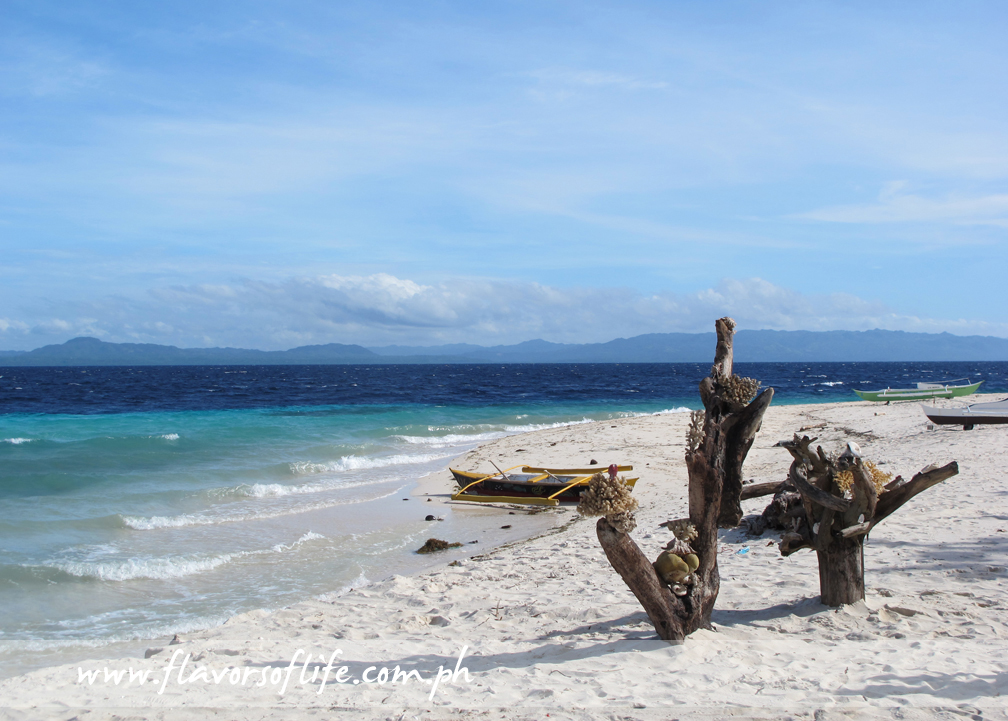
WITHIN the 9.3-hectare property of South Palms Resort Panglao on Panglao Island, Bohol, there’s already a lot of things to do and activities to enjoy. The longest stretch of white-sand beach on the island – all 700 meters – beckons, and so does the crystalline blue-green waters of the sea. You can go swimming, boating, diving or snorkeling, or you can go further out to sea and explore the beautiful islands, islets and sand bars in the area. You can go whale shark watching or dolphin watching around Pamilacan Island or the Oslob-Sumilon area which is technically already part of Cebu.
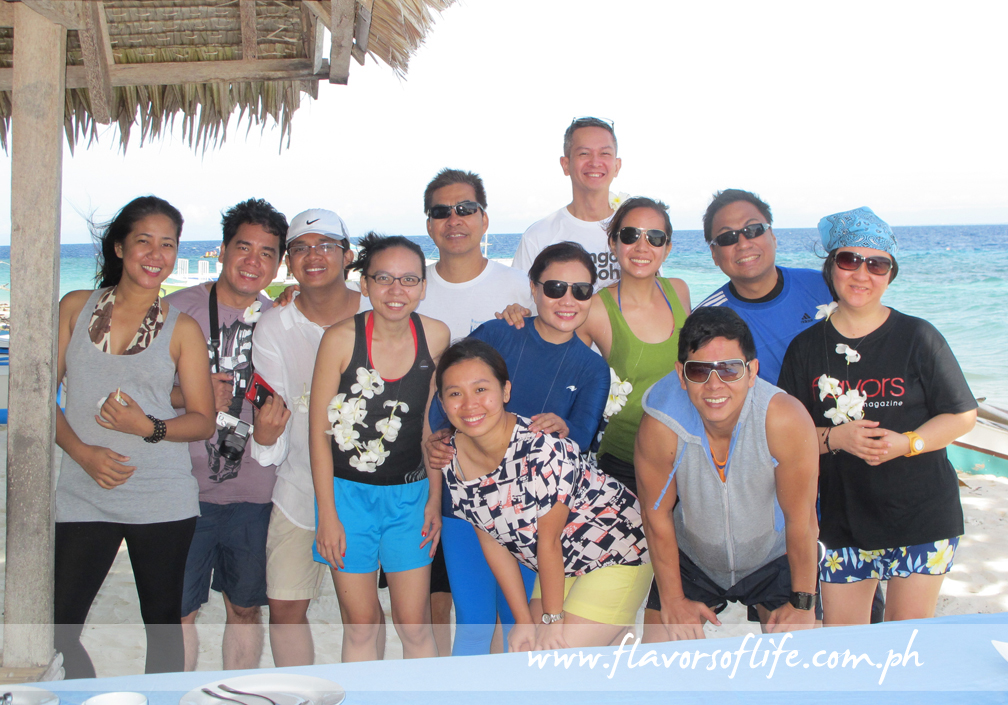
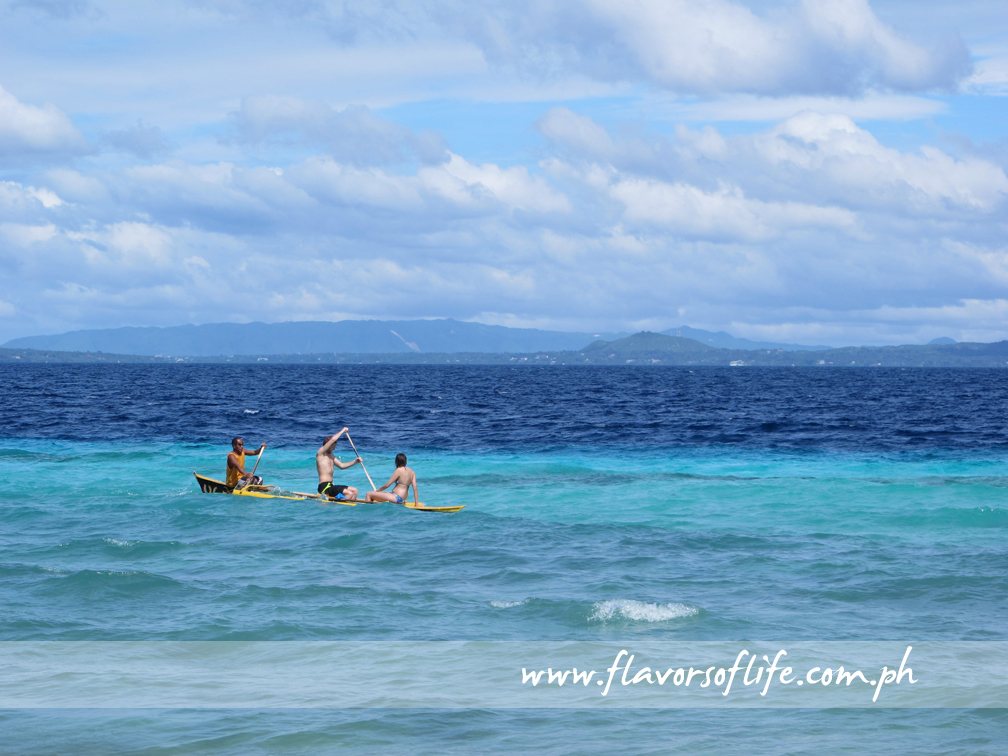
In our recent visit to South Palms Resort Panglao as part of the media group who served as guests during the dry run or simulation of the resort prior to its December 1, 2013, formal opening, we headed out to sea on our second day in Panglao and went dolphin watching around Pamilacan Island. Since the dolphins are usually spotted in the waters near the small island very early in the morning, we woke up very early that morning and left in a motorized banca. The spotter was up front looking for dolphins in the area, but after an hour or so circling the area in our boat and finding no signs of dolphin activity at all, our guide decided to head for Pamilacan Island, where we were to have breakfast and enjoy what the island had to offer the whole morning.

Pamilacan Island is a coral island where fossilized seashells can be seen on its rocky hills. It’s situated right in the heart of the Bohol Sea and got its name from the word pilak, which refers to a large hooked implement made and used by islanders to capture manta rays, whale sharks and bryde’s whales. About 300 families live on the island, and the men used to hunt dolphins, manta rays, whales and whale sharks for a living, but now that the endangered creatures are fully protected by law and the islanders have been educated about the need to preserve and protect the dolphins and the whales, they have given up their hunting ways and chosen to become stewards of the sea. They now serve as spotters and local guides in dolphin and whale watching tours.
Pamilacan is known for dolphin and whale shark watching, and regular tours are organized for both local and foreign tourists. Snorkeling is also an activity that tourists can enjoy on the island, while those who want to stay dry can explore the island on foot. A point of interest on Pamilacan Island is its ancient Spanish fort, the Santa Cruz, which some members of our group, including my husband Raff and I, got to see up close.
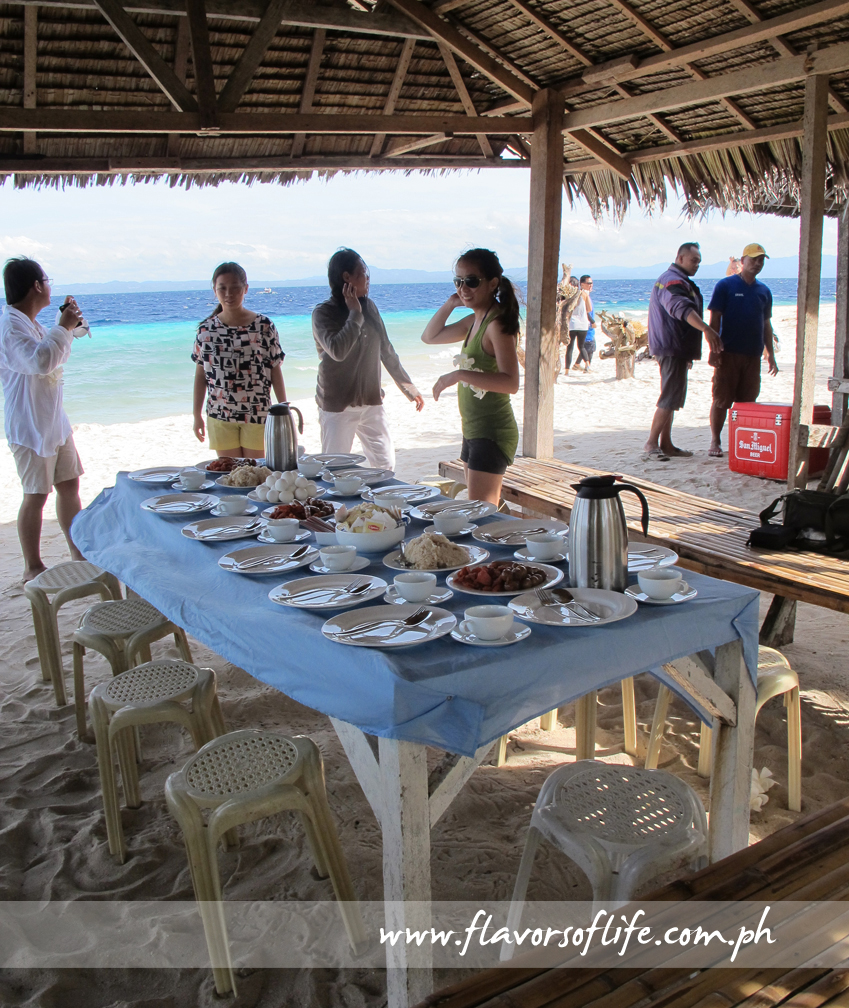
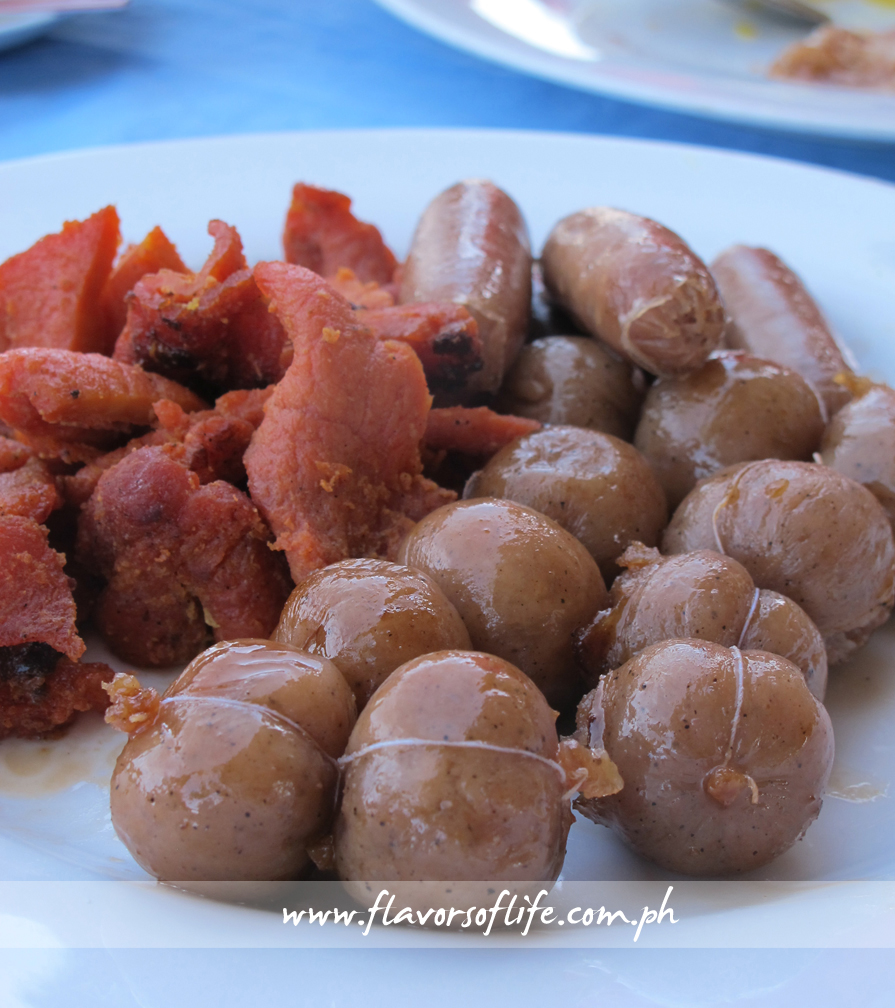
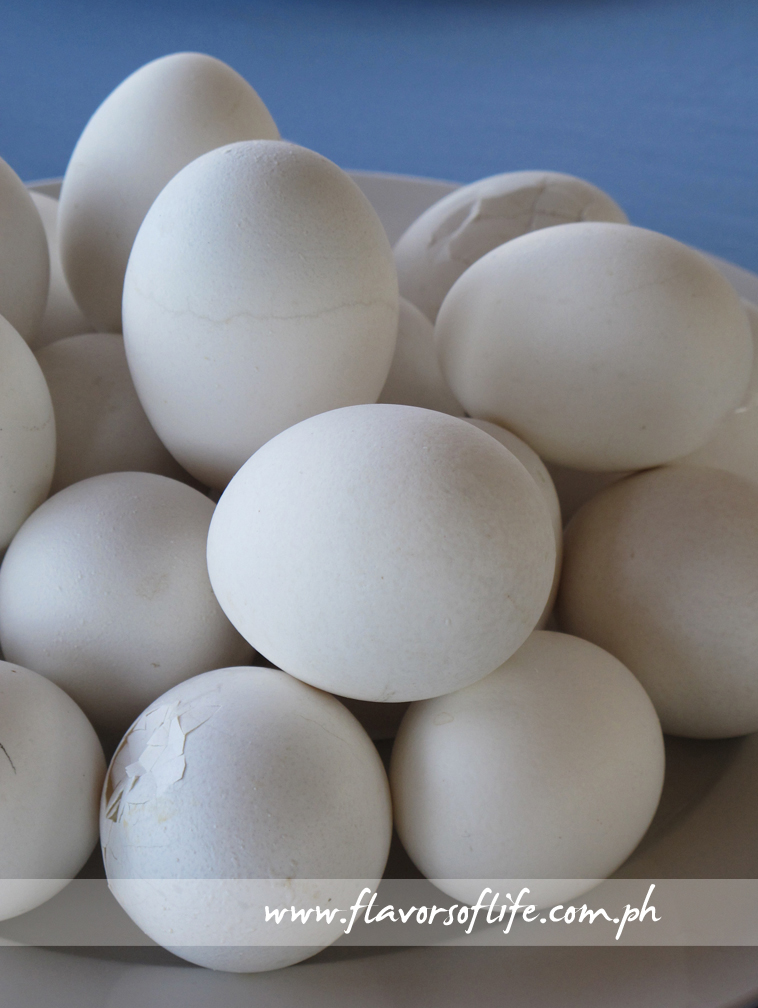
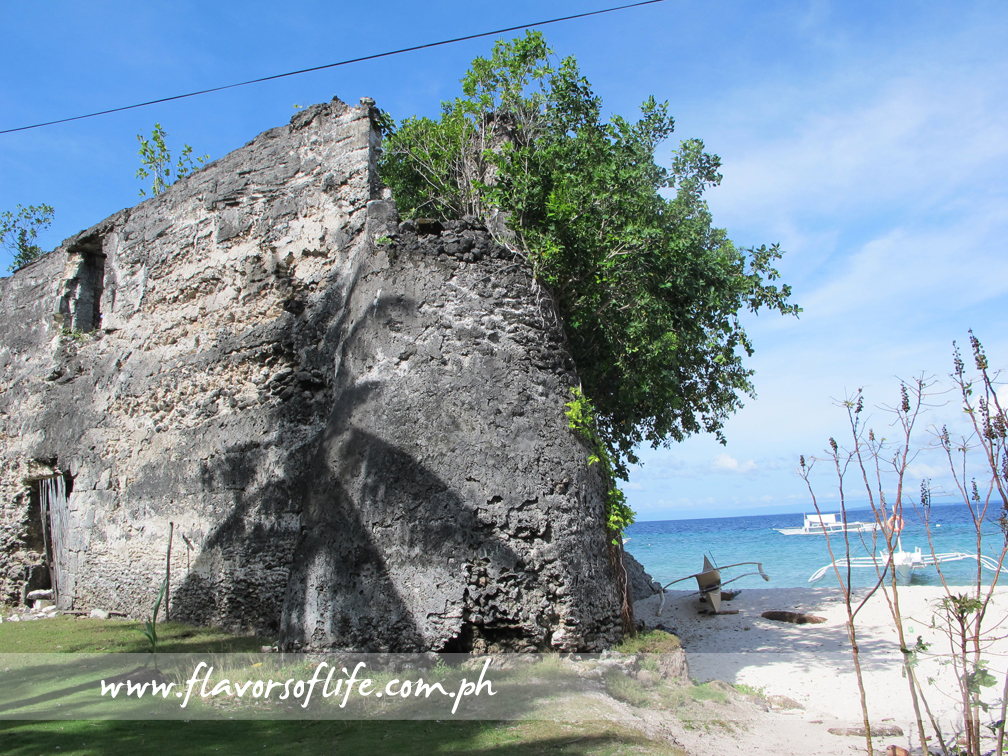
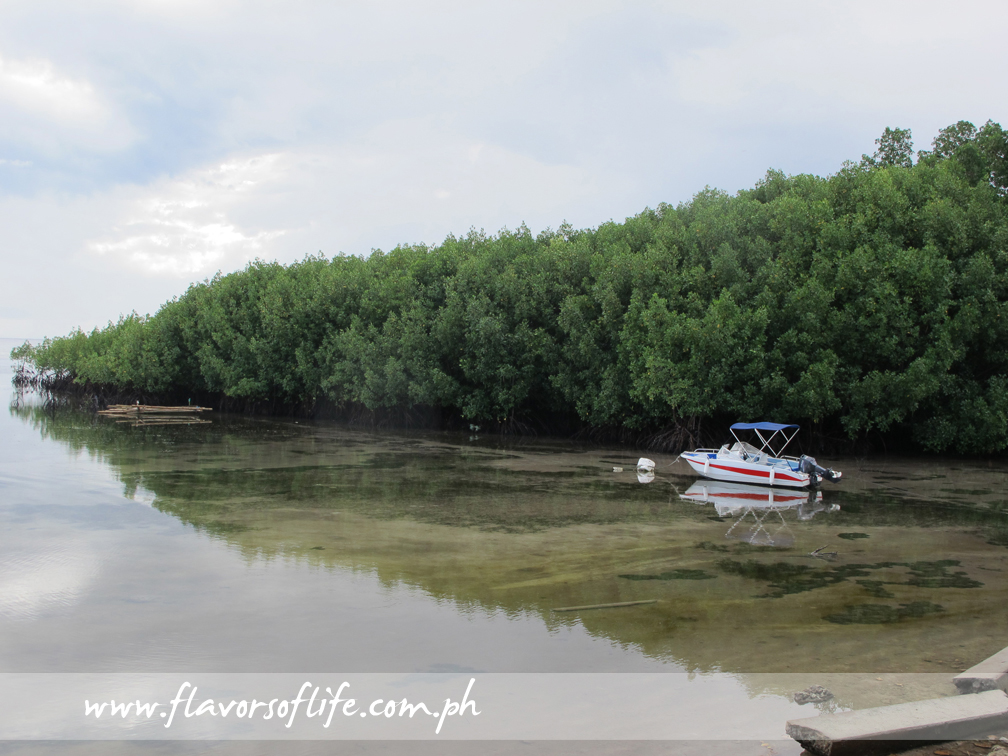
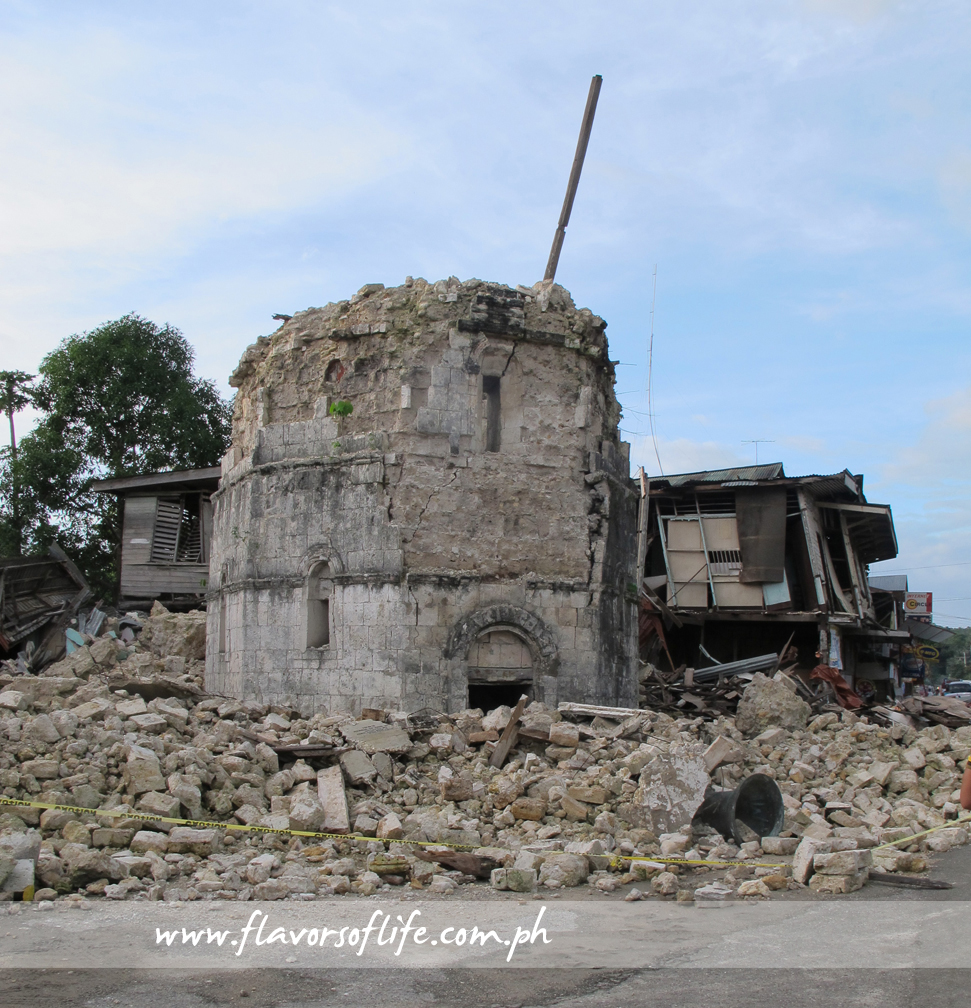
But, first, we had breakfast by the shore. Our South Palms Resort Panglao hosts, headed by managing director Hope Marie Uy and F&B business development manager Lolita Lyn Uy, had picnic tables set up by the shore, under the shade of the native picnic huts, and we shared a casual breakfast of garlic rice, tocino, longganisa, sausage and boiled eggs with atchara (pickled shredded raw papaya) and fresh fruits. Then off the adventurous members of the group went to go snorkeling, while some of us went strolling by the shore. Raff and I took pictures along the way, accompanied by Maan d’Asis Pamaran of Manila Bulletin, and along the way we met up with Philippine Star’s Lester Hallig and Gillian Gacuma. We chanced upon the ruins of an old watch tower, interacted with some island kids who were playing by the shore and then walked leisurely back to our hub by the beach. One by one, members of the snorkeling group trickled back in, and when the group was complete, we climbed aboard Valeroso, our motorized banca, and headed back to South Palms Resort Panglao.
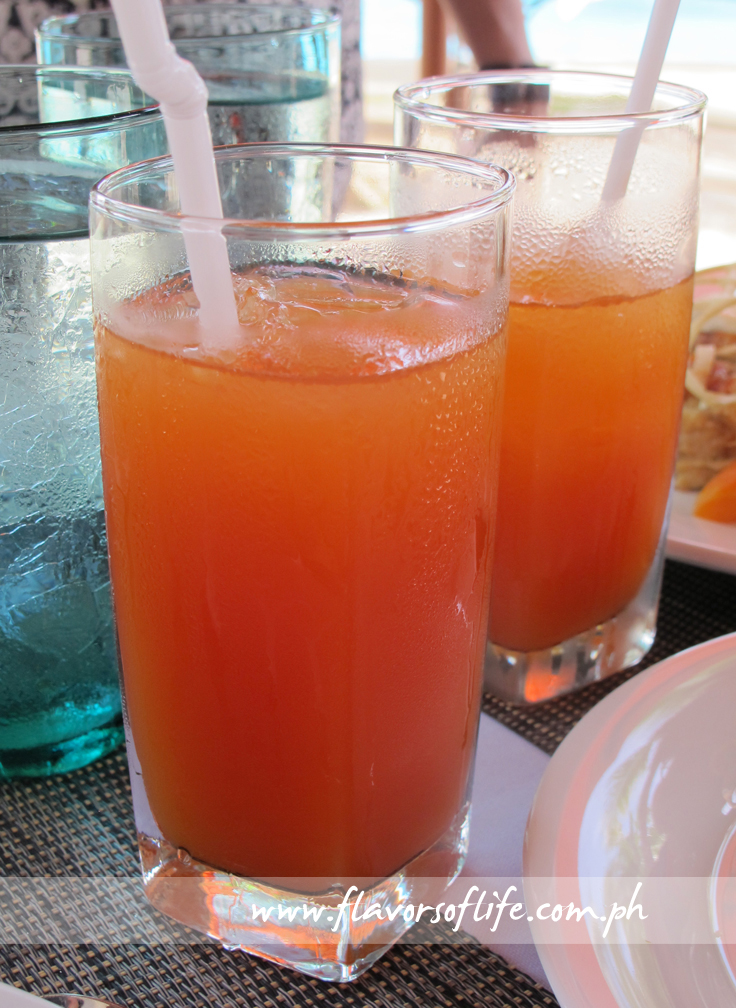
Still way out at sea on our approach to the resort, we could already see the brilliant colors of the resort’s chairs and flags, and a whole welcoming committee, headed by sales and marketing manager Fe Ginete, was there waiting with glasses of fresh buko shake for refreshments. Simple details like this make you feel so pampered, really.
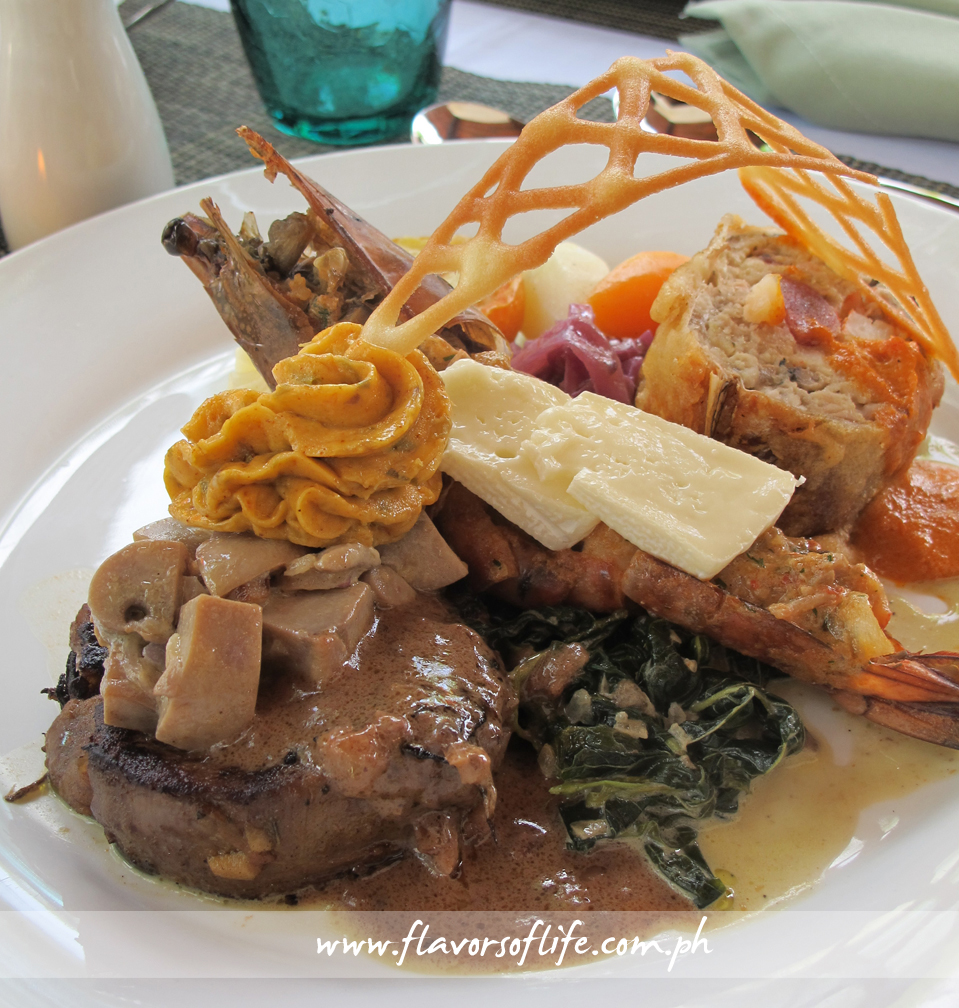
It was straight to lunch from the shore. Lunch this time was set up by the Adult Pool in front of our Deluxe Pool View Rooms, and it was an overwhelming combination of a plated main course and a buffet not only of appetizers, salads and desserts, but a number of main courses, as well. Arranged beautifully on the plate were a generous piece of steak medallion with mushroom gravy, prawn thermidor with slices of brie or camembert cheese, and thick slice of rellenong bangus with tomato siding.
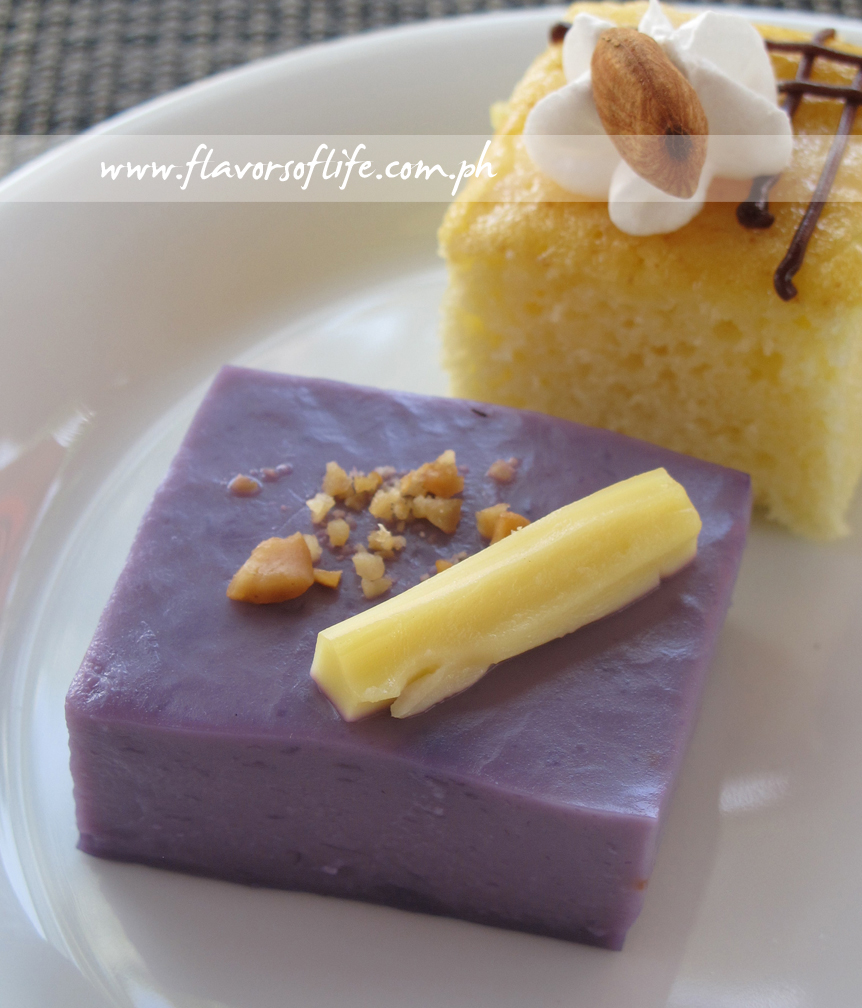
Food on the buffet table was flowing. Appetizers included makis and sushis, Prawn Mango Salad, Croquetas and Kinilaw. There were Ebi Tempuras and Calamares as additional main course, and the dessert spread offered Almond Butter Cake, Ube Maja, Raspberry Mousse and Pistachio Panna Cotta along with fresh fruit slices.
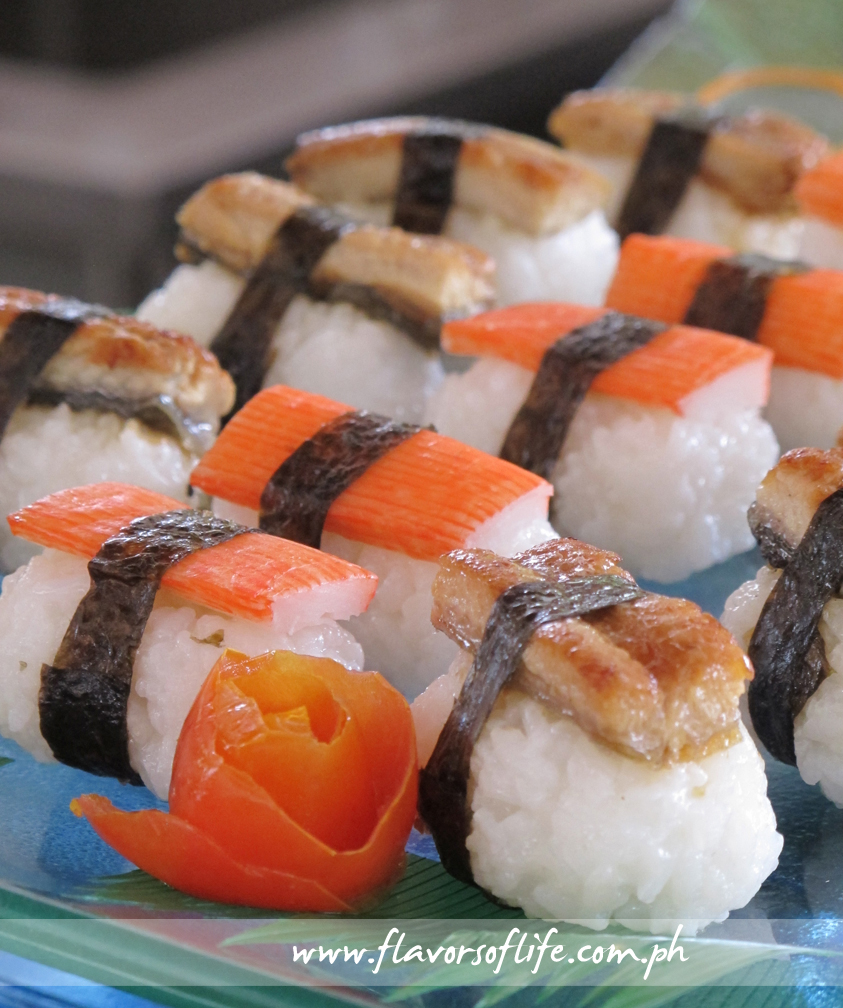
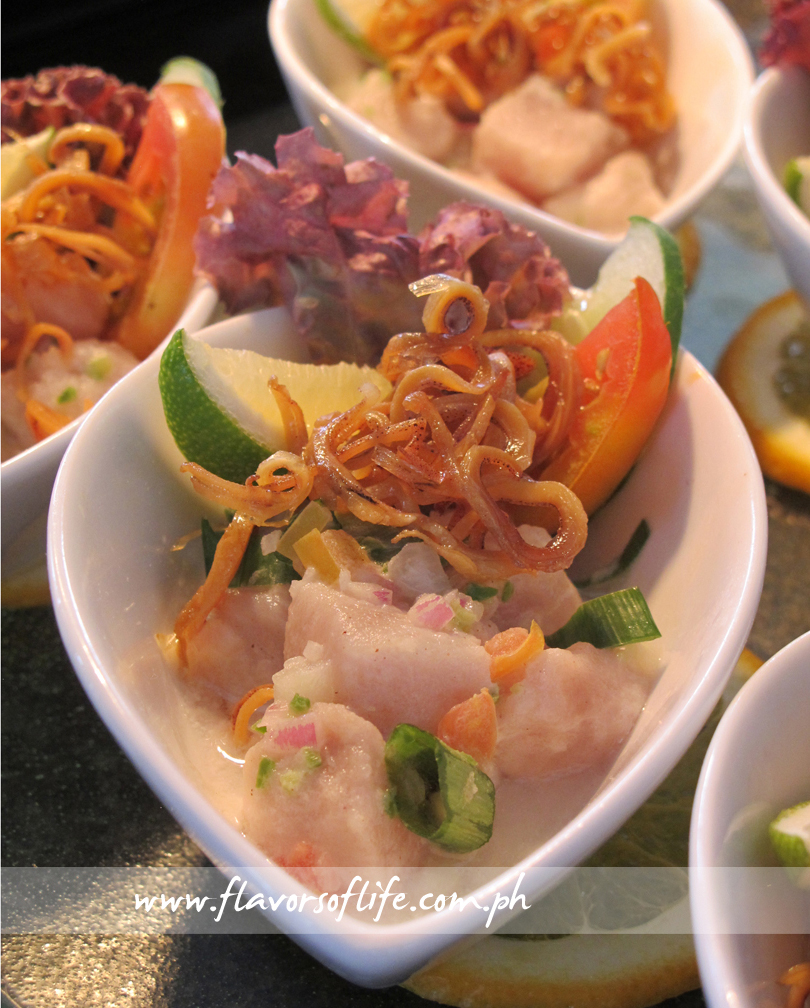
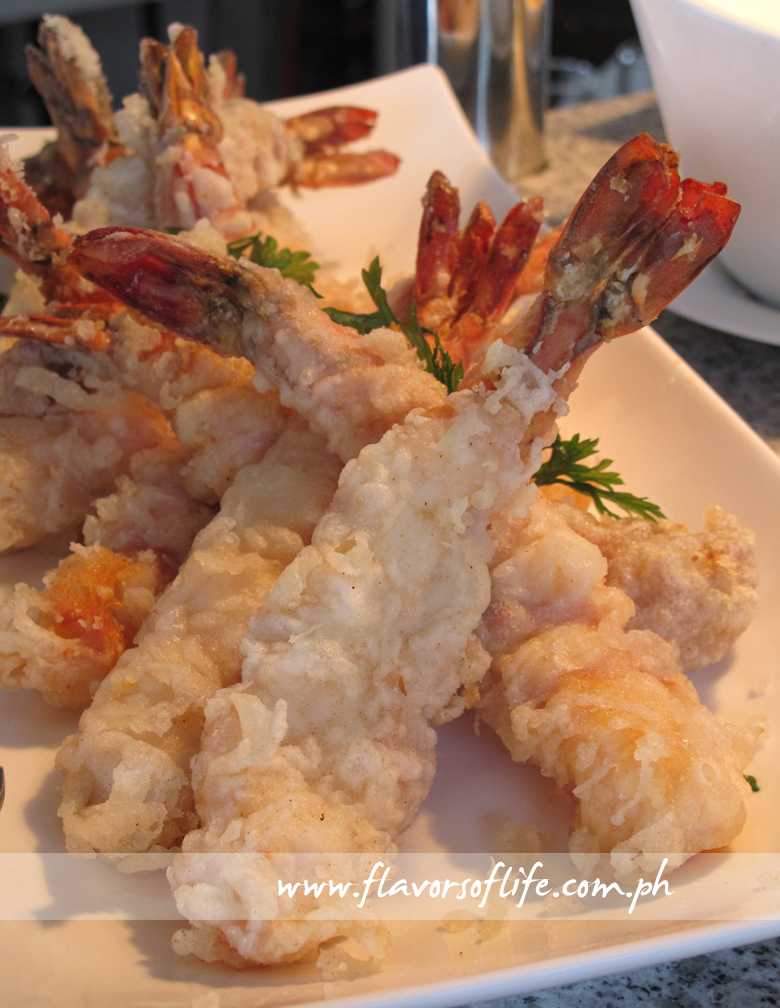

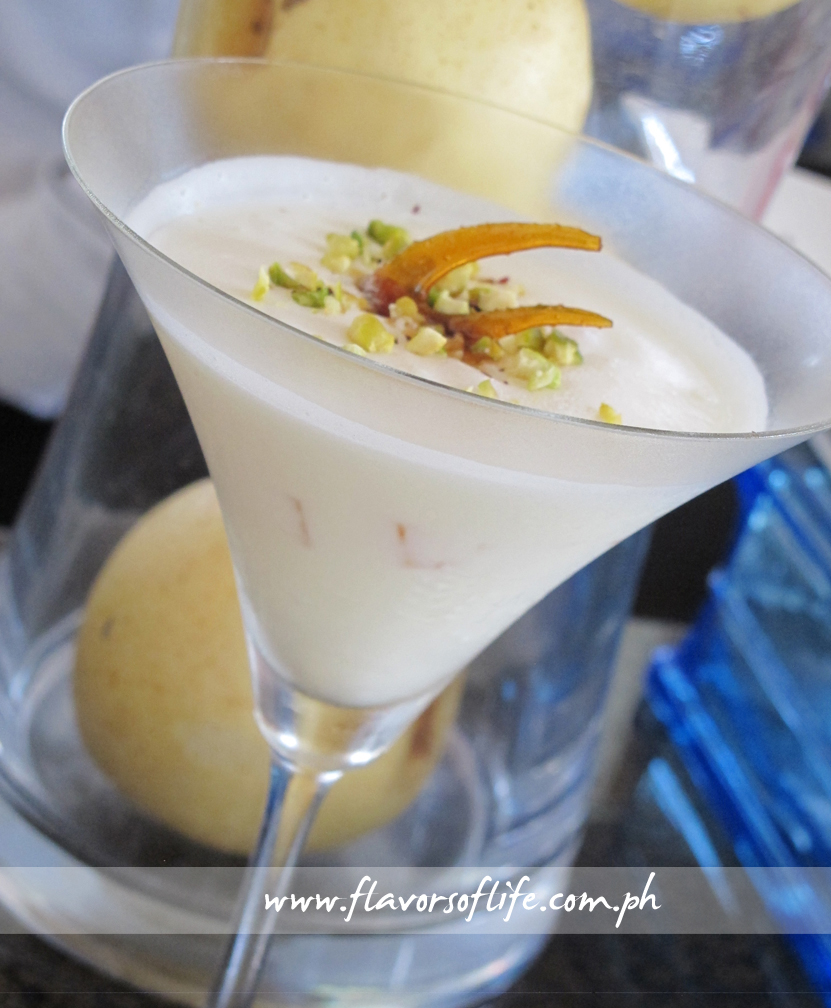

After lunch, we all retreated to our rooms for a quick shower, and off we went again, this time on a city and countryside tour not only around Panglao but also on the main island of Bohol.
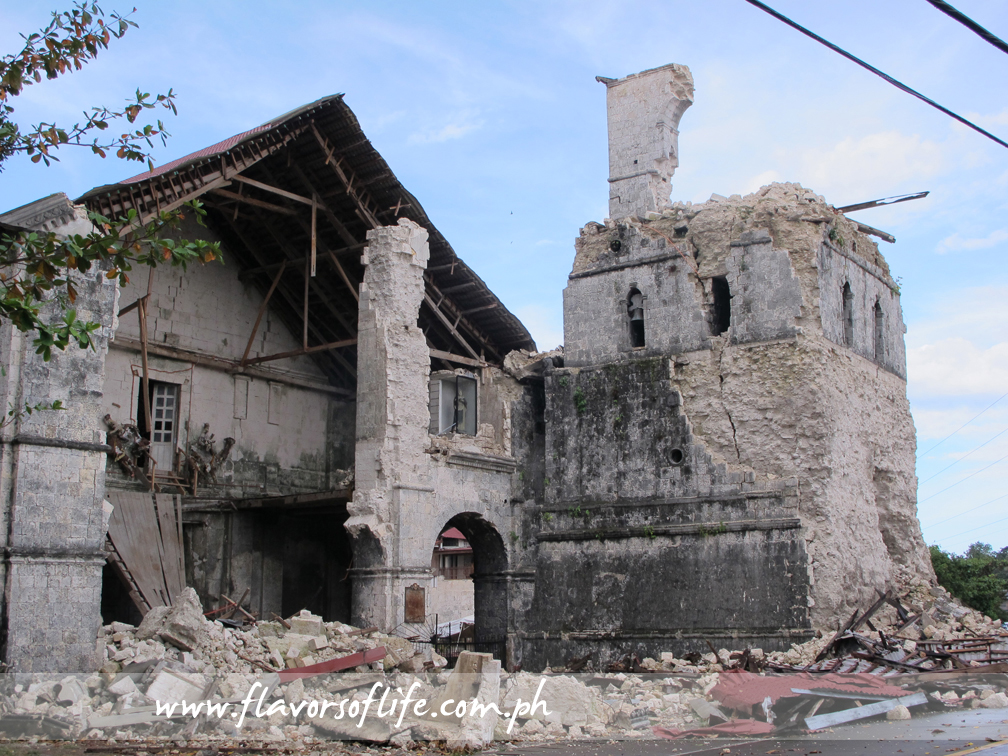
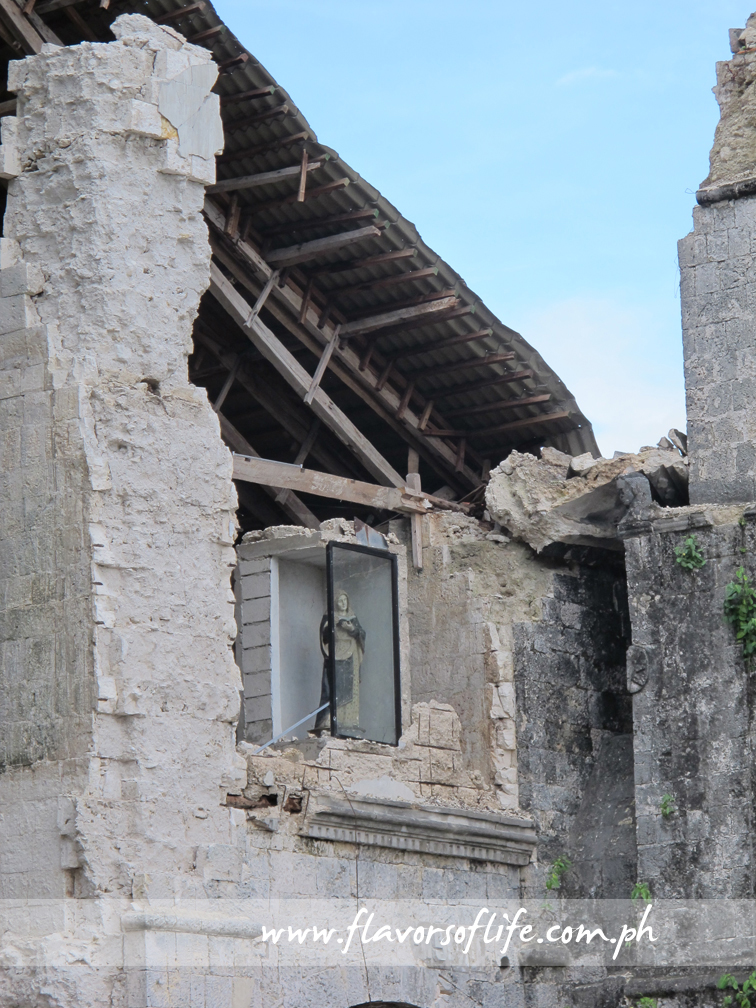
First stop was Baclayon Church, which was badly damaged by the Magnitude 7.2 earthquake that hit Bohol on October 15, 2013. I felt sad when I saw the ruins, because the first time I visited Bohol about two years ago, I saw the old church still standing magnificent and proud. This Catholic Church was first built in 1595, rebuilt in 1724, and declared a National Historic Treasure in 1995. Strangely, the encased image of the Blessed Mother remained standing and unharmed.
Incidentally, Pamilacan Island forms part of Baclayon, a fourth-class municipality in Bohol which derived its name from the word baclay, which means “to walk,” with baclayon meaning “within walking distance.”
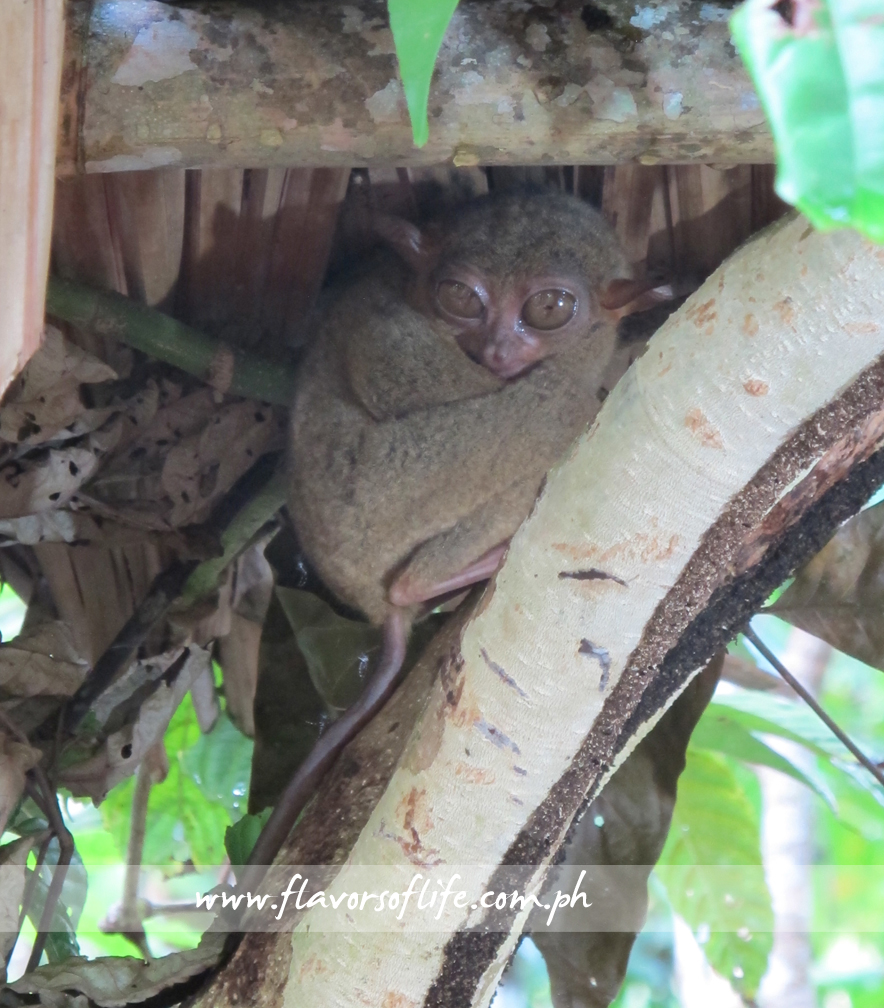
Next, we stopped by the Tarsier Conservation Area in Loboc. Tarsiers are one of the smallest primates in the world and one of the oldest living mammals inhabiting the earth. They’re as small as three to five inches tall, have big round eyes that only see straight (with no peripheral vision), have heads that can turn 180º on each side and have life spans of 15 to 20 years. They used to be displayed in private places in the past, with tourists being allowed to hold them and take pictures with them, but tarsiers, research showed, get stressed this way and, worse, have been found to have suicidal tendencies. So, now, tarsiers are protected in the Tarsier Conservation Area, where they are allowed to live and move freely, and visitors are no longer allowed to touch them or even take pictures of them using flash. Guides bring guests around their natural habitat and point them out, and guests can only take pictures of them with natural lighting.
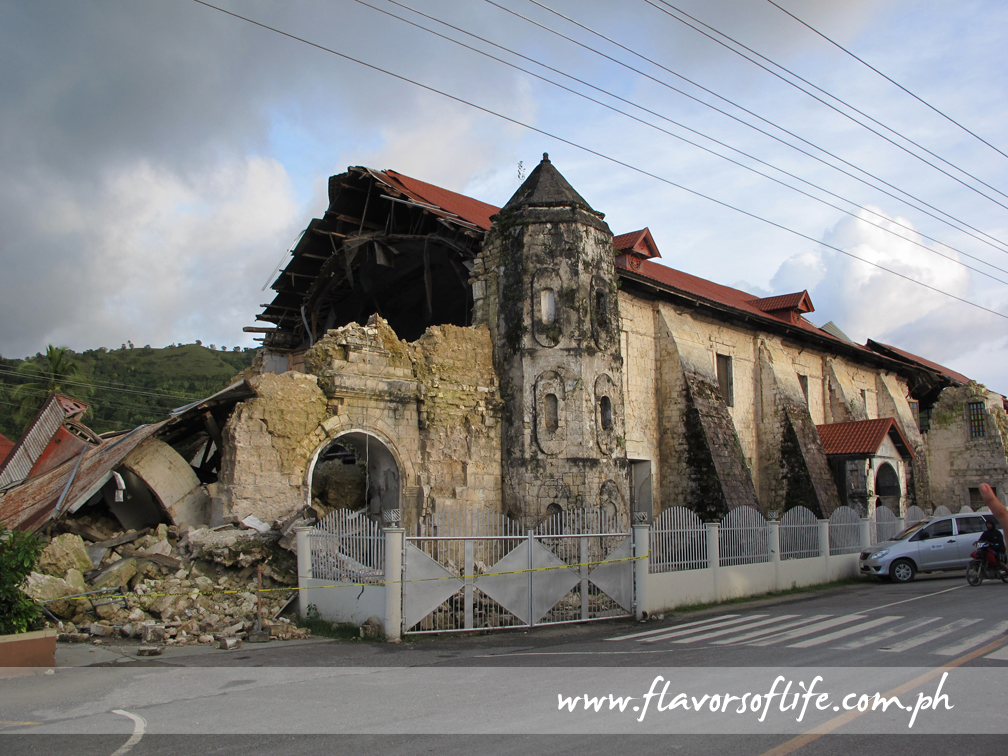
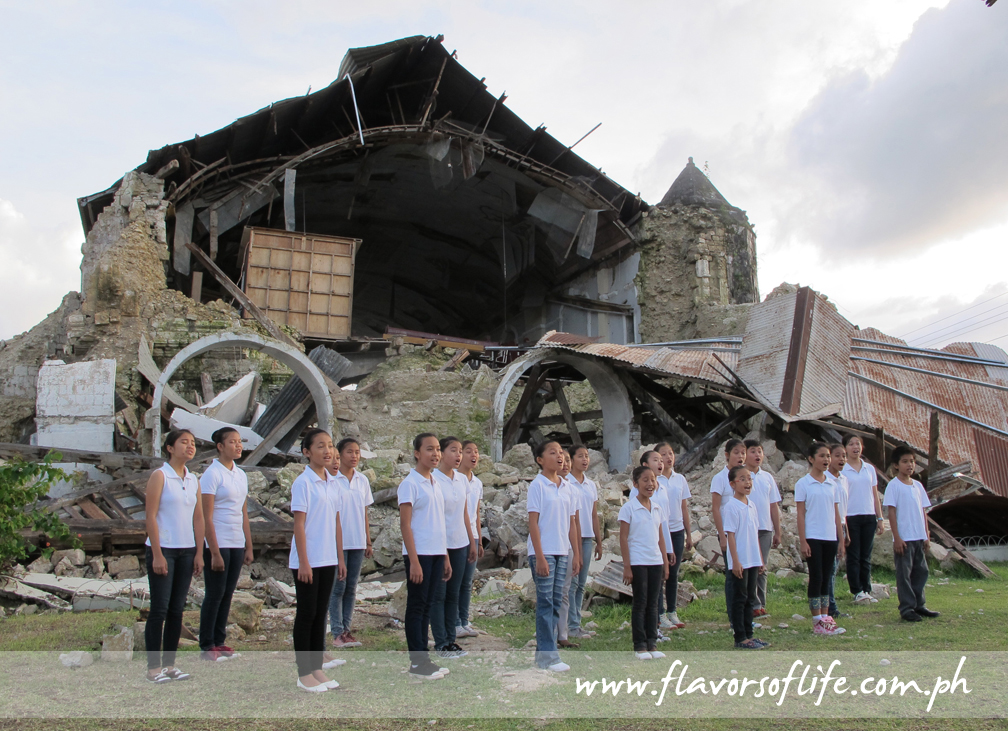
From the Tarsier Conservation Area, the group moved on to the Loboc Church, which was first built in 1602, was destroyed by fire in 1638 then rebuilt beside the site of the original church. It is located within Loboc, a fourth-class municipality in Bohol which is known for its Loboc River cruise complete with floating restaurants, and is also home to the famous Loboc Children’s Choir, which earned it the title Music Capital of Bohol. Loboc Church was another historical church that was badly damaged by the October 15, 2013, earthquake. Its entire front structure collapsed, and its side and free-standing bell tower suffered badly, as well.
Alighting from our van by the side of the Loboc Church and walking towards the front to take a picture of the ruins, we were pleasantly surprised to find the famous Loboc Children’s Choir assembled in front of the church and singing The Prayer. The choir members’ angelic voices floated in the air, and we all got goose bumps to go with lumps in the throat as they sang. I wanted to cry, so I quietly walked away.

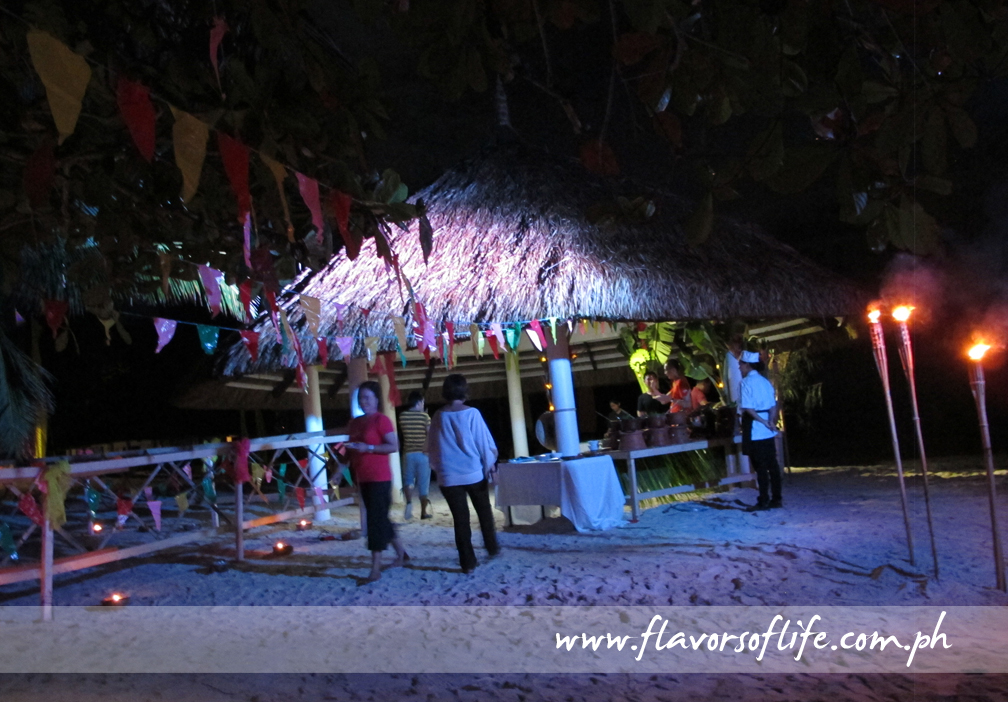
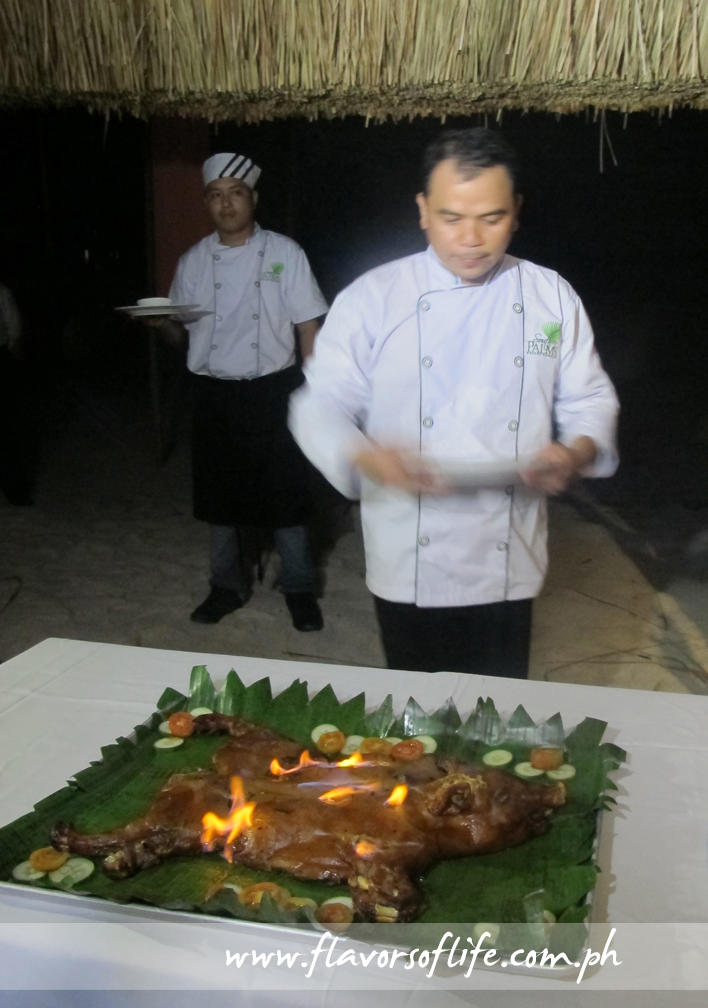
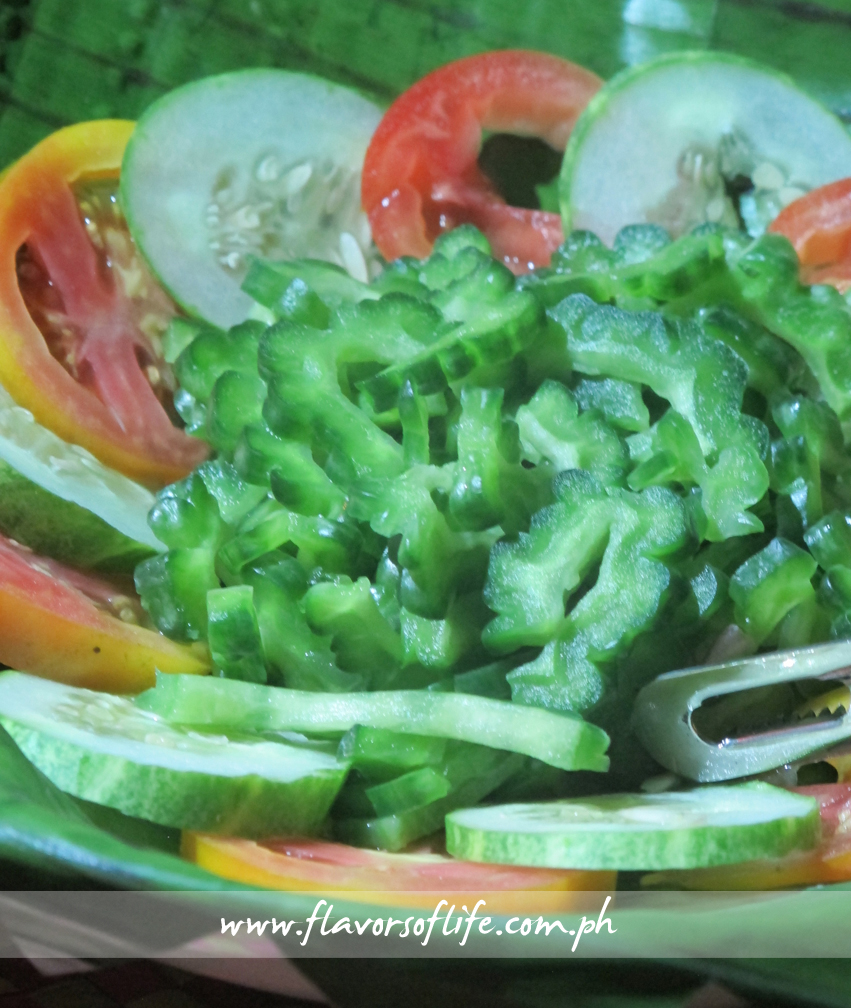
After our slightly prolonged stay at Loboc Church, it had started to get dark, so we drove back to South Palms Resort Panglao, where we had a little time to rest and shower before it was time for the resort’s Boholano Fiesta dinner and entertainment. The beachfront was dressed up to look like a town fiesta complete with native huts and colorful buntings. The food – appetizers, main dishes and desserts – were set up in bilaos and palayoks, all for the taking. To open the Boholano Fiesta dinner, Executive Chef Dionisio ‘Toto’ de los Reyes performed a traditional ritual of cutting the Cochinillo (young pig cooked to a golden crisp). He fired up the pig then cut it up using the side of a round white plate, then, afterwards, threw the plate onto the ground to crash it to pieces.

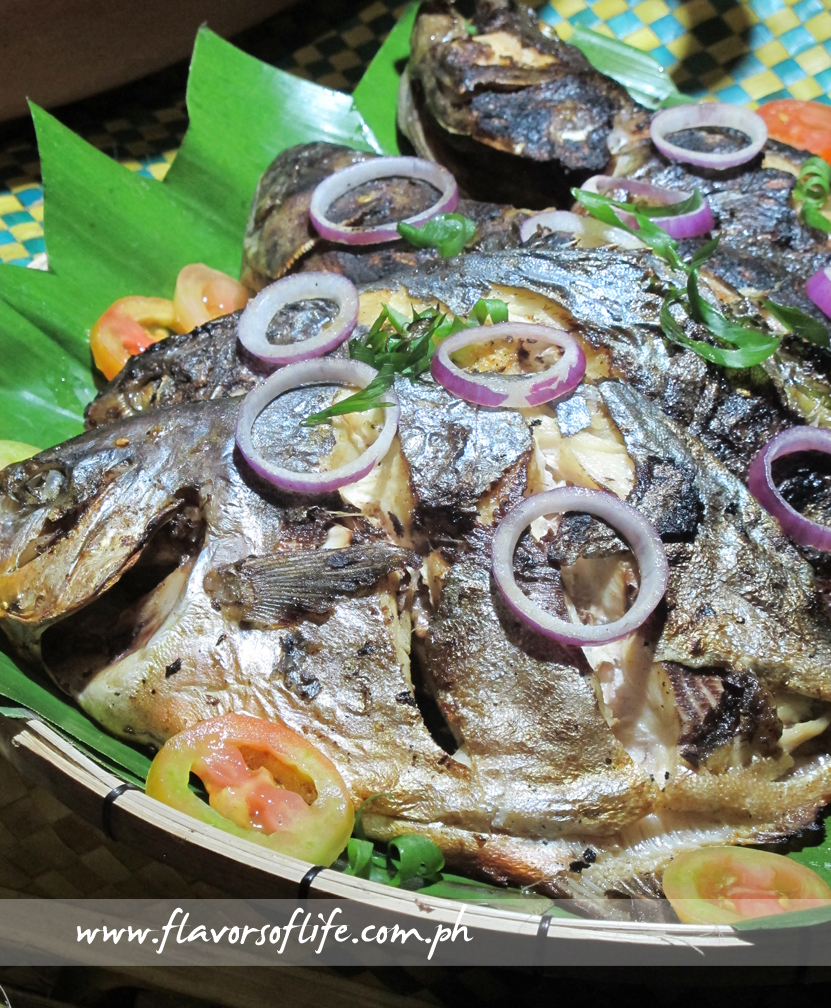
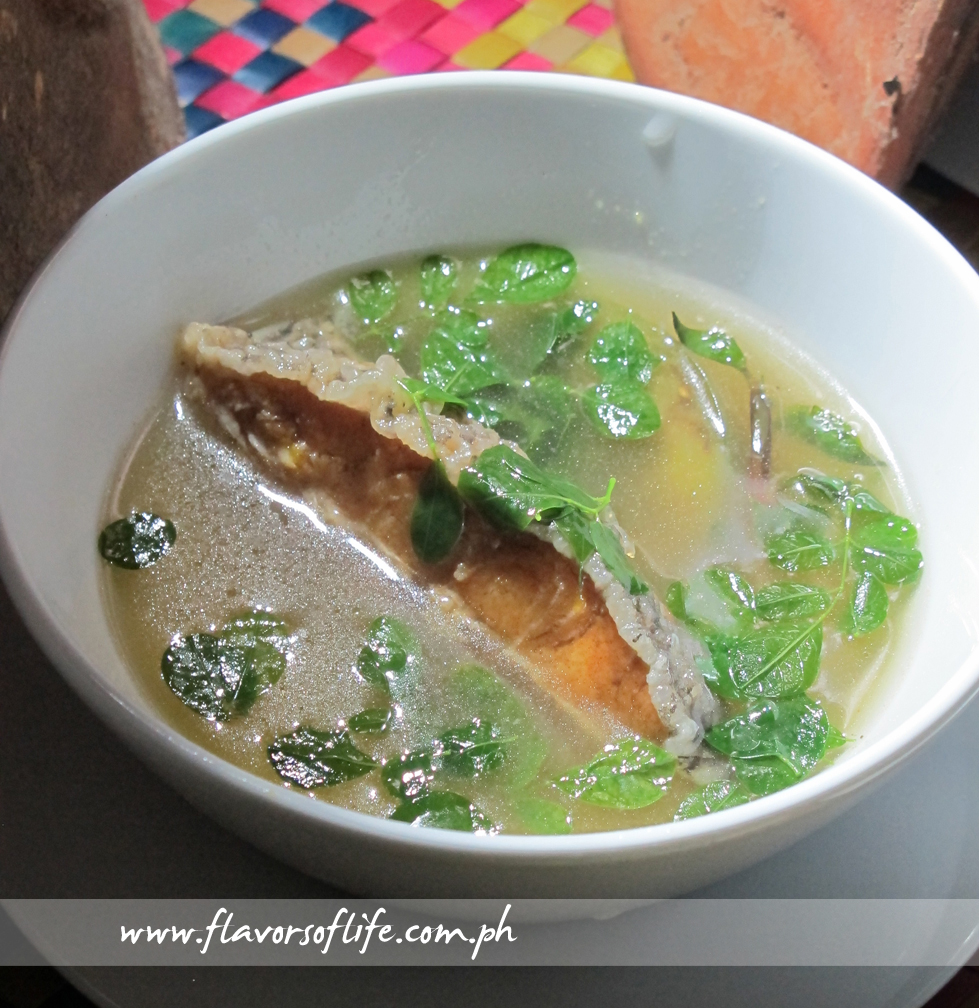


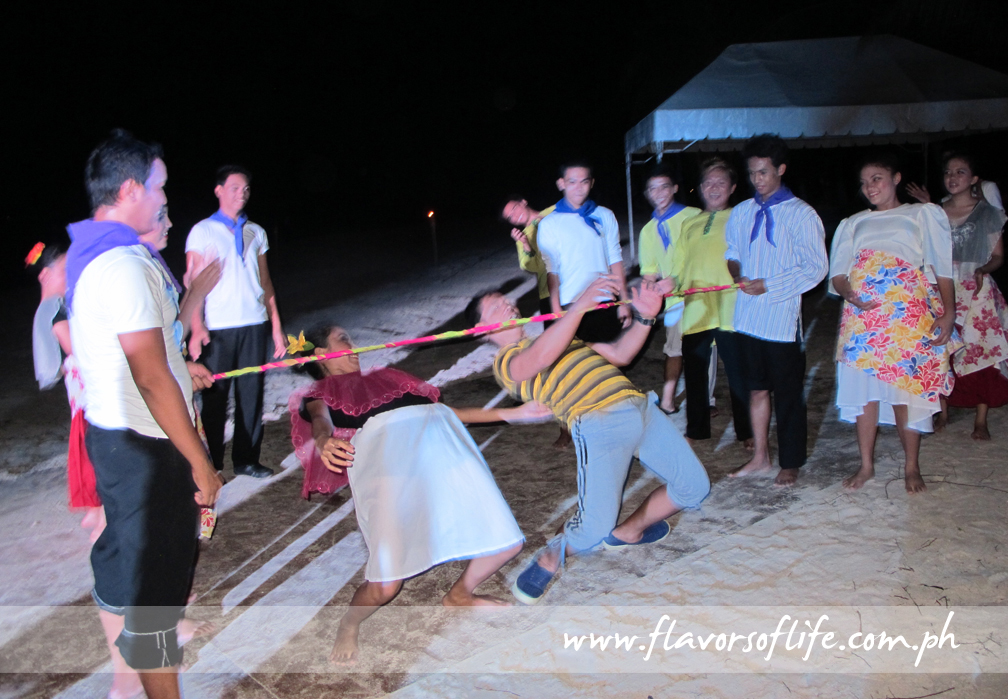
Just like the evening before, we saw dance performances while partaking of our dinner. Dancers all dressed in native outfits performed different Philippine folk dances, including Sayaw sa Bangko and Tinikling. Just as the dancers were calling on diners to participate in their tinikling dancing, followed by Limbo Rock, Raff and I slipped out quietly for our scheduled massages by Palm The Spa therapists – 60 Minutes Traditional Hilot (powerful therapy rooted in Filipino wellness tradition, with light to medium pressure that soothes and restores with warm virgin coconut oil) for Raff and 60 Minutes Foot Massage (with a little bit of hand reflexology and back massage, but with particular emphasis on the feet and legs) for me.

And the little surprise of the evening – a small gift box filled with freshly baked Oatmeal Cookies and Chocolate Chip Cookies for a nightcap. I set it aside for taking home with me to Manila, as I was already very full, and so was Raff. After the relaxing massage, I turned to my laptop computer for a while, then called it a night and slipped into South Palms’ really comfortable and sleep-enhancing memory foam bed and dozed off.
This is certainly the way a Bohol beach holiday should be!