

DESPITE its scholarly vibe and university feel due to the strong presence of Silliman University, Dumaguete City in Negros Oriental also has a bold and adventurous spirit to it. This is owing to the fact that Dumaguete is surrounded by mountains and islands that promise adventures beyond the ordinary.
For mountain climbers and hikers who find triumph in conquering vertical limits, Mount Kanlaon, the Philippines’ largest active volcano and the highest mountain in the Visayas region, is within easy reach. Then there is a lesser known mountain, called Mount Talinis, that can be found some 20 kilometers from the city and offers a spectacular view of the southeastern peninsula of Negros Island and the volcano’s own picture-perfect forest scenery and volcanic lakes.
More well-known, however, are the dive spots, marine sanctuaries and dolphin and whale watching activities that are just waiting to be discovered. First on the list is Apo Island, one of the world’s best-known community-organized marine sanctuaries, which is just 25 kilometers south of Dumaguete City.
From where we were based, Sta. Monica Beach Club, during our recent visit to Dumaguete City, our media group — Tribune’s Earl Bracamonte, Manila Bulletin’s Ronald Jayme, Manila Standard’s Maan Pamaran, Philippine Star’s Lester Hallig, Manila Times’ Sheila Mañalac, View’s Glaiza Lee, my husband Raff and I — travelled by land to Malatapay, Dauin, Negros Oriental, with local tour guide Angelo Villanueva, then took a 30-minute motorized boat ride to Apo Island, which got its name from the Filipino word which means “grandchild.”




The jump-off point to Apo Island in the municipality of Dauin is the Malatapay Market. It’s a local market where vendors of different types of merchandise, including cattle, turn out on certain days of the week to sell their ware. We were there on a Wednesday, market day, and the market was very much alive and vibrant at that time, with stalls lining the sidewalk selling everything from knives to clothes to kakanin.
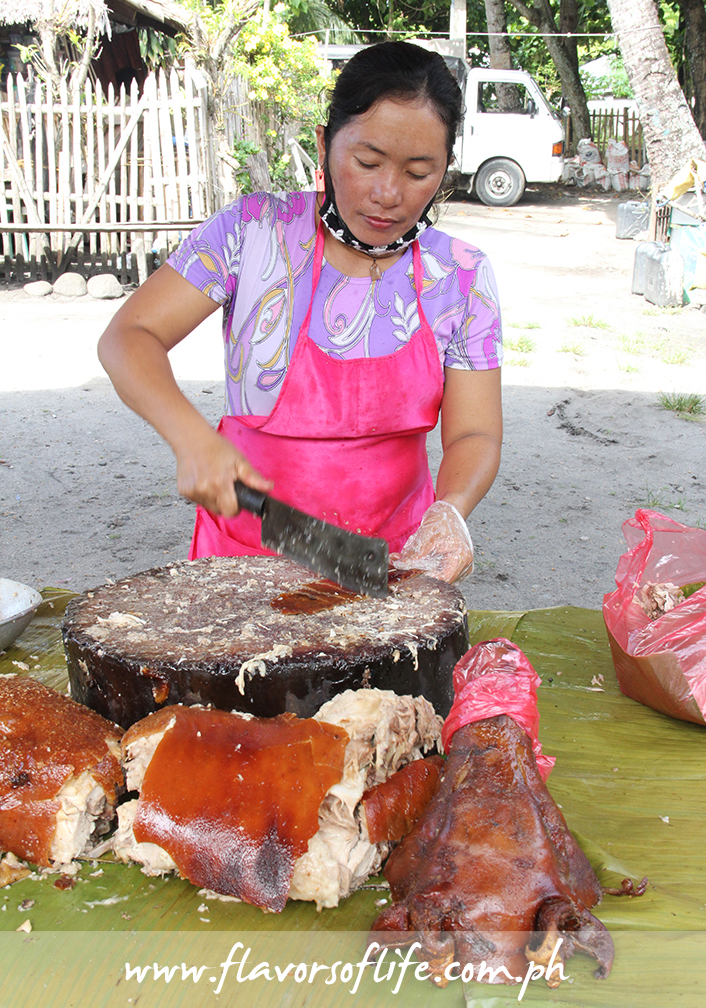
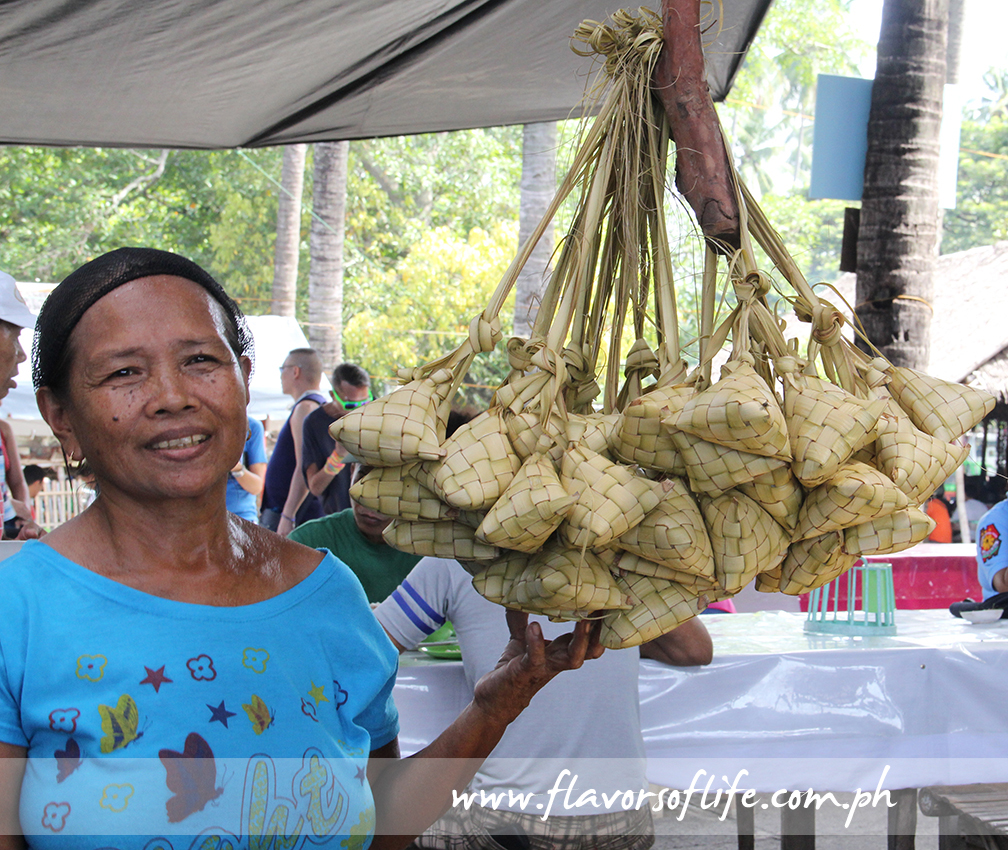
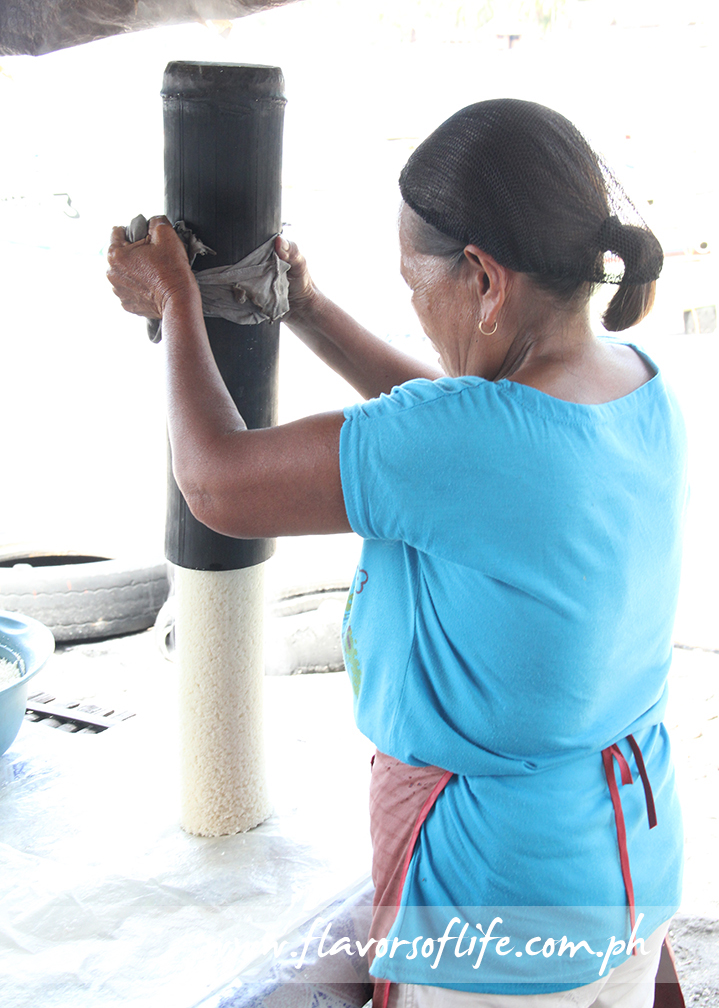
While waiting for the boat to be ready to transport us to Apo Island, we ‘explored’ the market. Angelo bought a kilogram of Lechon, whose golden red, cracked skin and juicy lean meat beckoned to passers-by. Around the two Lechon vendors were al fresco dining areas, where one can just buy lechon and rice and sit down to have a real good meal on the spot. There are vendors selling Pusô, which is steamed rice cooked in an almost heart-shaped pouch made of buli (buri leaves). It is native to Cebu, a province which stands in close proximity to Negros Island. There is also Sinakol, which is ground corn steamed in huge bamboo tubes and then cut into segments and is eaten like rice. We even got the chance to watch the local ladies prepare Sinakol before it was time to board the motorized boat that would take us to Apo Island.

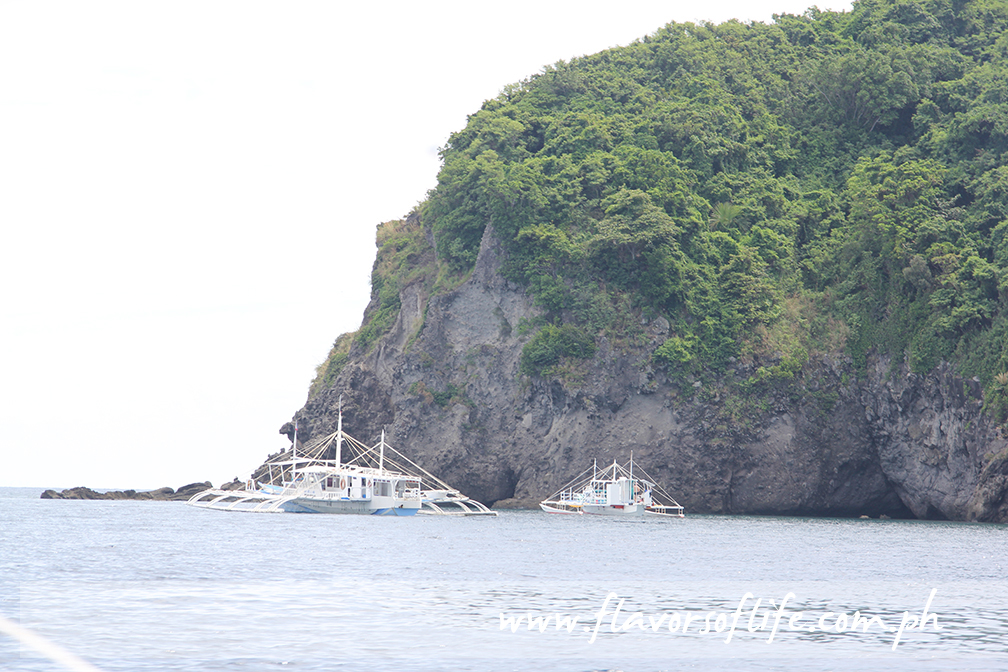
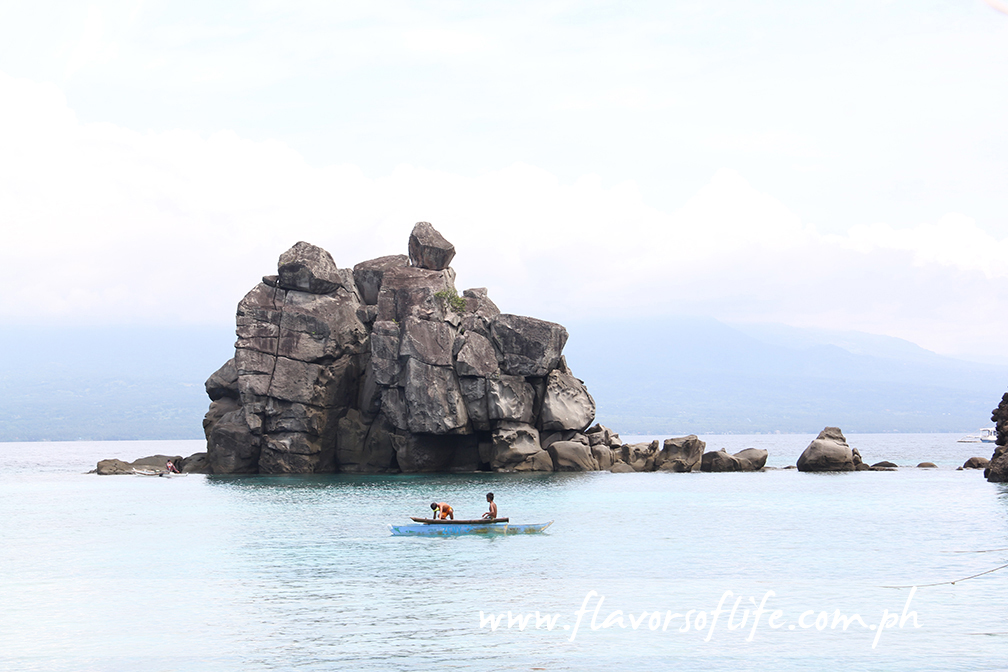
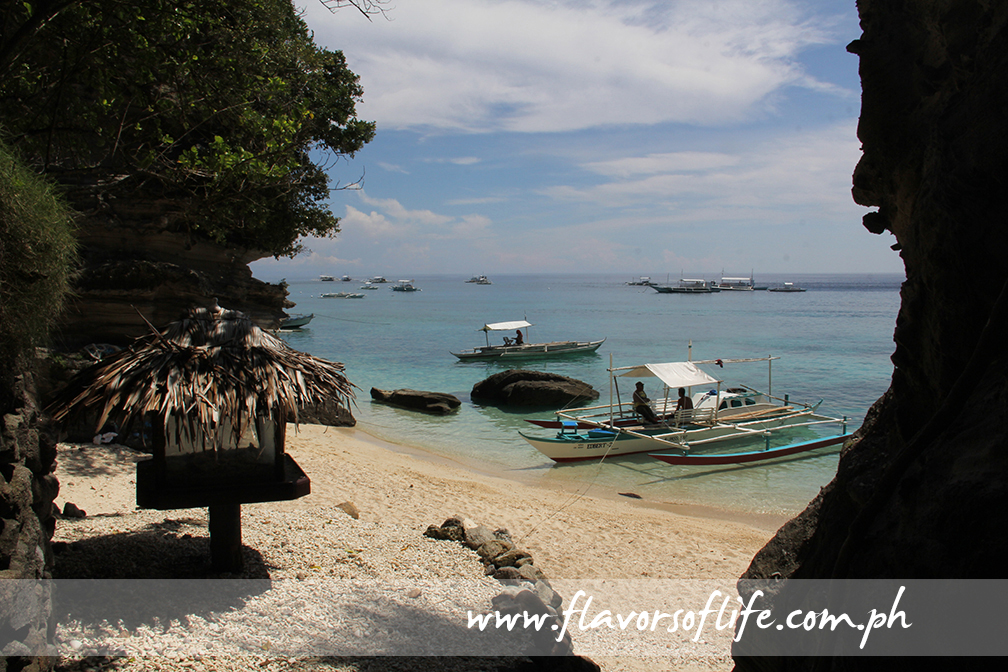
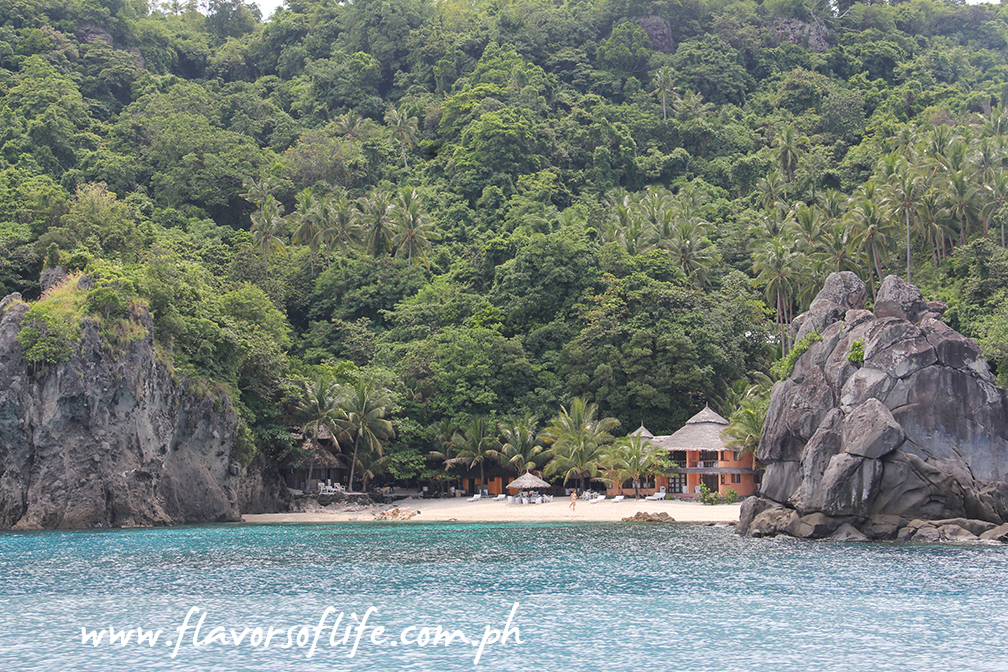
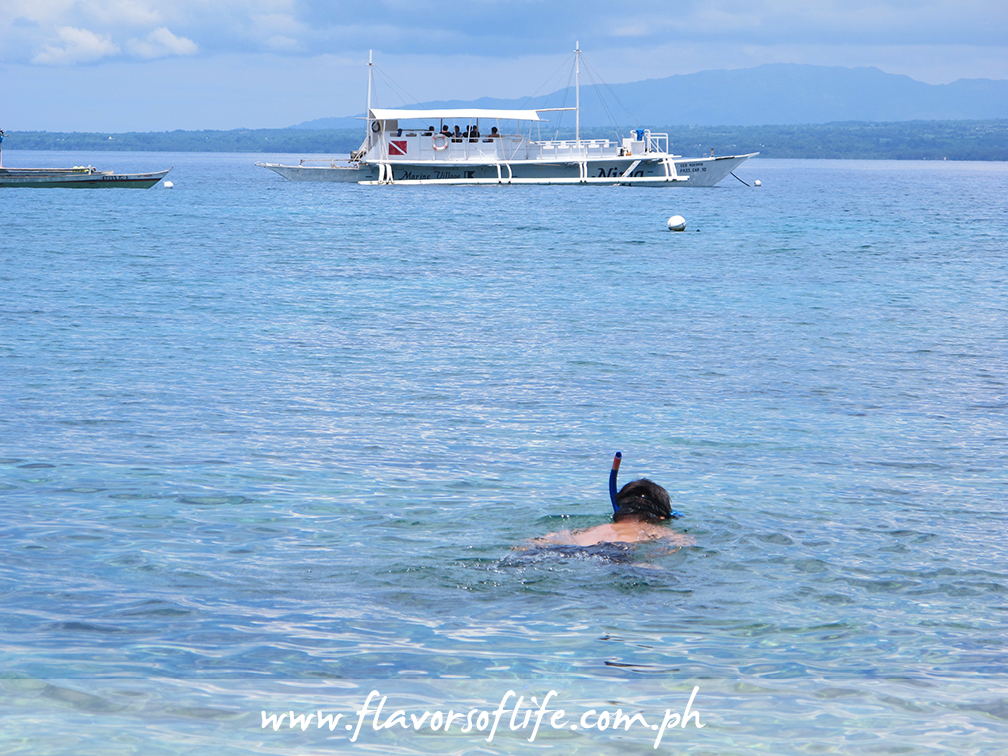
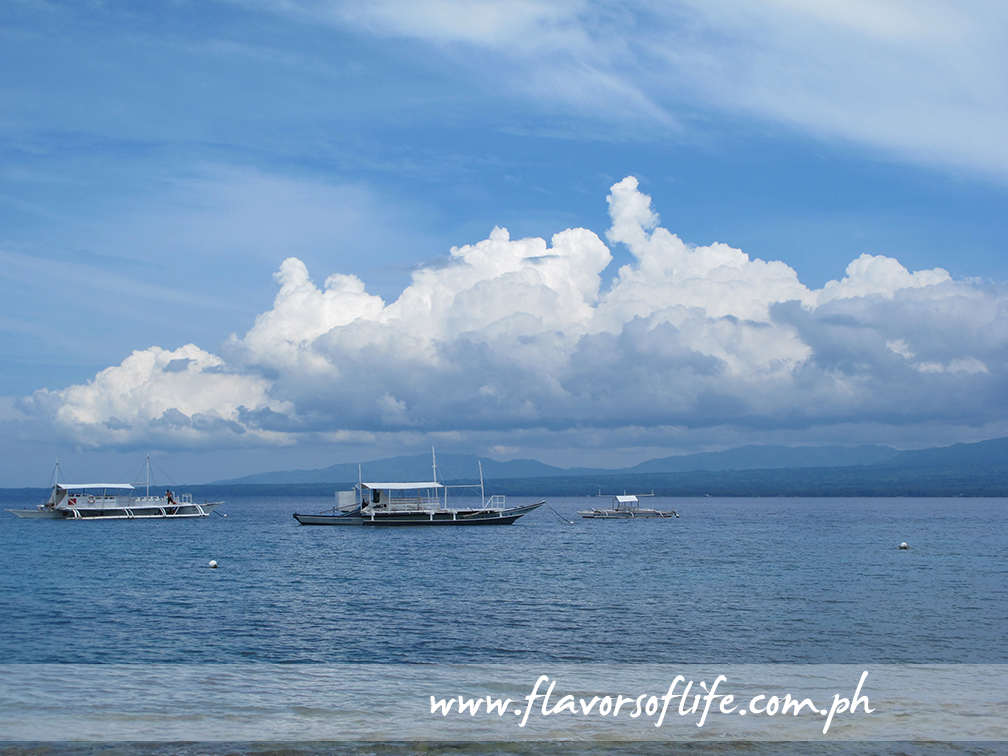
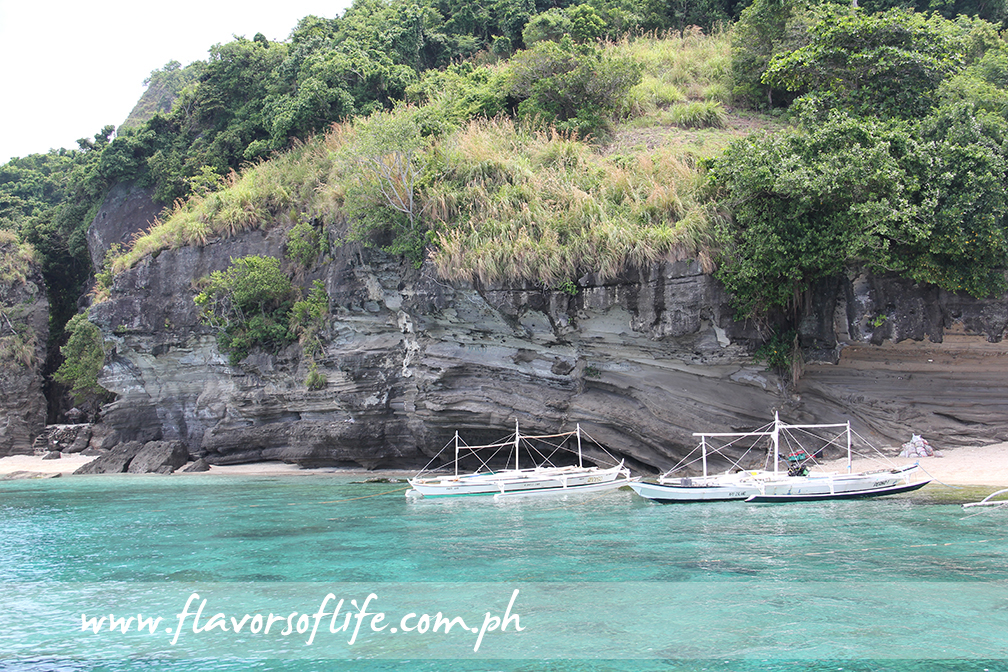
The boat ride gave us a chance to marvel at the breath-taking crystal clear, turquoise blue-green waters that have made Apo Island one of the world’s best-known dive sites and snorkeling destinations. The marine habitat around the island is a marine reserve which is protected by the National Integrated Protected Area Act (NIPA) and is under the jurisdiction of the Protected Area Management Board (PAMB). It is home to more than 650 documented species of fish and 400 species of corals. Its activities are well documented by the global science community, thanks to Dr. Angel Alcala, a marine scientist from the Silliman University Marine Laboratory, who started it all by introducing to the local fisherfolk the importance of creating a marine sanctuary in the area. After initial hesitation on the part of the locals, Dr. Alcala scored a breakthrough in 1982 when the local fishermen, assisted by the Silliman University Marine Laboratory staff, finally selected an area along 450 meters of shoreline and extending 500 meters from the shore as the site of the marine sanctuary.
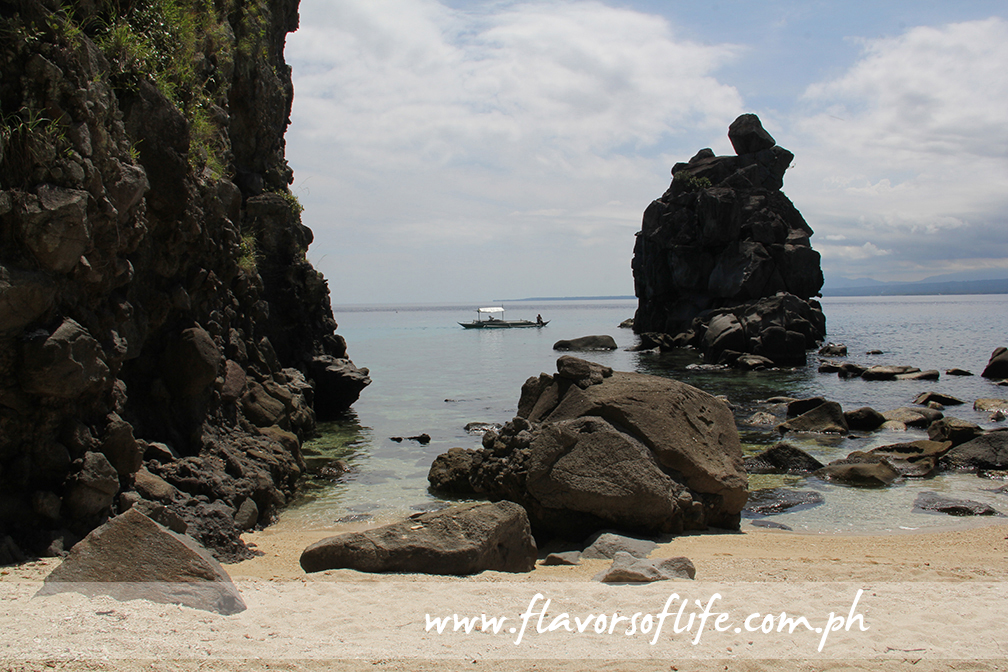
Results of the creation of the marine sanctuary in the area became more evident as the boat neared the island. The water is so clear you can see the rocks underneath, and if you go snorkeling, you don’t have to go far from the shore to experience a close encounter with sea turtles. The turtles are so used to human encounters that they have become so friendly. With an underwater camera, which a lot of touch-and-shoot digital cameras now are, you can even have a selfie taken with the turtles.
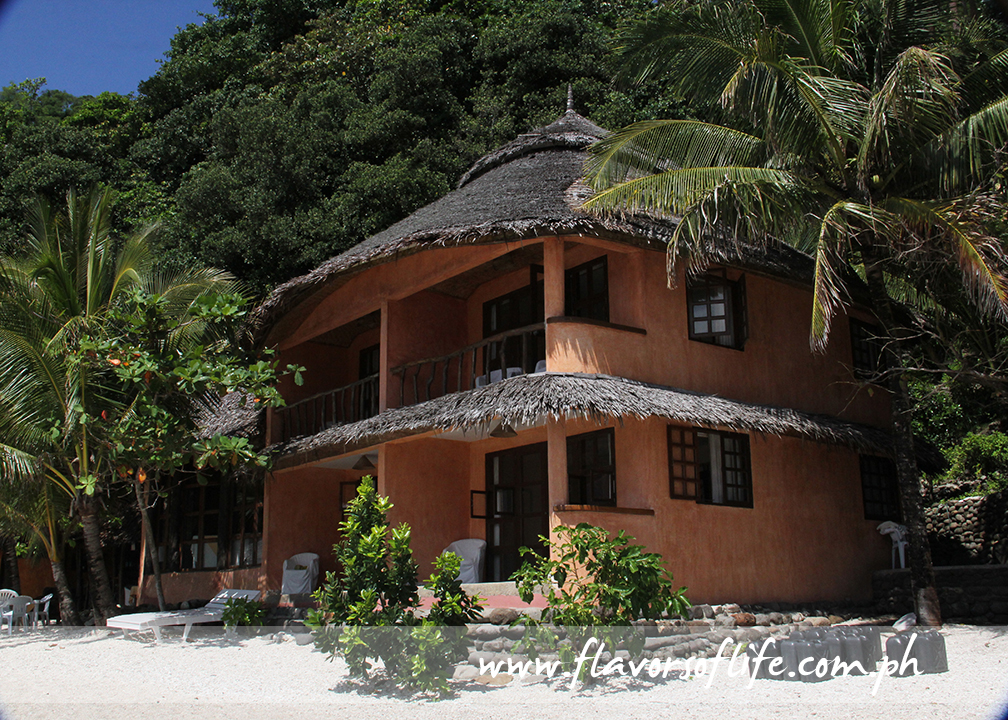
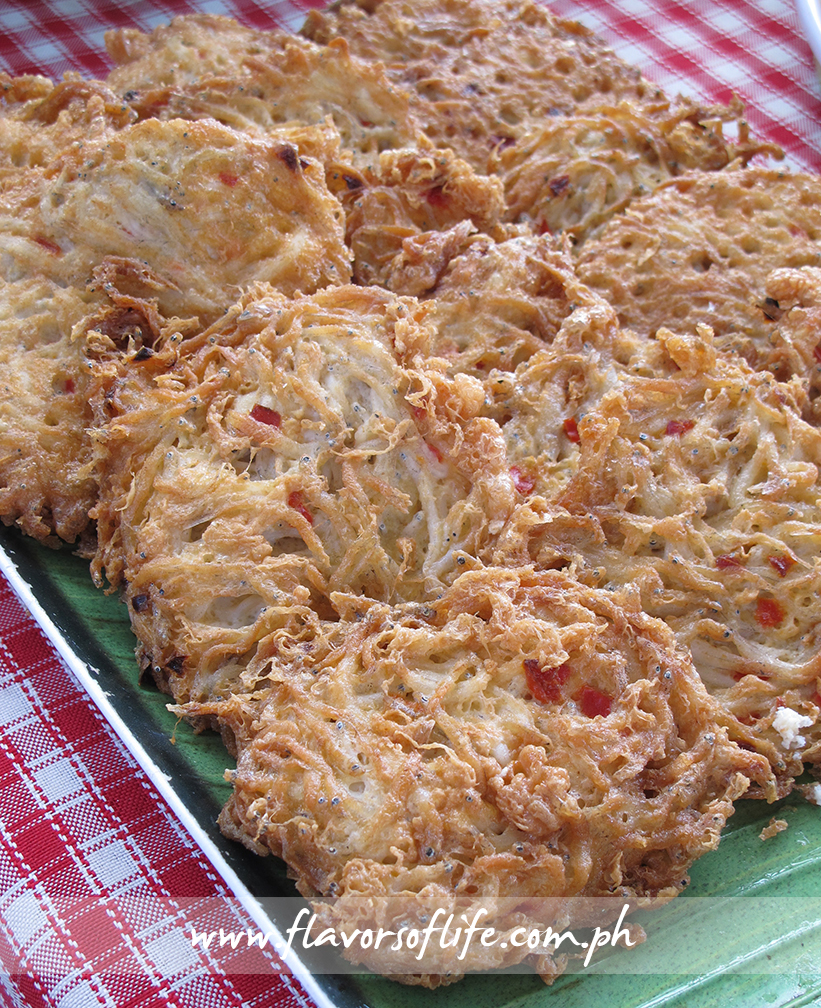
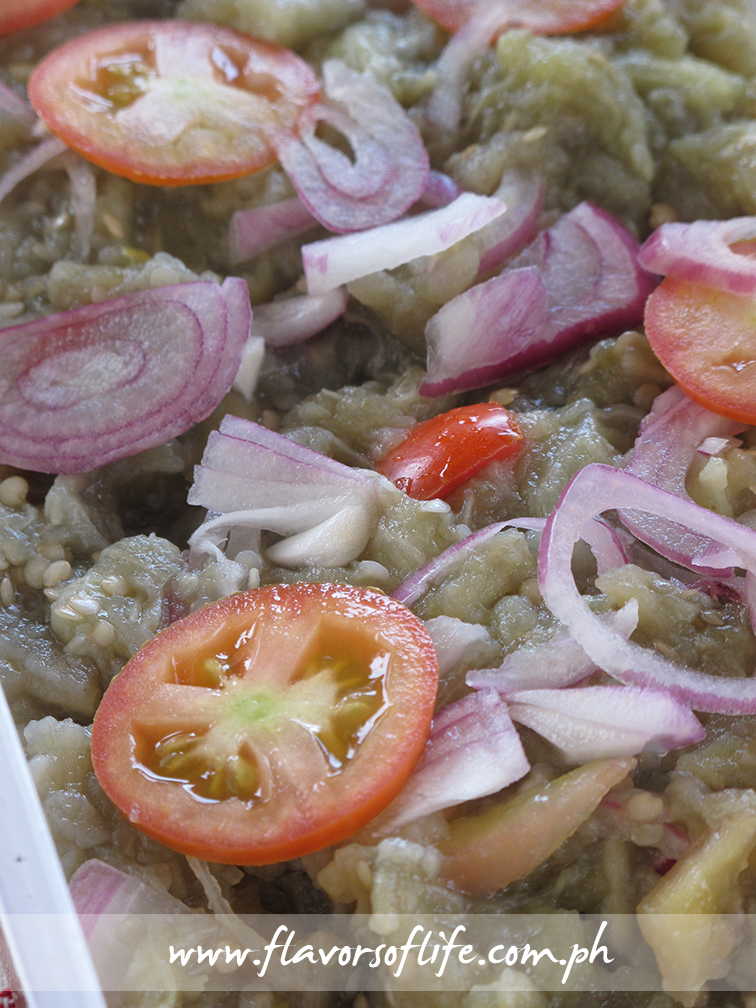
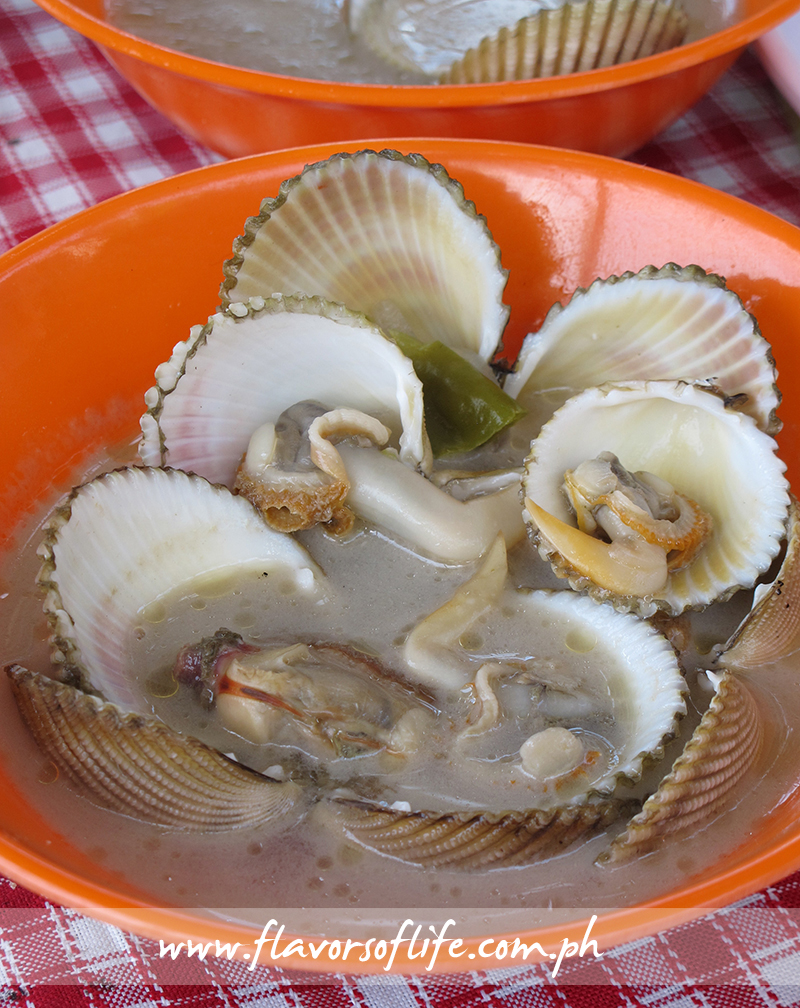
The island itself is beautiful, with interesting rock formations adding more character to it. Diving and snorkeling trips can be made more convenient when arranged with local tour guides like Angelo, who takes charge of arranging the snorkeling equipment (complete with life vests, booties and towels) as well as food for lunch. We had a great lunch by the beach, under the shade of nipa leaves, with a menu that included Fresh Lato (seaweeds), Dulong Okoy (crunchy patties made of tiny dulong fish and batter), Chicken Barbecue, Adobong Pusit, Sinuglaw (combination of sinugba or grilled pork and kinilaw or fish ceviche), Eggplant Ensalada, Clam Soup and Boiled Sweet Corn. The Lechon from Malatapay Market was laid out on the table as well.



Apo Island has two resorts, Apo Island Beach Resort and Liberty’s Lodge, both of which have their own dive centers. Guests can actually stay overnight on the island, as there are room accommodations available, but electricity is only up to about 10:00 or 11:00 p.m. Most foreigners do not mind, as it reminds them of Boracay Island when it was still raw and relatively untouched. Some local tourists also sometimes choose to stay overnight and experience the island as it is — minus the trappings of modern living.
As for the group, we opted for a day tour, as there’s still plenty of other places in Dumaguete that we wanted to explore during our three-day stay. That — all that — we got to do, thanks to the generosity and awesome hospitality of Sta. Monica Beach Club, our cozy and comfy home in Dumaguete City.
I hope to be back in Dumaguete City someday.


