THESE days, you don’t have to go all the way to Vigan, Ilocos Sur, to experience walking down the cobblestone-paved roads of the Philippines centuries past. Tucked in the southwestern part of the province of Bataan, in the quiet town of Bagac, is Las Casas Filipinas de Acuzar, a heritage resort that aims to showcase the cultural heritage of the Philippines during the 18th and 19th centuries.
A project of New San Jose Builders, which is owned by art collector Architect Rizalino ‘Jerry’ Acuzar, Las Casas Filipinas de Acuzar showcases Filipino heritage in the form of beautiful homes built during that significant period in Philippine history when houses were inspired by Spanish architecture. Old houses, once owned by the social and economic elite of that time, have been carefully preserved by being carefully taken apart, transported to the sprawling 400-hectare property of Las Casas in Bataan, and then painstakingly re-assembled and restored to their former glory – brick by brick, plank by plank, then finished with murals of paintings rendered in fiberglass detail and mounted on the wall or the ceiling.

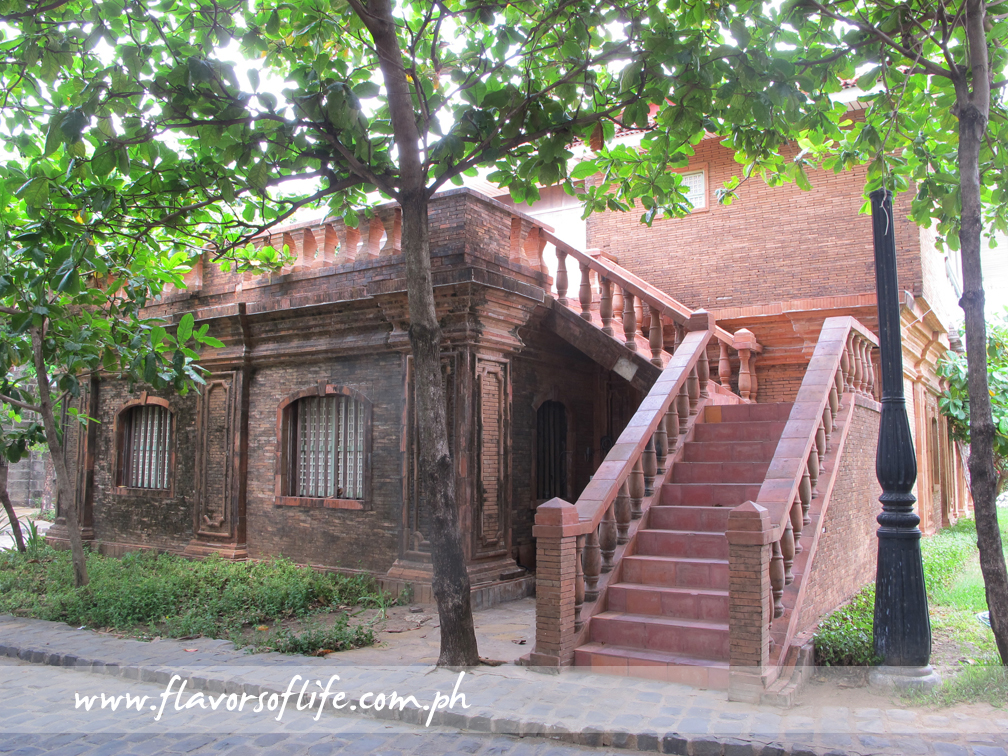
There are about 27 of them which, by just looking at them, reflect the customs, traditions and practices that existed during that bygone era. Capiz windows, staircases with sinuous balustrades or balconies, carved details on the windowsills and ceiling… Looking at them is like gazing into the past and walking down history lane.
HISTORICAL HOUSES
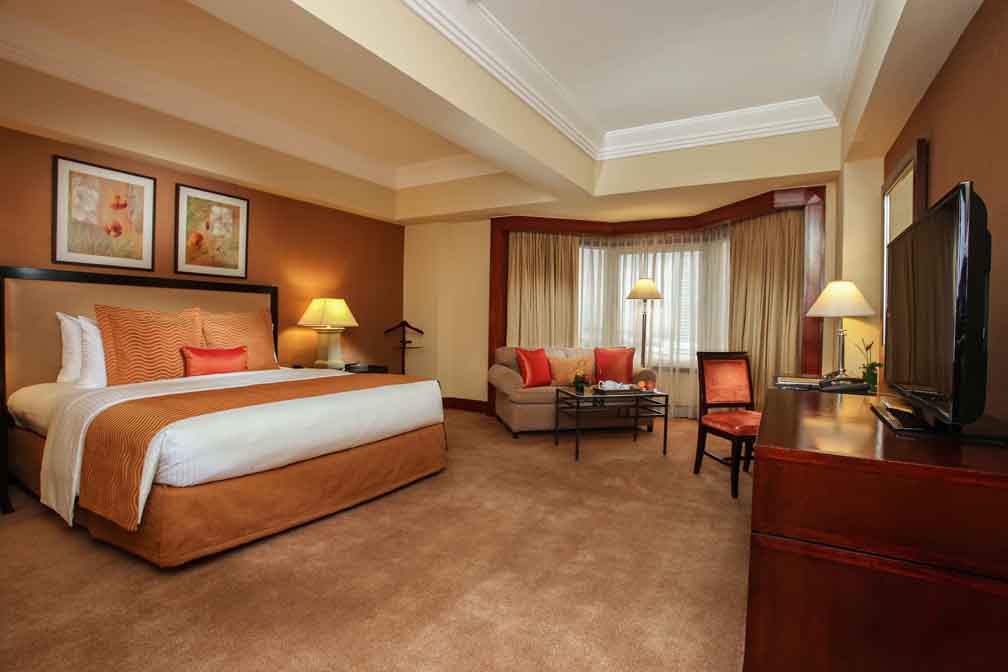
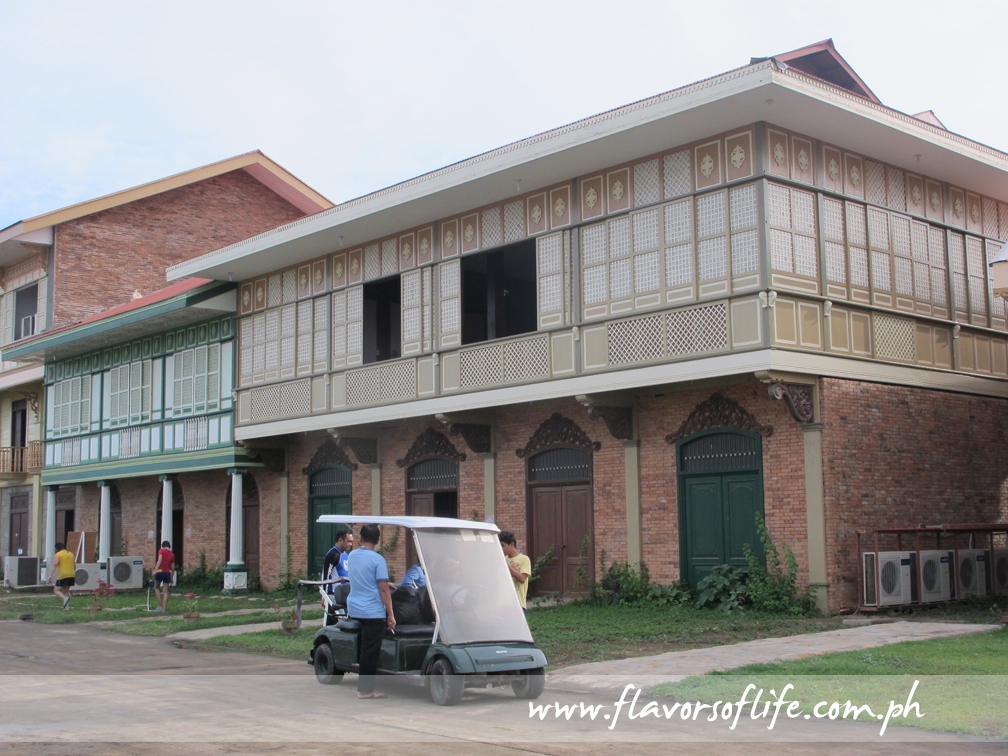
First up is Casa Bizantina, a bahay na bato built in 1890 at the corner of Madrid and Penarubia streets in San Nicolas, Binondo, Manila. It’s the first three-storey house, which reflects the Neo-Mudejar style of architecture of its time. Created by Don Lorenzo del Rosario, a native principalia and a building contractor in Binondo during his time, Casa Bizantina became a school from 1914 to 1919 then leased to several tenants before it became home to 50 squatter families. Demolished and transferred to Las Casas Filipinas de Acuzar in Bagac, Bataan, Casa Bizantina now serves as the main hotel in the heritage resort. A fiberglass-rendered replica of a Fernando Amorsolo painting now adorns the wall and another, this time a painting by Botong Francisco, is mounted on the ceiling for guests to admire.
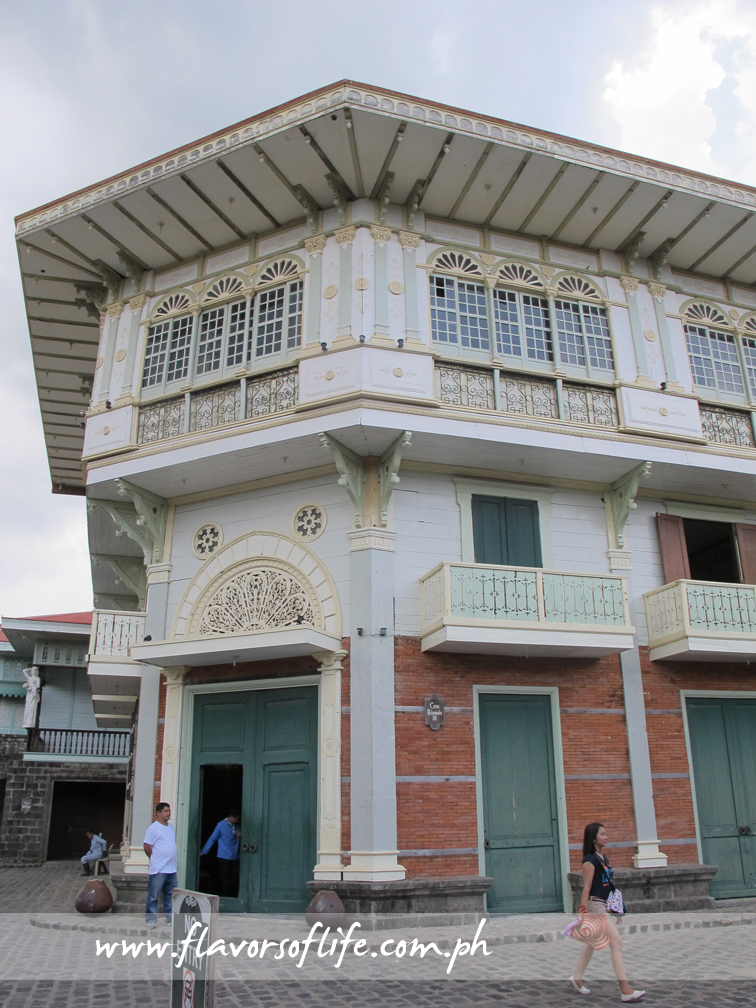
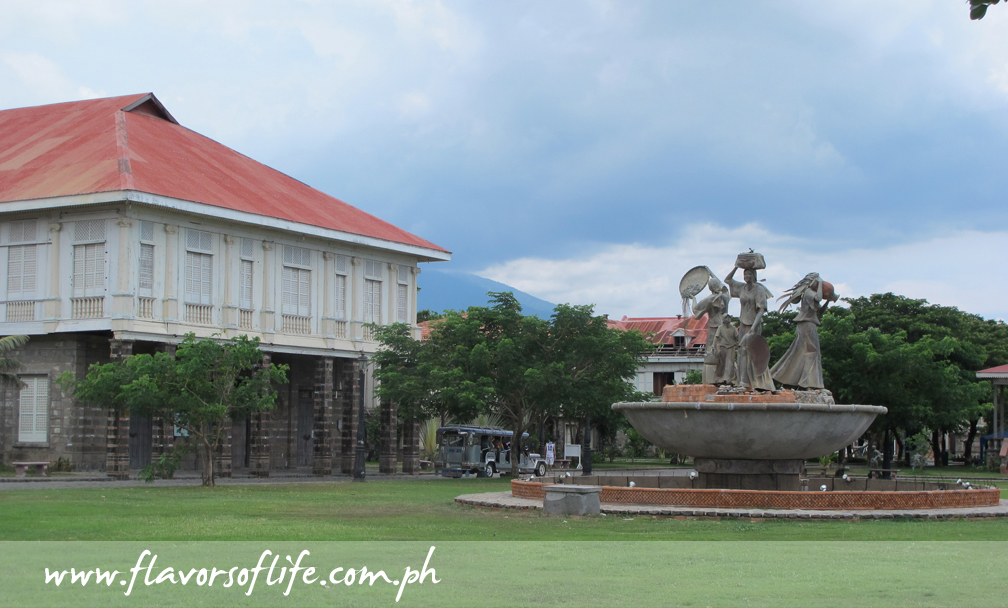
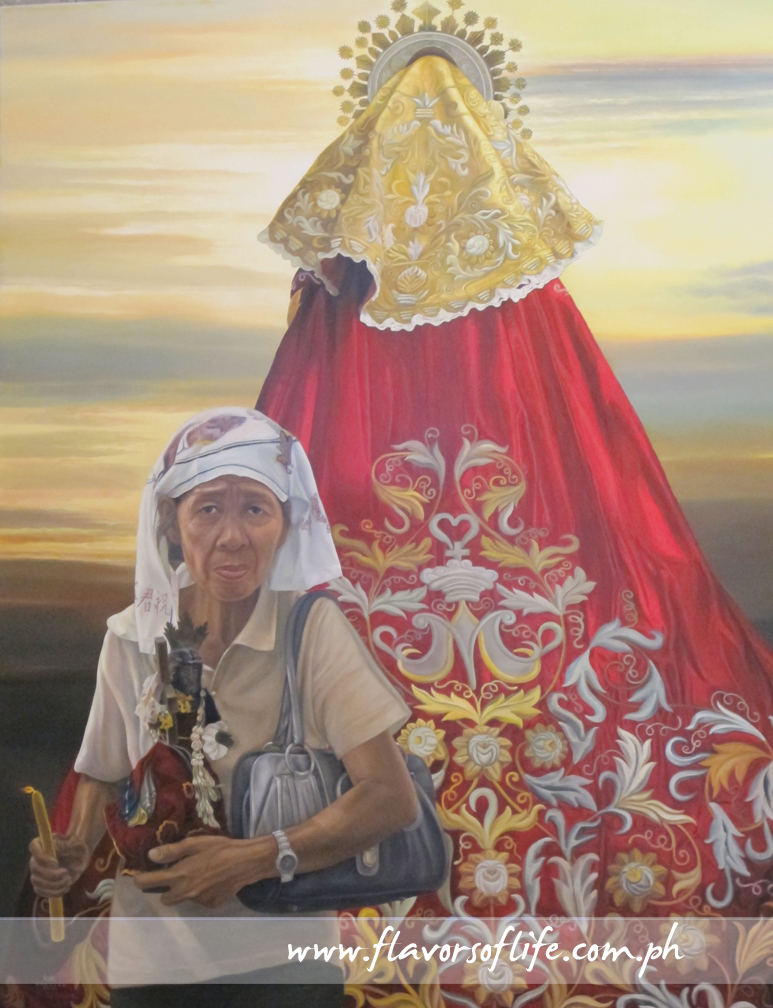
Other historical houses that now stand in Las Casas Filipinas de Acuzar include Casa Quiapo, built in 1867 and owned by Don Rafael Enriquez, which was given to the University of the Philippines and became the first Fine Arts school from 1908 to 1926. It now houses the heritage resort’s museum, which has oil paintings, mixed media, intermedia and installation works by such artists as Renato Habulan and Alfredo Esquillo Jr. on display, among others.
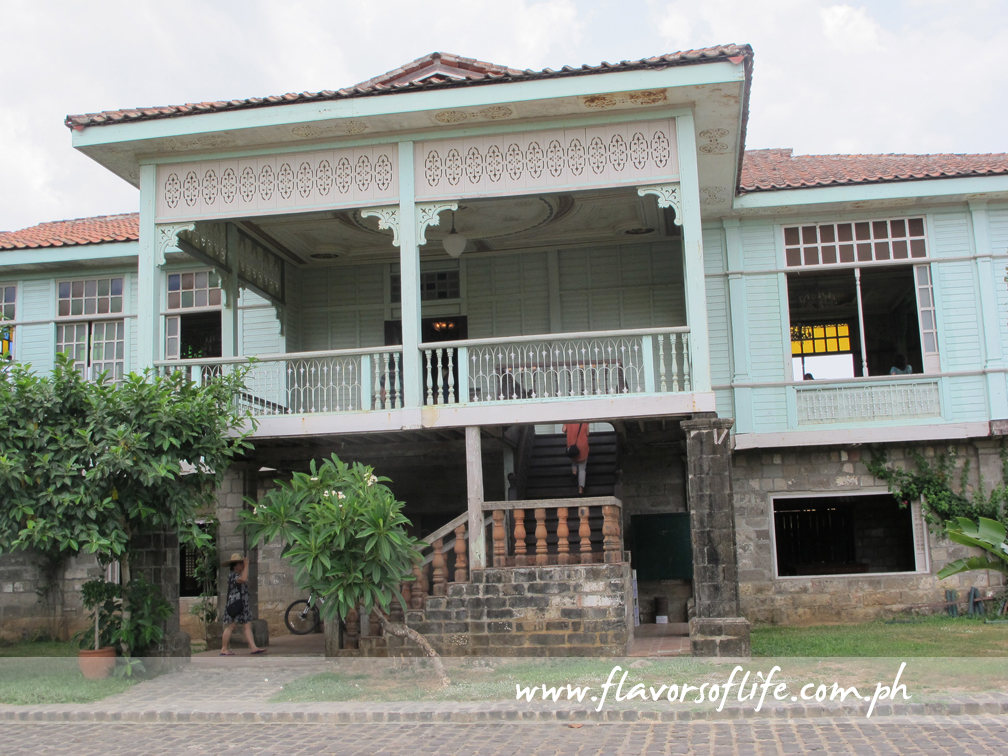
Another historical house worth visiting is Casa Lubao, which used to be the ancestral house of the Valentin Arrastia and Francisca Salgado clan. Built in the early 1900s, it was a plantation house that stood directly in front of the Lubao Municipal Hall in Lubao, Pampanga, and was used as a garrison during the Japanese occupation.
Then there is Casa Biñan, a two-storey house originally built by Gregorio Alonzo in front of the Biñan Plaza in Laguna in the 16th Century. The ownership passed on to one of his sons, Cipriano, who happens to be the maternal grandfather of our National Hero, Dr. Jose Rizal, because Cipriano Alonzo’s son was Lorenzo Alberto, who later had a daughter named Teodora Alonzo, Rizal’s mother who eventually inherited the house and expanded it in the 18th century. After many changes of ownership and controversy in the Alberto household, the house was converted into a movie house known as Cinema Ligaya, but after a portion of the property caught fire and age caused the house to deteriorate significantly, the last owner, Gerardo Alberto, decided to donate what was left of the house to Jerry Acuzar, who then transported it to Las Casas Filipinas de Acuzar in Bagac, Bataan, restored it and called it Casa Biñan.
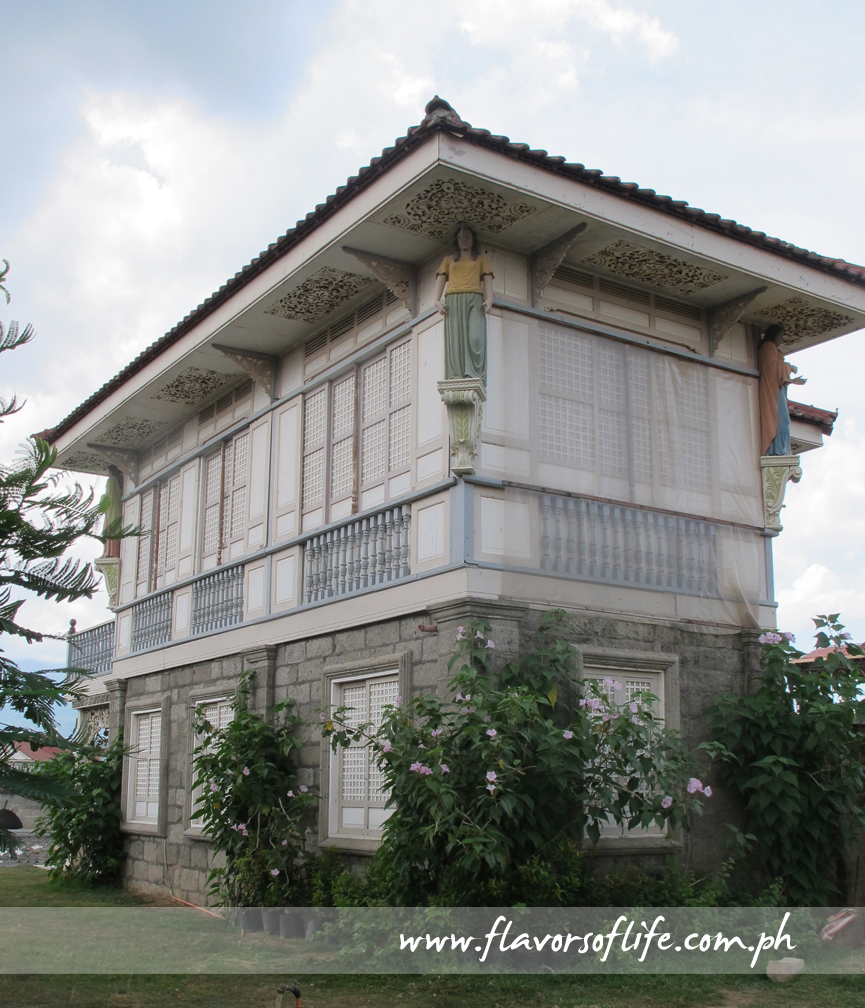
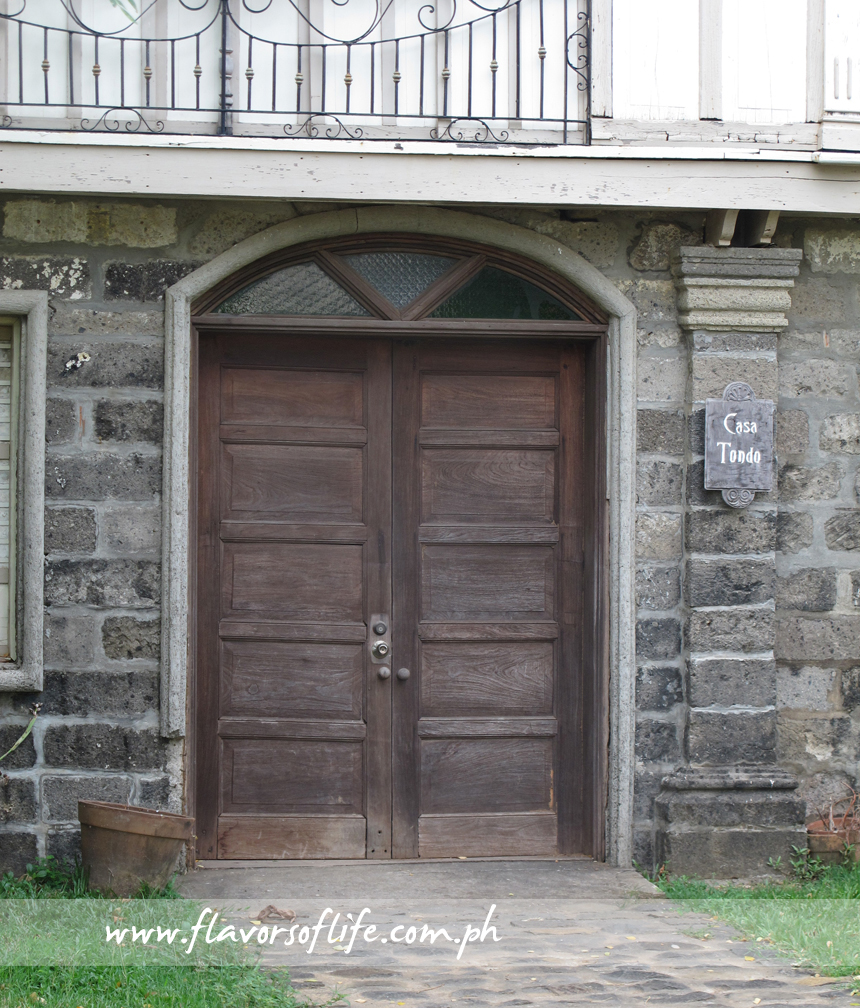
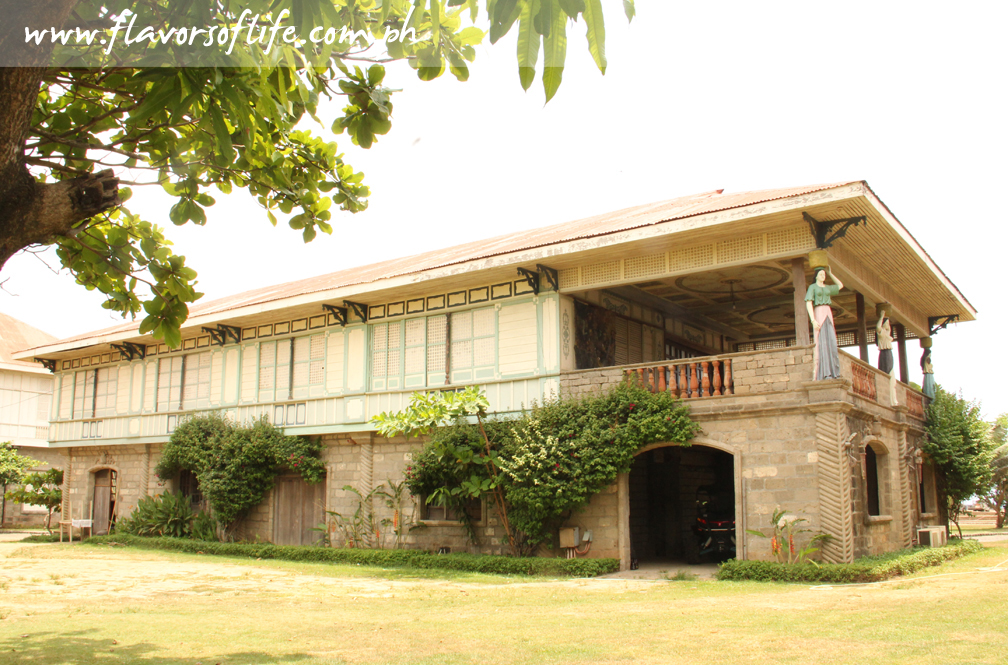
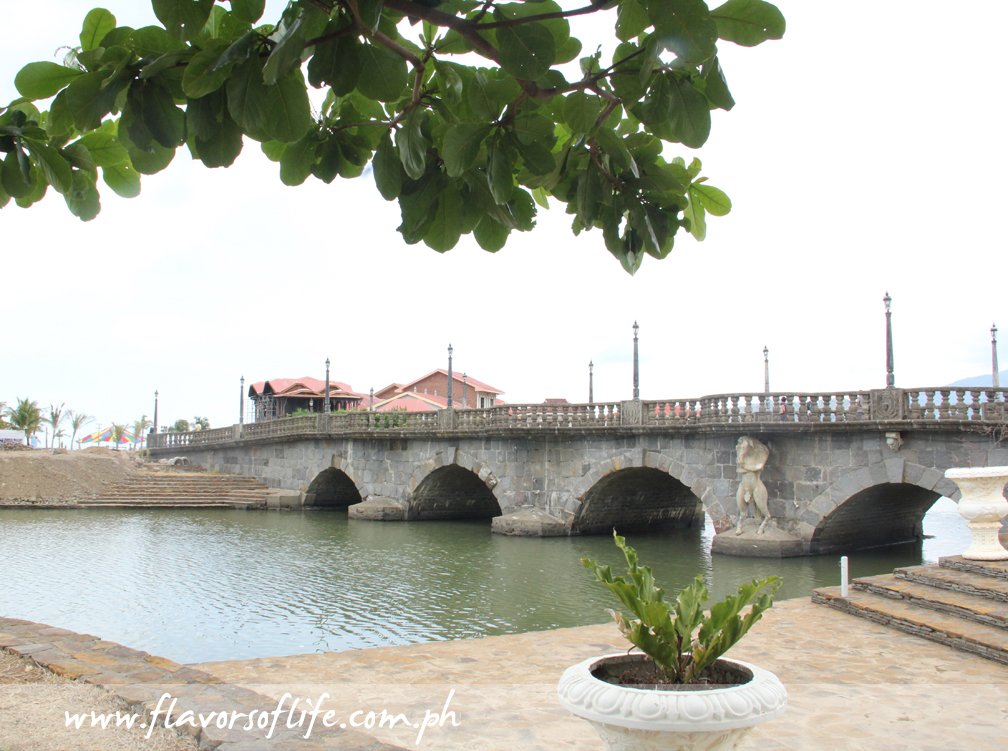
So many other historical houses have been restored and preserved in the beautiful Las Casas property in Bagac, which is so rare and special as it is surrounded by rice fields by the entrance, the Umagol River cutting across the property and allowing beautiful bridges to be built, and the a beach area fronting the West Philippine Sea.
Towards the main church, which is now being built on a man-made islet sitting along a wide area of the Amagol River, one can see mountain ranges. So it’s sand, sea, river, rice fields and mountain ranges all around Las Casas.
HERITAGE RESORT
Guests have been flocking to Las Casas Filipinas de Acuzar to marvel at the beautiful heritage houses that have been restored and preserved in all their glory, even embellished with artworks and trimmings that have added even more charm to them. It pays to have an architect own the place because the property development had been carefully planned out and the heritage houses spread out and situated harmoniously around the property. The houses are able to breathe through open spaces such as Plaza Atienza, Plaza Belmonte, Plaza Mayor de Tobias and Plaza Marcelino.
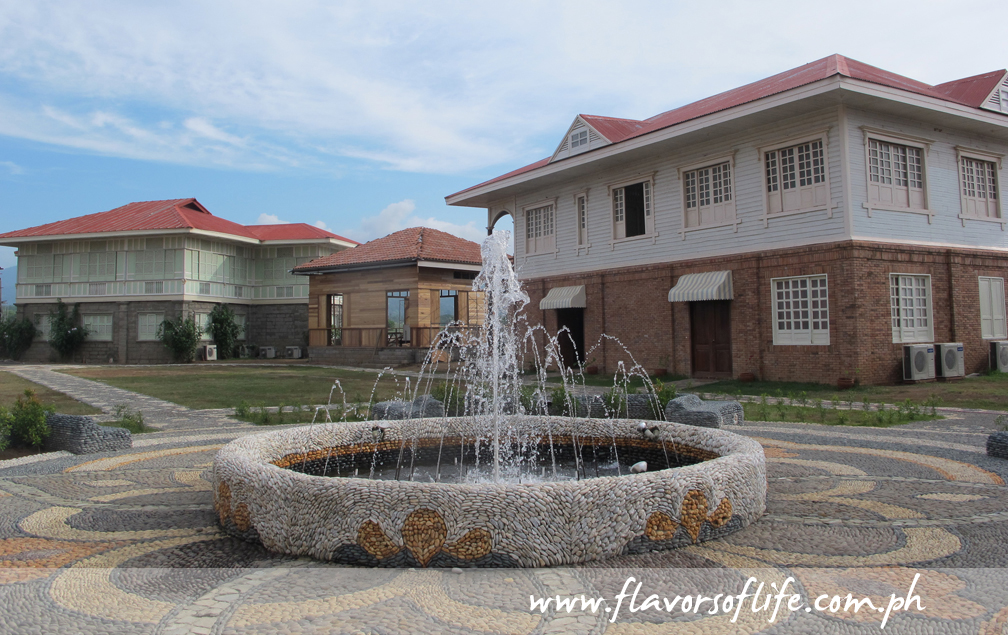
A number of guests choose to stay at the main hotel, which is Casa Bizantina, or at the adjacent Paseo de Escolta, whose rooms have been designed to accommodate from two to eight persons. Other bigger groups – families, corporate groups on an outing or team-building seminar, and groups of friends – opt to stay in heritage houses, such as Casa Baliuag (with two bedrooms), Casa Binondo 1 (four bedrooms), Casa Binondo 2 (three bedrooms), Casa Jaen 2 (five bedrooms), Casa Meycauayan (five bedrooms) and Casa San Miguel (six bedrooms), some of which are located in the main property and some of which can be found across the bridge by the beachfront.
Other heritage houses are in the process of being restored, brick by brick and wood plank by wood plank, and embellished with carved panels and fiberglass-finished paintings produced by Las Casas’ team of carvers, painters, artists and brick-makers in the workshop area found right outside the entrance.
Near the beachfront, where a community is being built around Plaza Marcelino, the Estero de Binondo building is still in construction for additional rooms for Las Casas. A replica of Hotel de Oriente, which was the considered as the most beautiful building in the Philippines during its time, is also being built along the scenic main bridge to serve as Las Casas’ convention center when completed.


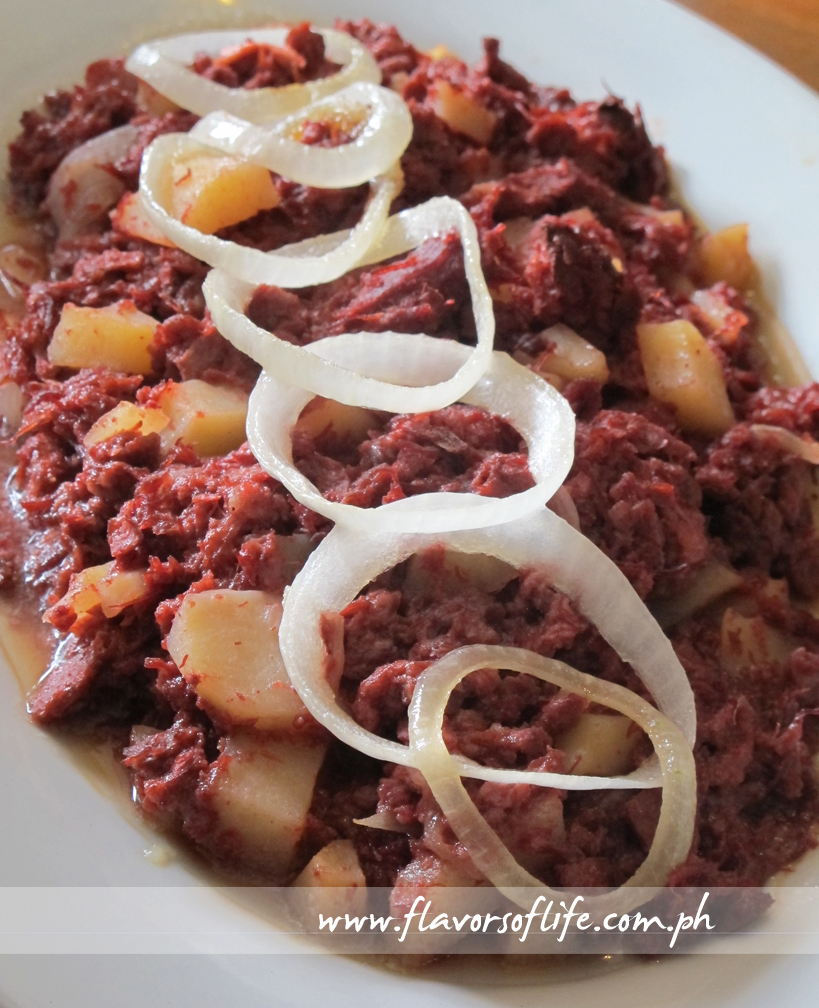
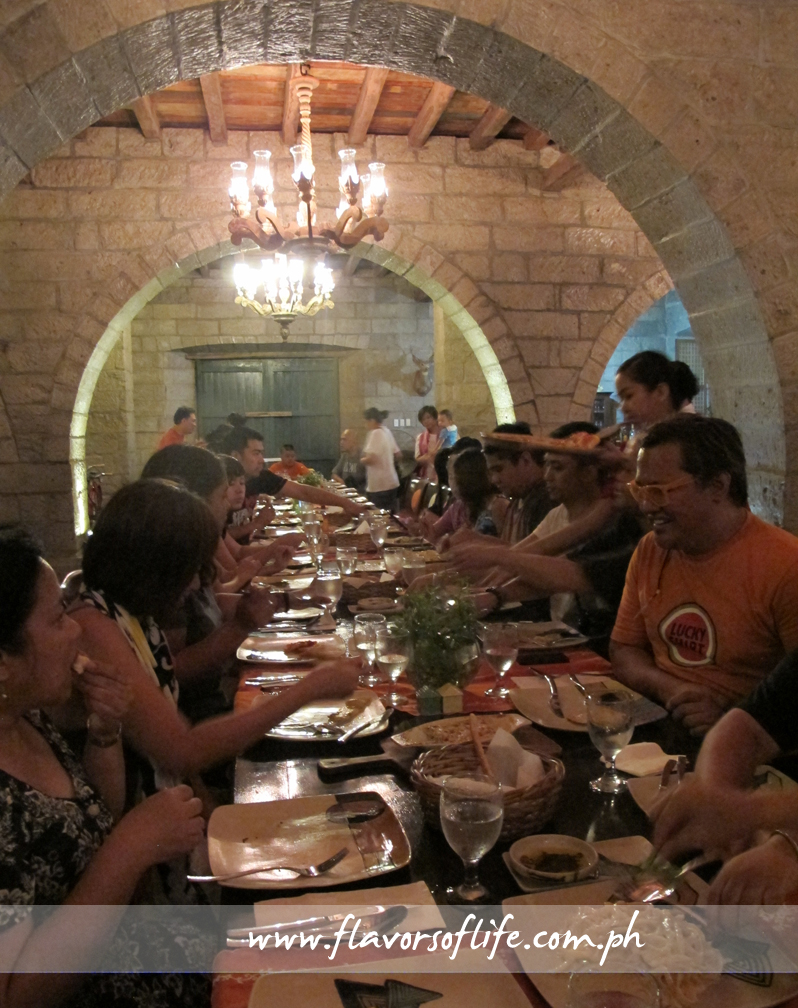


Accommodations booked at Las Casas Filipinas de Acuzar come with set breakfast at Café Marivent, which is housed at Casa Unisan, one of the heritage houses that have been transported and restored at Las Casas. Other meals, meanwhile, can be had at either Café Marivent or at the Italian-Spanish restaurant La Bella Teodora housed at Casa Biñan.
LOTS OF ACTIVITIES
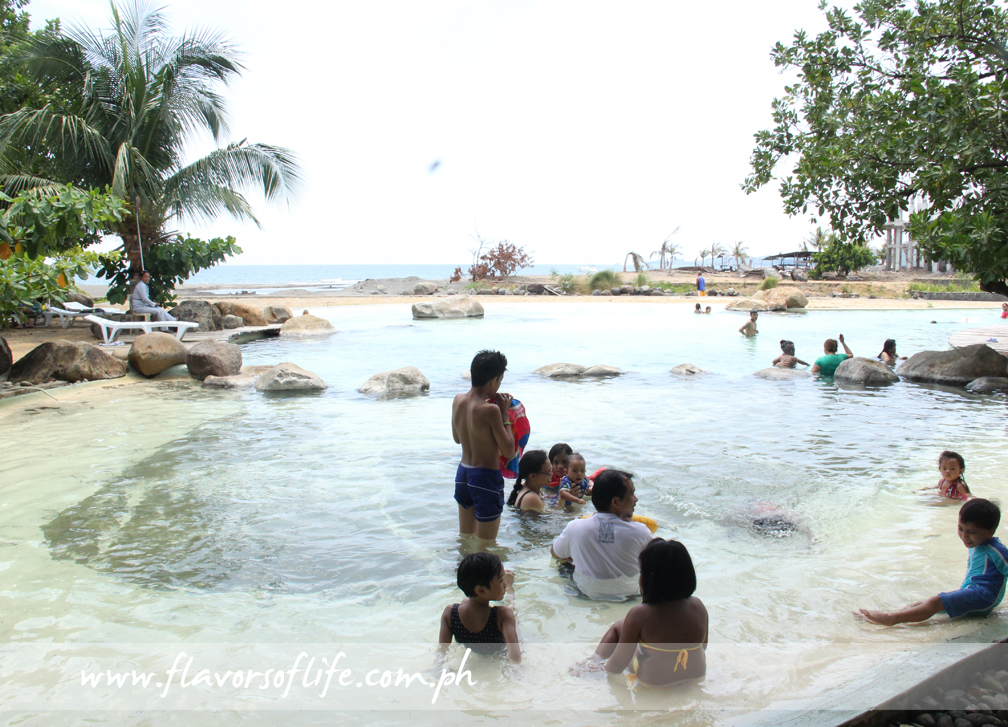
For guests who are looking for leisurely activities to engage in while staying at Las Casas, walking tours of the property can be arranged. There’s also a swimming pool, and guests can take advantage of the place’s 2-kilometer beachfront.
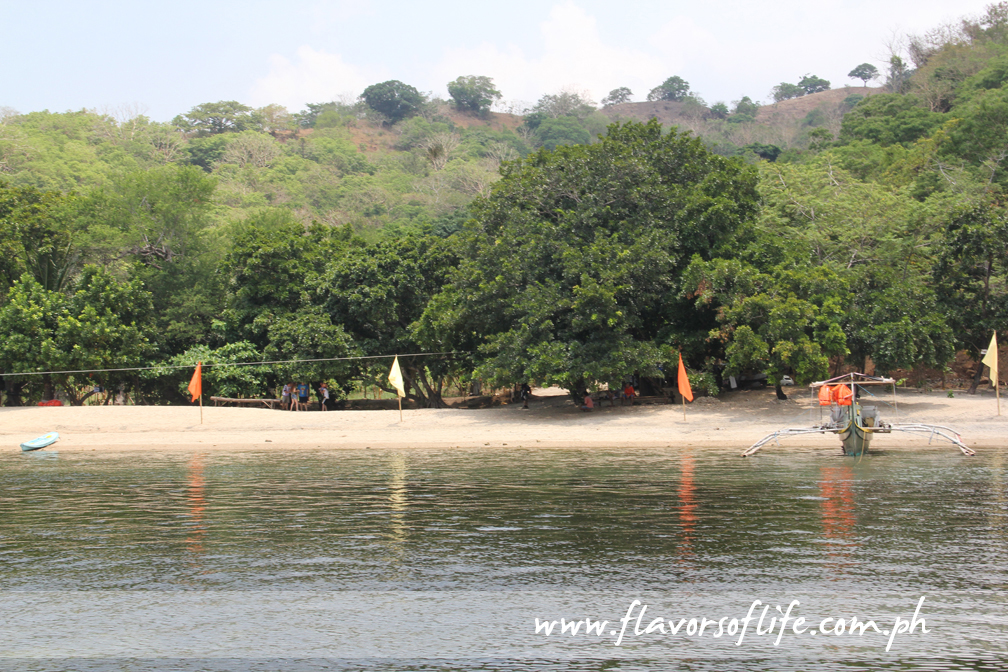

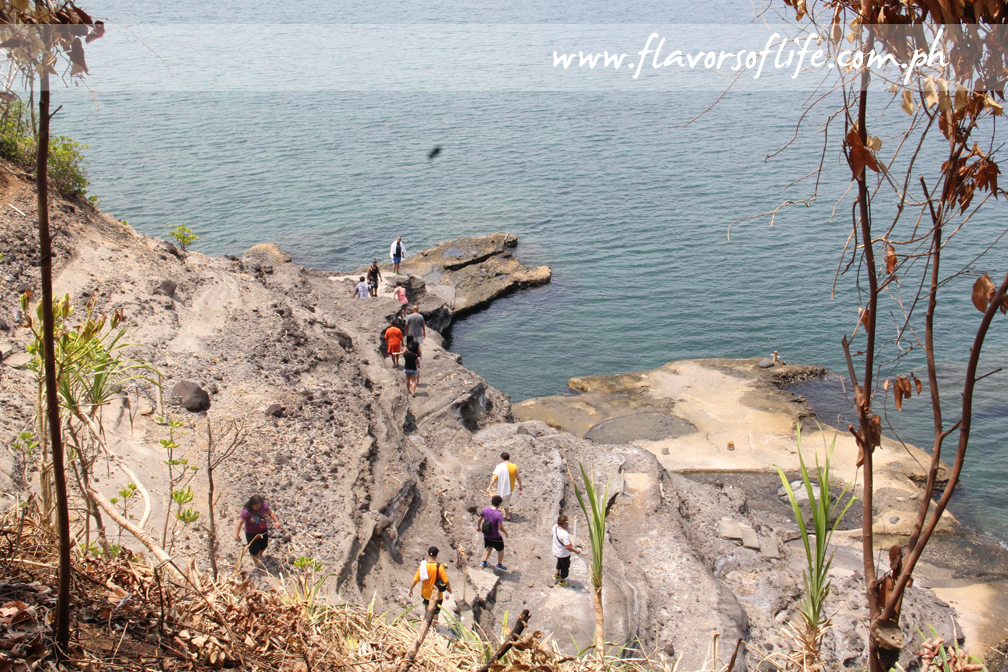
For more adventurous pursuits, Princeps, led by Engineer Dennis Morada, has developed an eco-adventure park near the area, which is just a few minutes’ boat ride from Las Casas. Here, guests can experience trekking, hiking, zip-lining and cliff diving. In the future, it will also feature a water sports hub where guests can go windsurfing, paddle-boating, jet-skiing, kayaking, wake skating, kite-gliding, skim-boarding and paragliding. Facilities will also be in place for other leisurely adventures soon.
Las Casas Filipinas de Acuzar has actually been open to the traveling public for many years now, yet it remains to be a work in progress. Construction goes on to provide more accommodations and amenities for guests. Heritage houses continue to be restored, preserved and embellished. A walk through its cobble-stoned roads resonates with the look and feel of centuries past, melding the glorious past with the beautiful present and a promising future.
(Las Casas Filipinas de Acuzar is located at Barrio Pag-asa, Bagac,Bataan, with telephone numbers 546-9123 and 0917-8729371. Manila Sales and Reservations Office can be found at the Mezzanine Floor of Victoria Towers, 78 Timog Ave., Quezon City, with telephone numbers 332-5338, 355-3032, 332-5286 and 0917-8729361.)