I DID it. Make Chicken Adobo Paella, that is. After making shortcut Paella Valenciana using Menudo Mix, as I learned in an interactive cooking session with Knorr, and then Chicken Tinola Paella following the instructions of the late great Chef Ed Quimson, I promised my FB friends I would next attempt to make Chicken Adobo Paella, and just recently I did. I followed the shortcut style that I learned from Knorr, this time using Adobo Mix, and it worked.
So, without further ado, I present to you the recipe for my Chicken Adobo Paella. Enjoy!
3 tbsps. olive oil
4 pcs. chicken legs or 3 pcs. chicken drumsticks, leg and thigh separated
5-6 cloves garlic, crushed
1-1/4 cups Japanese rice
1 pouch Knorr Adobo Mix (35 grams), dissolved in 3 cups water
1 tbsp. peppercorns
2 bay leaves
2 sprigs rosemary (optional)
1 hard-boiled egg, peeled and sliced or cut into wedges
1. Heat olive oil in paellera or saute pan. Brown the chicken parts on all sides, then remove.
2. Using the same oil, saute garlic for about 2 minutes. Add Japanese rice, and saute for another 2 to 3 minutes, making sure that the grains are all covered with oil. Add browned chicken, and pour in most of the adobo mix dissolved in water. Sprinkle with peppercorns, add bay leaves and rosemary sprigs (if desired), and bring to a boil.
3. Cover with aluminum foil and cook over low heat.
4. Check paella after 15 minutes. The paella would be dry or almost dry at this point, so pour in remaining adobo mix dissolved in water. Drizzle with a little more olive oil, cover with foil again, and continue cooking for about 10 minutes.
5. When paella is done, remove aluminum foil, top paella with hard-boiled egg slices or wedges, and serve.
I HAVE always loved Bohol – ever since I first set foot on its soil several years ago – and I have been quite fortunate to see it from different angles and enjoy it in different ambiances.
The first time I was there as part of a small media group, I stayed in a resort in Panglao that wasn’t too far from Alona Beach, where all the action took place, but didn’t have its own beachfront. The place had its own charms, though, and privacy was uncompromised. During that visit, I got to see the traditional tourist attractions of Bohol, including the Chocolate Hills, the Tarsier Conservation Area, the Man-Made Forest and the historic churches of Bohol, and got to experience the Loboc River Cruise and the Firefly Tour along Abatan River.
The second time I was in Bohol was late last year (2013), and I got to stay in an expansive beachfront property that built its accommodations horizontally to give its guests an island living experience. It had an awesome stretch of white-sand beach, a semi-infinity pool, and a mini Man-Made Forest, among other attractions. During our stay, I got to experience dolphin watching, island hopping and picnicking on Pamilacan Island, visit the Bohol Bee Farm, and witness the devastation wrought by the Magnitude 7.2 earthquake on the historic chuches of Bohol. My husband Raff even got to scuba-dive with some of the guys in the group.
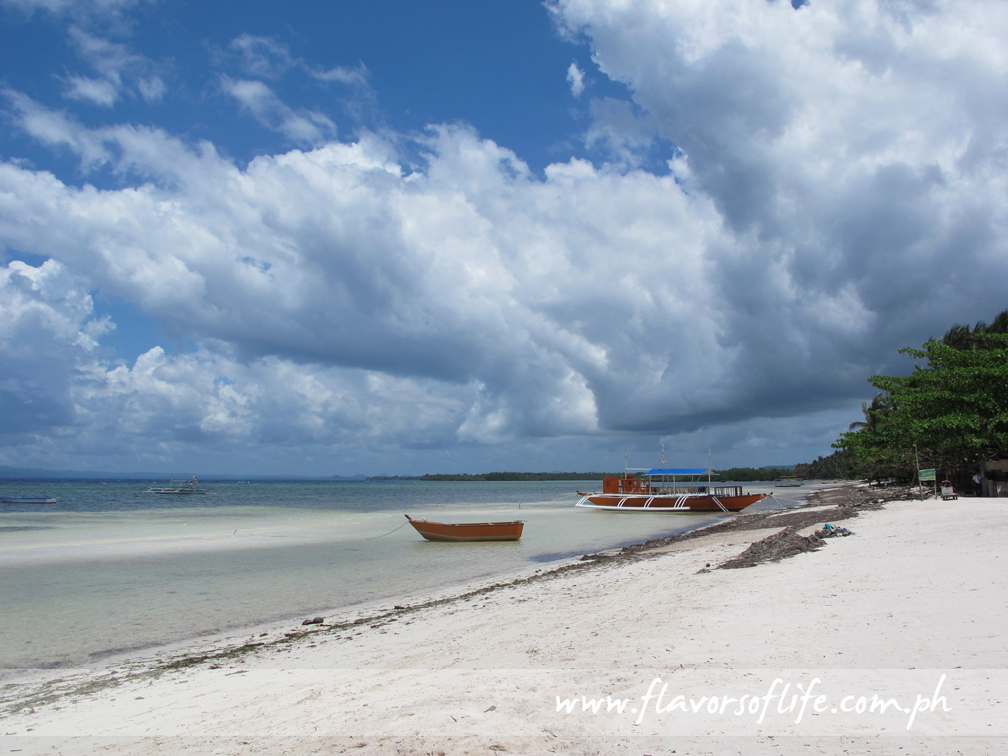
View of The Bellevue Resort Bohol from the sea
The other side of The Bellevue Resort Bohol’s shoreline
Last March (2014), I got to visit Bohol again with another media group, and we stayed at the luxurious The Bellevue Resort Bohol on Panglao Island. It’s a hotel-type resort development. Although, being a hotel, the development is more vertical than horizontal, the resort owners consciously kept the hotel within four floors and incorporated some elements of island living into the development, including an al fresco native pavilion that houses the al fresco restaurant Marea on the ground floor, the Cena oceanview function room for private functions and dinners on the second floor, and the Azurea Spa, Gym and Game Room on the basement level. This time around in Bohol, I got to just stay in the hotel-resort and enjoy it at my own leisurely pace in the company of Raff, of course, charming publicist Suzette Morelos, Manila Bulletin’s Business Agenda editor Gina Abuyuan, Business Mirror’s Dennis Estopace, Travelife’s Gel Bayona, and Wedding Essentials’ Erron Castillo.
FIVE-STAR LUXURY
I have always wanted to visit The Bellevue Resort Bohol. The Chan brothers behind the Bellevue Group, particularly corporate director for marketing and communications Ryan Chan, had been talking about it even before the resort opened. The Chan family, led by its visionary chairman, Johnny Chan, is behind The Bellevue Hotels and Resorts, which includes The Bellevue Manila and B Hotel, both located in Alabang, Muntinlupa City. The two hotels South of Metro Manila had been running smoothly and successfully for several years when the Chan family decided to build a hotel-resort in Bohol and bring the signature Bellevue brand of five-star hospitality and service to Bohol.
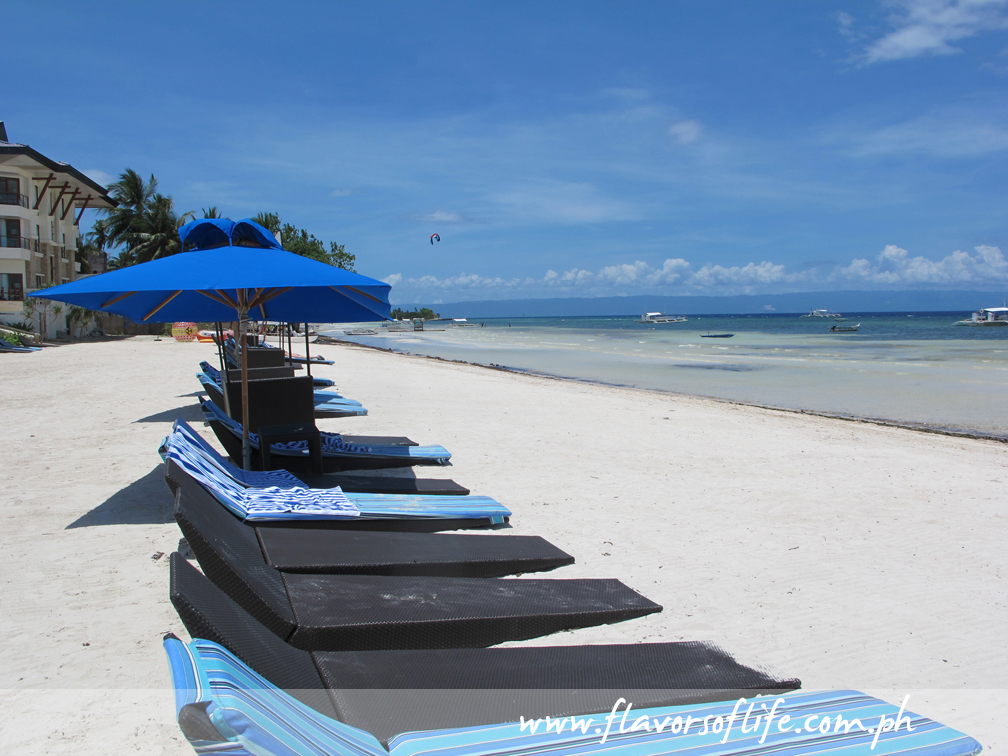
The shoreline of the luxurious resort
Infinity pool with an elevated platform for sunbathing and diving
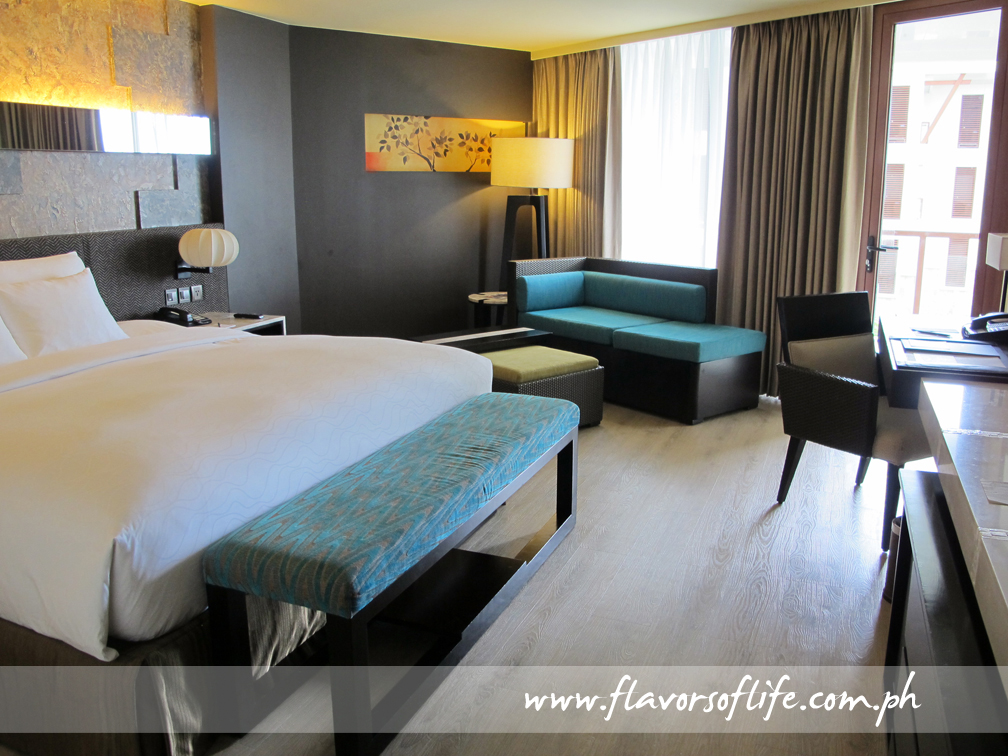
Each guestroom in the resort hotel has lovely interiors
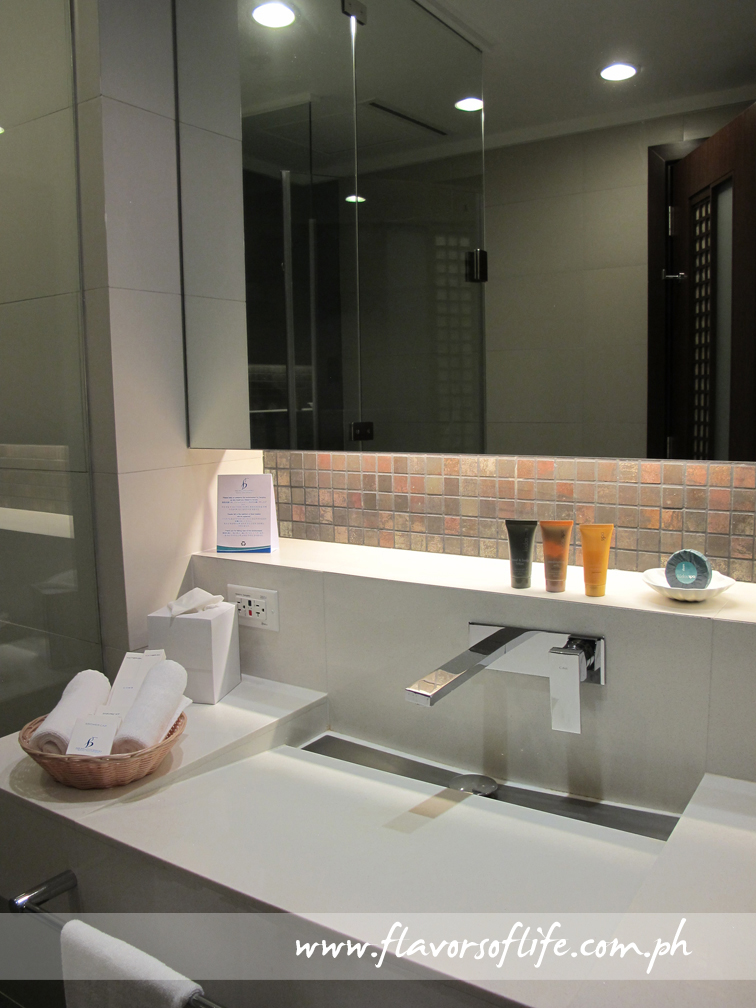
Toilet/bath of a guestroom
While most resorts on Panglao Island are crowding the northern part of the island, The Bellevue Resort is quietly tucked away in the relatively secluded and serene Doljo Beach at the southwestern tip of Bohol’s prized tourist getaway. It’s a convenient 25- to 30-minute ride from Tagbilaran Airport, and the beautifully masterplanned development is nestled in an expansive 3.5-hectare property. It boasts of luxurious guestrooms with picturesque views of the ocean across the peninsula of Doljo. There are a total of 159 guestrooms, with room choices ranging from the Presidential Suite (all of 222 square meters), Bellevue Suite (1-bedroom suite with Jacuzzi), Premiere Suite (2-bedroom suite) and Junior Suite (1-bedroom suite) to Deluxe Room and Deluxe Room with Ocean View.
The Bellevue Resort has a lovely infinity pool sitting in the center of the development. The pool has an elevated platform for those who want to sunbathe, and an area has been dedicated to a dive pool, where a dive master can orient his group of divers on the essentials of diving before bringing them out to sea.
Right in front of the pool is a good stretch of white-sand beach, where lounge chairs have been set up for guests to use should they want to sunbathe or simply lounge around, relax and enjoy the view of the ocean. The beach is so calm and shallow that you can wade in several inches of water out at sea, several meters away from the shore, and enjoy the view of the vast expanse of the resort and feel safe. Out further at sea, you can enjoy several watersports activities.
AWESOME FOOD
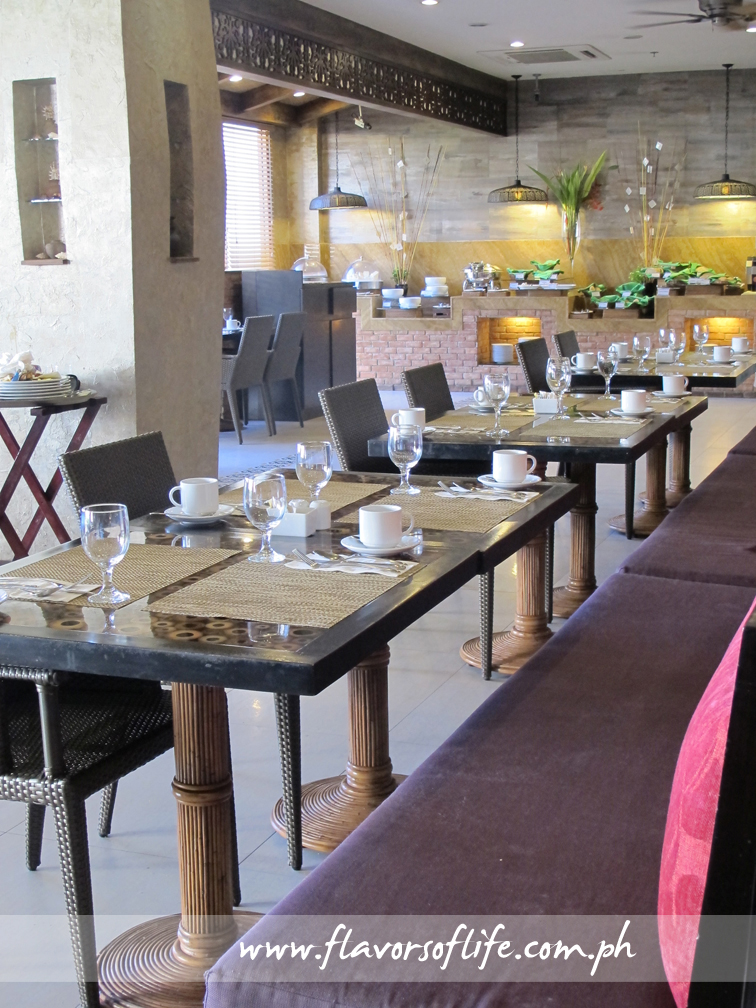
At The Bellevue Resort, dining is one of the best pleasures that guests can certainly enjoy. There are two main dining facilities, the Marea, which serves a la carte international favorites in an al fresco environment, and the Lamian, which offers all-day international buffet and a la carte dining. Marea is housed in the al fresco pavilion that looks out to sea, while Lamian is on the ground floor of the East Balai Wing of the resort.
The Bellevue Salad
Grilled Bangus Belly with Laing
Lechon Kawali
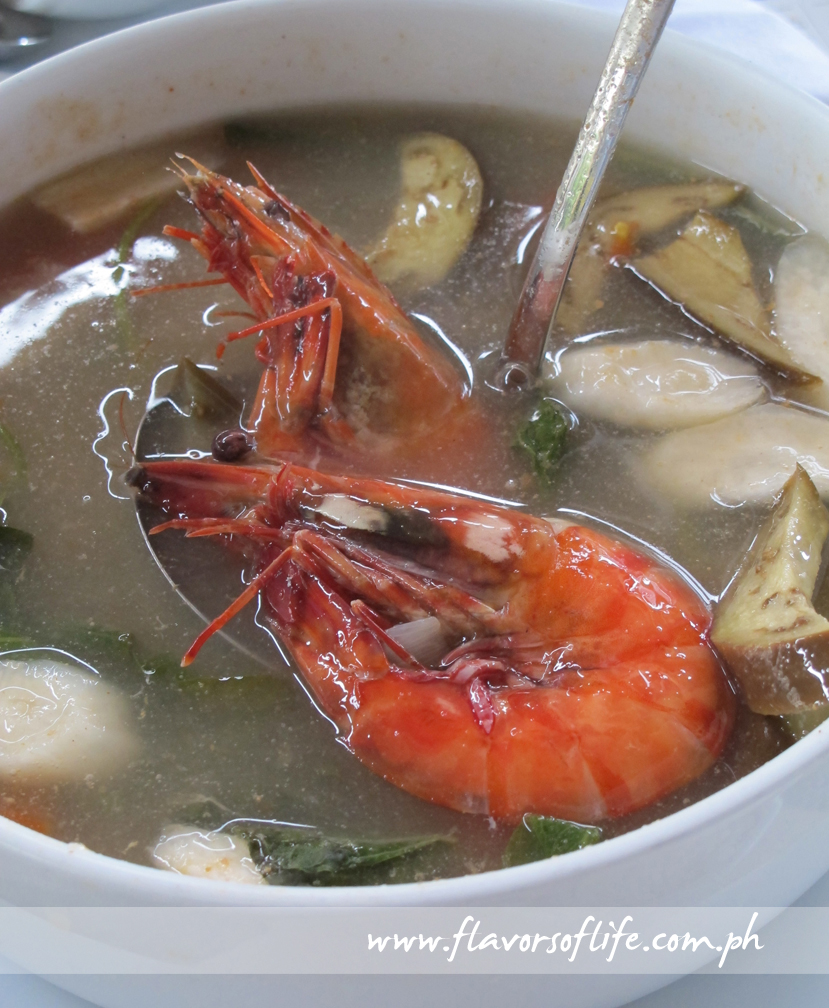
Prawn Sinigang
Salt and Pepper Squid
Grilled Prawns with Garlic
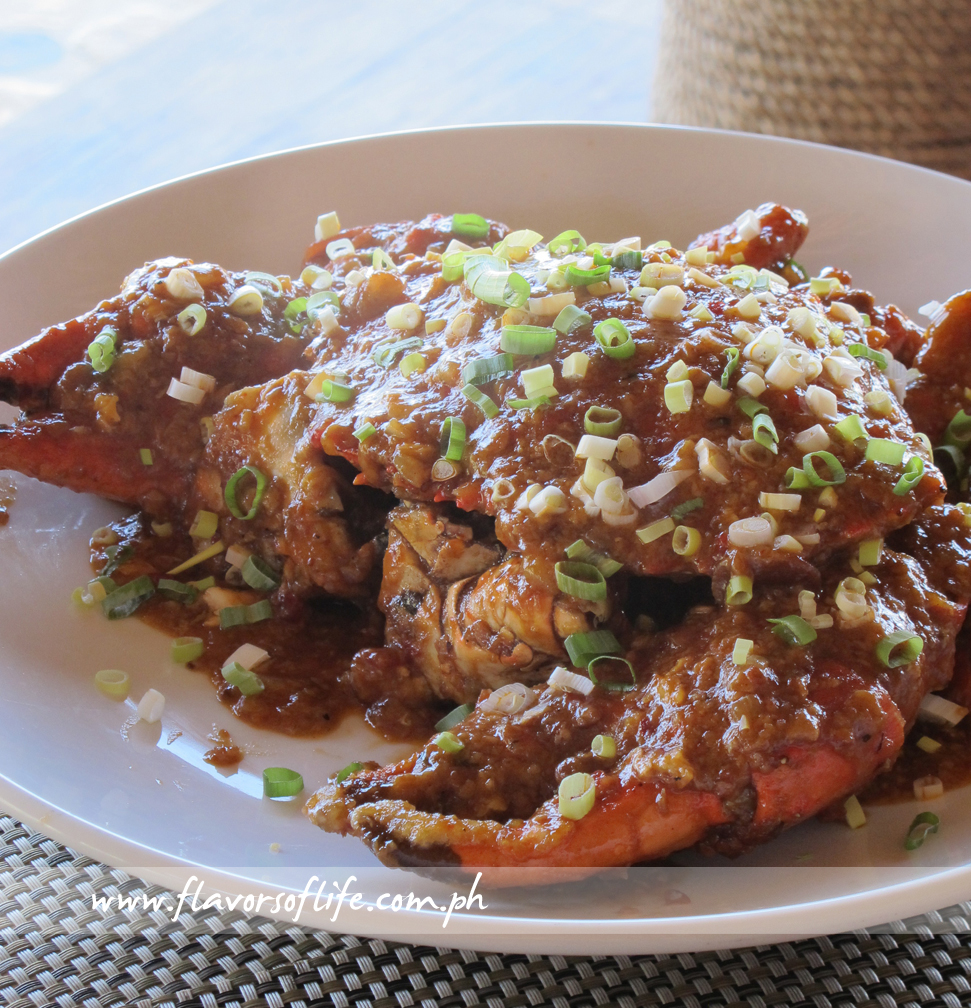
Chili Crabs prepared from Marea’s Fresh Catch of the Day
Lamian Restaurant
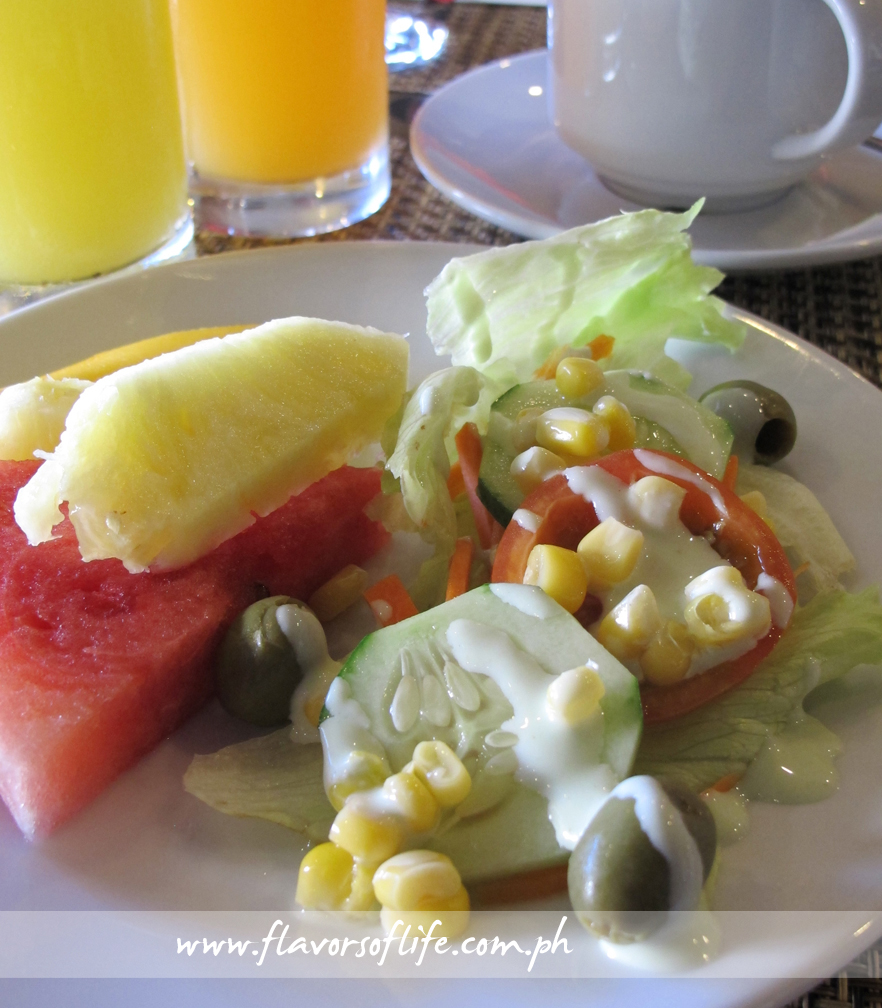
Fresh fruits and a salad bar form part of the breakfast buffet spread at Lamian
My breakfast platter of crispy danggit, squid and dilis, roasted tomatoes, fried egg and garlic rice
Breakfast, for resort guests, is buffet at Lamian, while Marea offers an a la carte menu with a wide selection of delectable plated dishes prepared by the kitchen staff led by Executive Chef Martin Przewodnik and served in generous portions. Lechon Kawali (crispy fried pork belly served with steamed rice and pickled green papaya) and Barbecued Back Ribs (marinated pork backribs in barbecue sauce, served with steamed rice and pickled vegetables) are crowd favorites, although there are a lot of other Filipino, Western and Chinese inspired dishes that just might also tickle your fancy.
For dinner at Marea, you can also opt to choose your fresh seafood – including lapu-lapu, crabs, squid and shellfish – at the Catch of the Day seafood display right by the entrance to the restaurant and have it weighed and cooked the way you want. Some of the seafood choices are so fresh that they’re still alive, such as the crabs. Bohol, which has lots of mangroves, is known for crabs, and dining on a fresh crab dish is something you should not miss when in Bohol.
Upon prior arrangement and with a pre-ordered menu, The Bellevue Resort Bohol can also create special dining experiences, such as a romantic dinner for two by the beach as well as gala dinners.
OTHER AMENITIES
While the infinity pool and the beach beckon to guests, The Bellevue Resort boasts of many other attractions that are sure to keep guests happily busy and pleasurably pampered. The whole basement level of the al fresco native pavilion that houses Marea Restaurant on the ground floor has been devoted to this purpose.
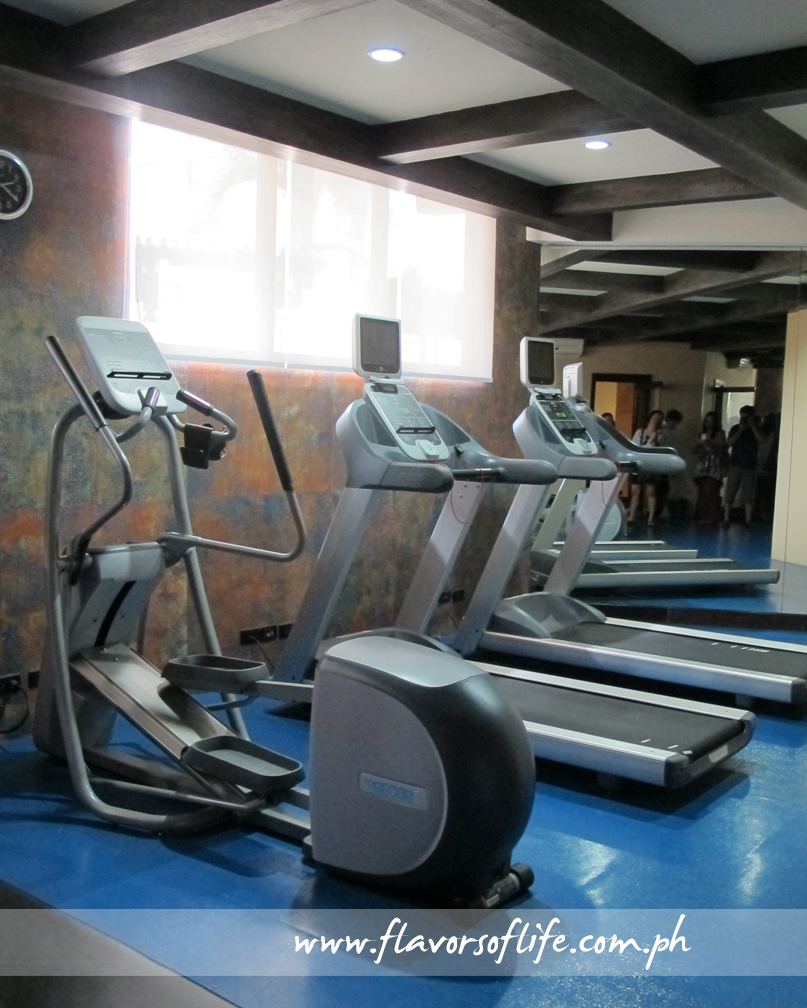
The fully-equipped gym
The Gym is equipped with treadmills and the latest fitness equipment for the health- and fitness-conscious who must squeeze some physical activity into their vacation.
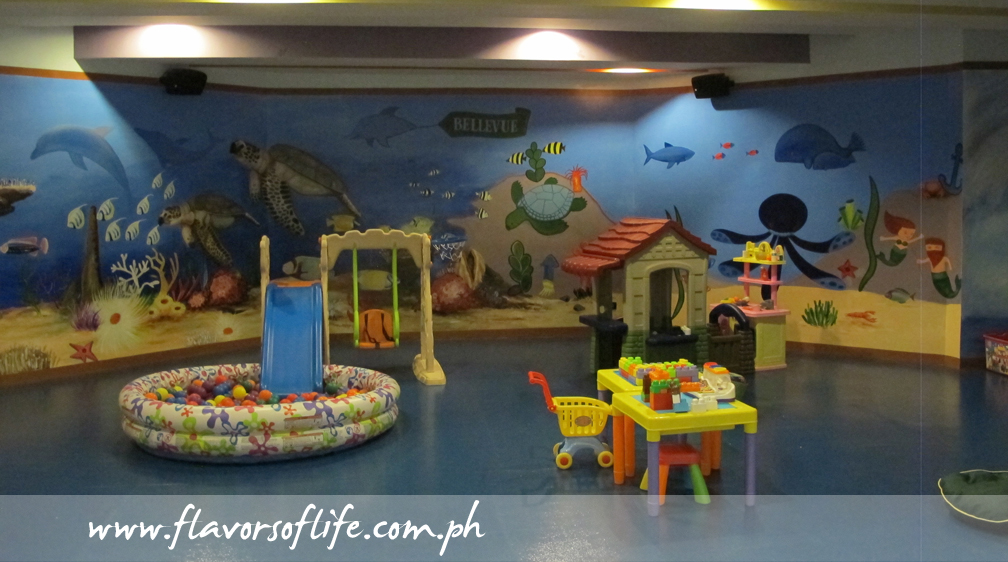
The game area for kids
The computer games station in the Game Room
The adjacent Game Area defines fun and games for both children and adults. Besides the spacious play area for kids, the Game Area has computer stations for computer games, digitized basketball shooting booths commonly found in amusement centers in malls, simulation driving machines, table hockey and table tennis.
Azurea Spa
As for Azurea Spa, well, it offers different massage options that pamper and rejuvenate tired bodies and soothe the soul.
For a resort hotel that has thought of everything that can make its guests’ stay more enjoyable and satisfying, The Bellevue Resort Bohol beckons with unmistakable fervor.
(The Bellevue Resort Bohol is located at Barangay Doljo, Panglao Island, Bohol 6340; with telephone numbers 771-8181 (Manila) and(633 422-2222 (Visayas).)
An Executive Room at Crimson Hotel Filinvest City Manila
ALABANG is far from where I live. Even from my place of work, which is Makati, it still takes some time and effort to get to Alabang. But I recognize Alabang as a developing commercial and business district that can, in due time, rival those in Makati and Ortigas Center. This early, it is already showing its promise as a luxurious, upper class community and its unique character not just as a commercial and business district but also as a leisure capital this side of the metro.
Yes, leisure! As much as it is a pleasure to hold corporate meetings and close business deals in any of Alabang’s five-star hotels, it is also most relaxing and enjoyable to curl up in bed in an air-conditioned hotel room while watching your favorite show on cable TV or, perhaps, dining on exquisite a la carte entrées prepared by multi-awarded chefs in an elegant restaurant with a cozy atmosphere. It’s the good life that Alabang represents.
The fountain area at the lobby of Crimson Hotel Alabang
Details that make the lobby more interesting and elegant looking
Just recently, my husband Raff and I got to enjoy a staycation at Crimson Hotel Filinvest City Manila. It’s one of the two hotels under FilArchipelago Hospitality Inc., the hospitality management company of the Filinvest Group. The other one is Crimson Resort and Spa Mactan, which is a sprawling 6-hectare beach resort and spa located in Mactan Island, Cebu. Soon, there will be a third property in Boracay to be called Crimson Resort and Spa Boracay, a 192-room resort property located in Barangay Yapak, Boracay Island, targeted for a 2017 opening.
Crimson Hotel Filinvest City Manila, sometimes referred to as simply Crimson Hotel Alabang, is an ideal venue for a staycation because it’s conveniently located in the heart of Alabang, Muntinlupa, specifically in Filinvest City. It’s not too far from Metro Manila, and yet it’s far enough to afford you some precious privacy and distance from work and the rest of the world. Being within a metro center, it is just a stone’s throw away from shopping malls, such as Festival Supermall Alabang, so it offers a unique live-work-shop-play kind of lifestyle in a seamless way. Golf courses and theme parks, for those interested in them, are also just a short drive away.
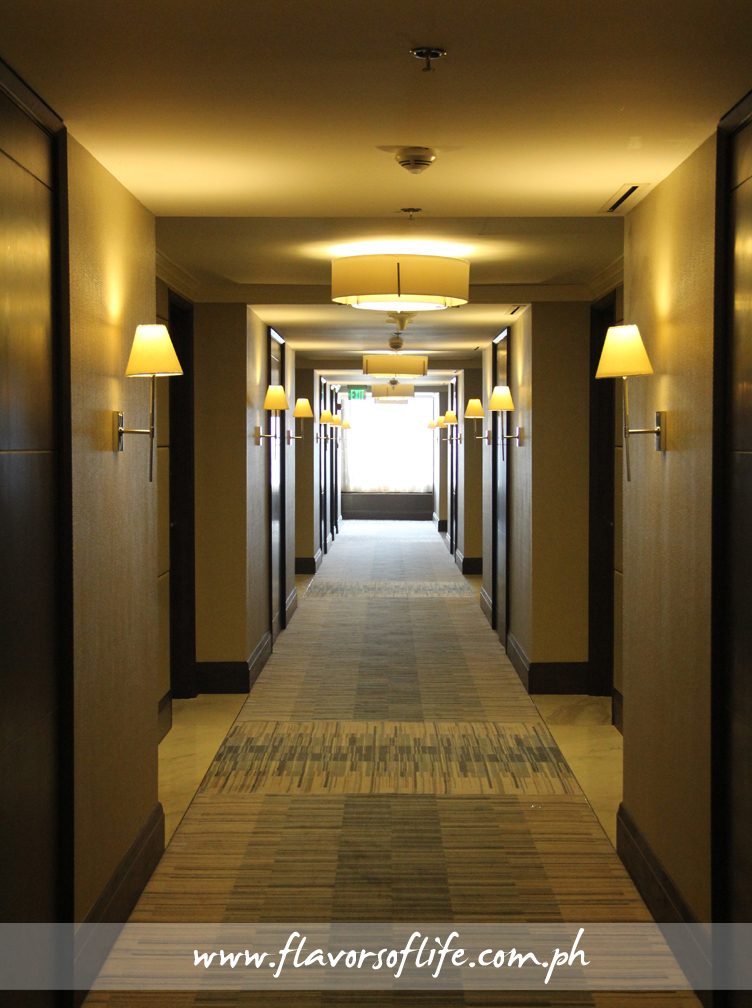
A cozy corridor leads to the guestrooms on every floor
The bed area of a specious Executive Room
The receiving area of the Executive Room with a picturesque view of the Alabang cityscape at the back
The work station in the room
The five-star hotel boasts of 345 guestrooms, including 20 Suites (one Presidential Suite, five 2-Bedroom Suites and 14 1-Bedroom Suites), 34 Executive Rooms, 82 Premier Deluxe Rooms and 209 Deluxe Rooms, all stylishly designed with guests’ utmost comfort in mind.
Those who are seeking premium amenities can stay in the Executive Rooms and Suites, since an Executive Lounge on the 28th Floor is offered exclusively for guests staying in Executive Rooms and Suites. Thus, they can go to the lounge and enjoy not just its breathtaking view of the Filinvest cityscape below but also enjoy its comfortable work spaces while sipping coffee or tea and enjoying a bite or two at any time of the day.
It’s important to note that each guestroom has custom-designed interiors meant to give guests a more comfortable sleep experience and is equipped with amenities adhering to international standards, including free high-speed WiFi connection, cable channels on a 40-inch LED TV with DVD player, and, get this, an energy recovery ventilation (ERV) system for better indoor air quality. The Executive Room where Raff and I stayed, for instance, was a spacious corner unit with a layout that deviated from the usual layout of a hotel room. The most notable difference was the location of the toilet/bath. Instead of the usual location right by the door entrance, opposite to the closet, the toilet/bath was right in the end, to the left of the picturesque windows, where the receiving area was located.
Everything I look for in a hotel is there – coffee and tea making facilities, electronic safe in the closet, hair dryer, iron and ironing board, complimentary bottled water, a just-right cold temperature setting for the central air-conditioning… I was impressed and satisfied, so that I slept well that evening after working on some articles on my laptop.
Café Eight is Crimson Hotel Alabang’s all-day dining restaurant
You can assemble your own bowl of congee from the breakfast buffet
My breakfast platter of Button Mushrooms al Ajillo, Mushroom, Tomato and Cheese Omelette, Fish Fillet and Country Fried Chicken with Béchamel Sauce, with Garlic Rice
Hot, steaming Asado Siopao…
Then came Raff’s favorite part of every staycation: the buffet breakfast the morning after. We went down to the eighth floor (yes, that’s where the lobby, the reception counter, the concierge and Café Eight, the hotel’s all-day dining facility, are located) at around 8:30 a.m. and got to enjoy the breakfast buffet spread that offered everything from breads and pastries to appetizers, salads, cereals, fruit juices and milk, an egg station, congee, noodle soup, pancakes and waffles, hot dishes on chafing dishes, rice, fresh fruit slices and desserts. We had a group interview with the chefs that morning, so we had to speed up breakfast action, but on an ordinary day, without a scheduled interview, you should be able to enjoy breakfast at a more leisurely pace and savor every spoonful a little bit more.
And, oh, just in case you’re wondering if Crimson Hotel Alabang has a swimming pool and a fitness center, yes, it does, and guests are entitled to free use of both. It’s also hassle-free when it comes to parking because it has two spacious floors dedicated to guests’ parking needs. From the parking floors, you just take the elevator up to the eighth floor, where the main action is, to check in. That’s also where you check out afterwards. In case you’re being dropped off by your driver at the ground floor, just take the elevator up to the eighth floor, and you’ll be fine.
(Crimson Hotel Filinvest City Manila is located at the Entrata Urban Complex, 2609 Civic Drive, Filinvest City Alabang, Muntinlupa City 1781, with telephone number 863-2222.)
IT’S Good Friday (April 18, 2014), and tomorrow (April 19) is also still a meatless fasting day that the Christian world observes every Holy Week. It’s our form of penance for the forgiveness of our sins and our way of thanking God for the great sacrifice that He has made to save mankind from eternal destruction.
If you’re running out of meatless recipes to try cook for the Holy Week, try this Vegetarian Delight on Noodle Nest recipe, which is from the Pinoy Vegetarian Cookbook that I authored with my elder sister Susana Dy some two years ago. For more guilt-free recipes that can also be beneficial to your health and help you along with your diet, get a copy of the book, which is still available at National Book Store and Powerbooks branches at Php195 per copy.
THE NOODLE NEST:
200 grams miki noodles
1/3 cup cornstarch
oil for deep-frying
THE VEGETARIAN DELIGHT:
1 tbsp. shredded ginger
6 pcs. vegi meatballs, halved
1/2 cup straw mushrooms
1/2 cup button mushrooms
2 pcs. shiitake mushrooms, sliced
1/2 pc. carrots, cubed and boiled
8 pcs. broccoli florets, boiled
8 pcs. quail eggs, boiled
1/2 pc. green or red bell pepper, cubed
THE SEASONING SAUCE:
1 tbsp. vegi mushroom oyster sauce
1 tbsp. liquid seasoning
¼ cup water
salt and pepper to taste
pinch of sugar
1 tbsp. rice wine
TO FINISH:
1 tbsp. cornstarch
2 tbsps. water
1 egg white
sesame oil
1. Prepare the noodle nest. Boil miki noodles in a pot of water with a tbsp, of oil. When done, remove noodles and drain off excess water. Let cool. Sprinkle with cornstarch and mix well. To make the nest, dip in the oil to be used for deep-frying. Remove and line with the cooked miki noodles. Dip a slightly smaller strainer in the oil and top over the noodles to hold the noodles down and in place while deep-frying. Deep-fry in the hot oil until golden brown. Remove and drain off excess oil on paper towel.
2. Stir-fry shredded ginger in a little oil. Add vegi meatballs, mushrooms, carrots, broccoli, quail eggs and bell pepper.
3. Combine ingredients for the seasoning sauce in a bowl and add to the stir-fried mixture. Adjust seasoning.
4. Dilute cornstarch in water and gradually add to the mixture to thicken it.
5. Stir in beaten egg white and sprinkle with a little sesame oil.
6. Arrange noodle nest on platter, and scoop mixture into it. Serve.
• Tip: Taro or potato may be used in place of miki noodles for the nest. Use 1 kg. julienned potato or taro+ 1/3 to 1/2 cup cornstarch. Follow the same procedure.
THE Dalahican Port of Lucena City is at its busiest once again, as all roads – I mean, all ro-ros (roll on, roll off ships) and fastcrafts – lead to the Southern Tagalog island province of Marinduque this Holy Week. Marinduqueños and non-Marinduqueños alike cram the seacrafts to get to the heart-shaped island province that geographically sits right in the heart of the Philippines, to take part in the annual Moriones Festival.
I’ve witnessed the festival quite a few times, when my husband Raff and I went home to Sta. Cruz, Marinduque, in the past during Holy Week break to visit his elder brothers and their families and spend some bonding time with them and their relatives and friends over a short vacation. Raff, who hails from there, is proud of his roots and likes to go home whenever there was an opportunity to. Although we’re staying put in Manila this Holy Week, I can imagine what it must be like in Marinduque at this time of the year.
The Moriones Festival is an annual festival that takes place during Holy Week. It is a colorful festival, as participants are garbed in costumes and masks typical of Roman soldiers during Biblical times. It follows the story of the Roman centurion Longinus, who was blind on one eye, who pierced the side of the crucified Christ. The blood that spurted out of Christ’s side hit his blind eye and fully restored his sight. The miracle converted Longinus to Christianity, as he ran around town proclaiming that Jesus was indeed the Son of God.
The Moriones Festival of Marinduque, which lasts for a week, beginning on Holy Monday and ending on Easter Sunday, has costumed and masked Roman soldiers marching around town every day “searching” for Longinus. The “search” culminates in what is called the Pugutan, which is the capture of Longinus, who is scorned by his fellow Roman soldiers for turning into a believer of Christ, and his beheading. The Pugutan, which is the culminating activity, takes place on Easter Sunday. This Pugutan, however, is not a sad ending to the conversion of Longinus to Christianity. The folk-religious festival ends on a positive note — that after Longinus had fulfilled his mission of spreading the word about the Risen Christ, he courageously accepts his fate and faces death through beheading, knowing fully well that he has found his salvation.
Holy Week activities in Marinduque also includes the unique tradition of the Pabasa, or the musical recitation of Christ’s passion in verses; the Via Crucis, a reenactment of the suffering of Christ on His way to Calvary, with some participants carrying a heavy wooden cross and others inflicting pain on themselves as an act of atonement for their sins; and a Grand Procession of religious images around town on Good Friday.
The Grand Procession of religious images on Good Friday
The Moriones Festival traces its roots to the town of Mogpog in Marinduque in the year 1870, when the parish priest of the said town, Fr. Dionisio Santiago, took the story of Longinus from the Bible (John 19:34) and developed it into a play depicting the Passion and Resurrection of Jesus Christ. The priest turned it into a Lenten religious activity, and it became such a popular tradition that all towns in Marinduque – Boac, Sta. Cruz, Gasan, Buenavista, Torrijos and, of course, Mogpog – took after it.
The word ‘Morion’ means ‘mask’ or ‘visor’, which is exactly what the Moriones Festival participants wear. The masks, which extend into an elaborate helmet-type headdress, bear a fierce look. These, plus the Roman centurion costumes, have through the years transformed from crudely carved wood and papier-mâché to elegant looking ones made of modern materials by the townsfolks themselves. Wearing the costumes and masks cum headdress is a form of penitence in itself because it’s hot and stifling, and the masks only provide two small holes for vision.
So if you’re looking for a place to visit this Holy Week, one where you can relax and enjoy the sites and the local food and still get to participate in a Lenten religious activity, Marinduque is the perfect place for you.
HOW TO GET THERE:
From Manila, simply take a bus bound for Lucena, preferably one that says Dalahican Port so that it goes straight to the port and all you have to do is purchase a ticket for a ro-ro or fastcraft ride bound for Marinduque – Balanacan Port in Mogpog or Cawit Port in Boac, depending on which town you decide to have as your homebase for the duration of your stay in the Southern Tagalog province. Boac is the capital of Marinduque, and Cawit Port is the gateway to Boac, Gasan and Buenavista. Balanacan Port is the gateway to Mogpog, Sta. Cruz and Torrijos. When you get to the port in Marinduque, there will be jeepneys and UV Express vans waiting to take you to your final destination. Should you prefer to bring your car, you can do so by boarding a ro-ro.