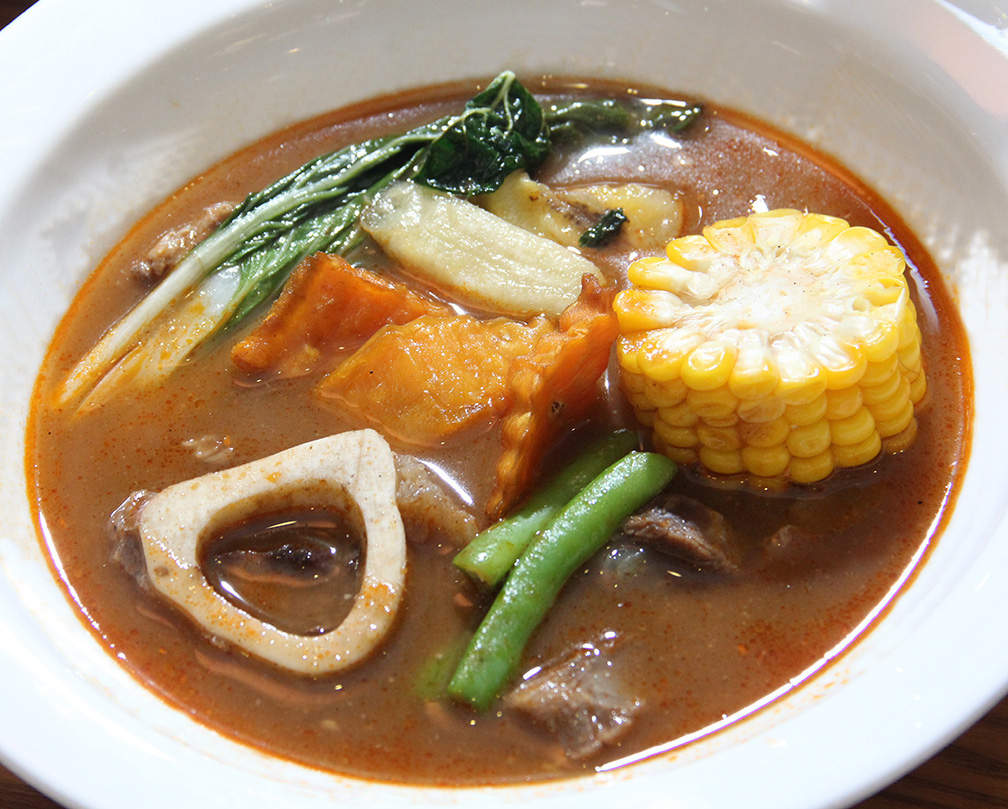
WE FILIPINOS must have rice in every meal. It’s what gives us a feeling of fullness and satiety. Unfortunately, due to modern developments, a lot of arable land have been sacrificed in favor of subdivisions and commercial complexes. The calamities that have hit the country in recent years have also adversely affected agricultural yields, especially when it comes to rice, and whatever efforts we have put in to try to effect growth in rice production to meet the growing demand for this staple crop have not been enough. So, from being a rice exporter, producing more rice than what the country actually needs, the Philippines has become one of the world’s largest rice importers since 2010.
Corn production and supply, on the other hand, have remained steady. Corn is, after all, a more resilient crop that requires less water to produce. Truth to tell: The moisture in the soil after harvesting rice is actually enough to grow corn. Owing to this, mais na bugas is being produced and consumed as a rice alternative in many parts of the country, particularly in Mindanao and the Visayas. There is a problem, though. Because mais na bugas is produced basically via small-scale operations, the corn is usually dried by the roadside after harvest. This manner of drying puts in danger, as it leads to a high moisture content in the dried corn and makes it susceptible to aflatoxin, a fungus that can hamper growth in children and cause liver dysfunction in adults.
Enter Philippine Leading Infinite Logistics Inc. (PLILI), whose mother company La Filipina Uy Gongco Corporation manufactures Amigo Segurado pasta and sauces and La Filipina canned goods, runs two flour mills, makes feeds, and has its own piggeries where hogs raised are slaughtered and made into La Filipina Corned Pork, owns and operates state-of-the-art corn-drying facilities in Isabela that dries corn safely. These corn-drying facilities utilize air-drying of corn that keep moisture in the corn low and aflatoxin-free.


With such facilities on hand, Jebe Gayanelo, president of PLILI, thought of producing corn rice. This means not just mais na bugas, which others might find difficult to eat because the corn kernels are too big, but rice-shaped corn rice that can be cooked like regular rice and tastes just like regular rice, too. The company invested on another piece of equipment that can “carve” a rice kernel from the endosperm of a corn kernel (the rest of the corn kernel goes to feeds) to make corn rice and, successful with its attempt, launched RiCo Corn Rice in the local market recently.

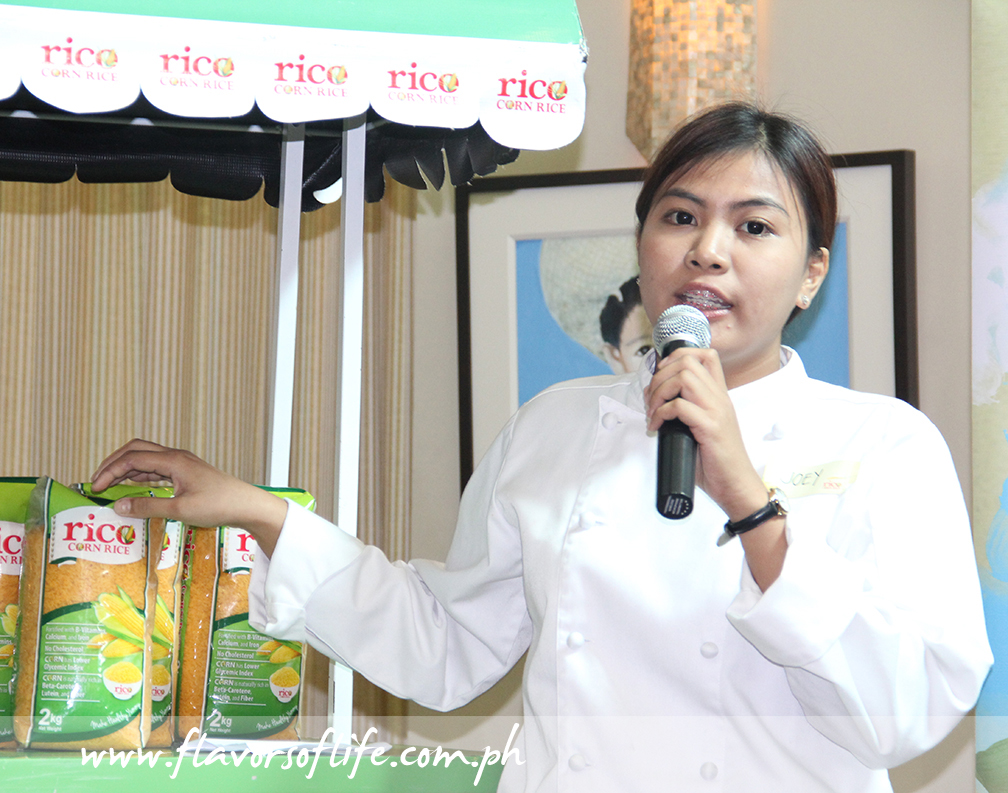

RiCo Corn Rice, which take on the natural yellow color of the corn from which it was made, was launched over lunch at Chef Jessie Rockwell Club, where product manager Carissa Cristobal talked about the health benefits of eating corn rice (no cholesterol, low glycemic index of GI which is ideal even for diabetics, naturally rich in beta-carotene, lutein and fiber, and fortified with B vitamins, calcium, iron and iodine); PLILI’s in-house chef Joey dela Cruz demonstrated the three easy steps of cooking RiCo Corn Rice (boil the suggested amount of water in a rice cooker or kaldero, pour unwashed RiCo Corn Rice into the boiling water, and simmer for 10 to 15 minutes); and Chef Jessie prepared a four-course meal using RiCo Corn Rice.
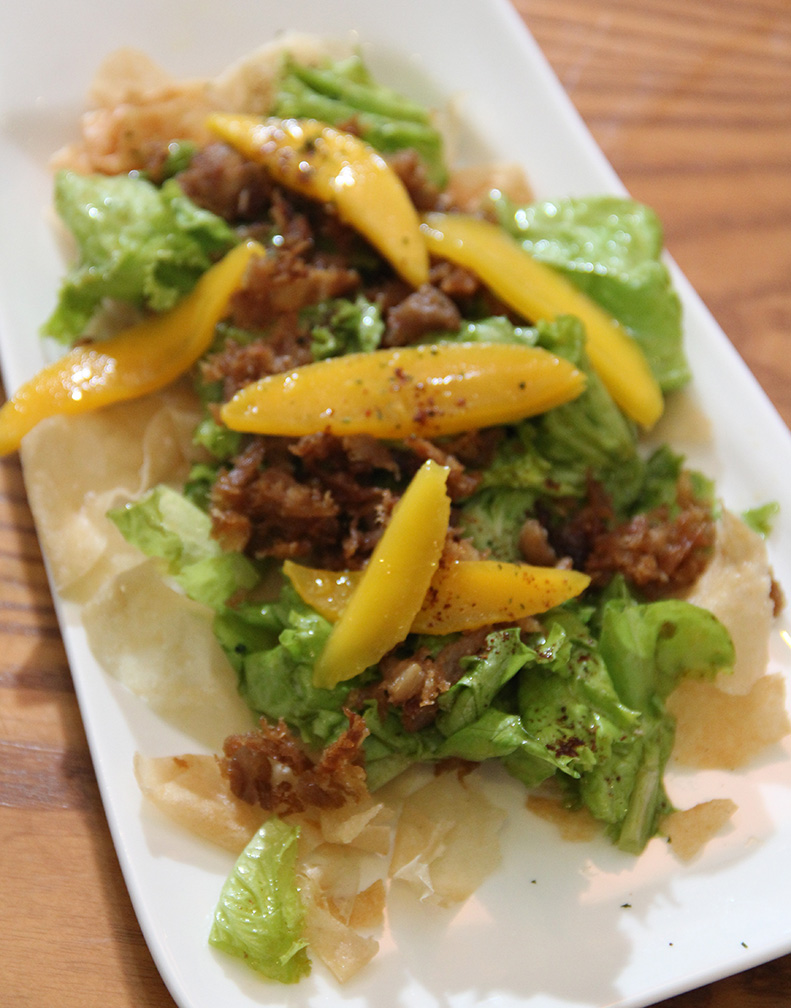
Chef Jessie had Mesclun Greens Salad in Raspberry Vinaigrette Dressing with Prawn Corn Rice Pops, where she boiled RiCo Corn Rice, let it cool and then used some as coating for the prawns and fried the rest to make popped rice that she sprinkled all over the salad.
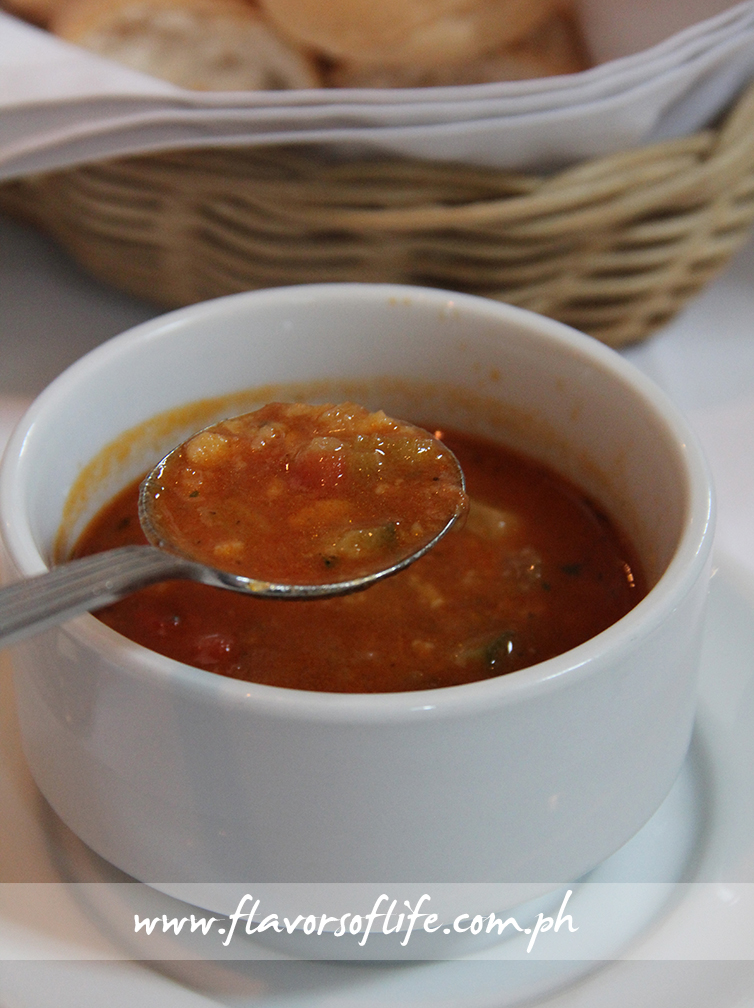
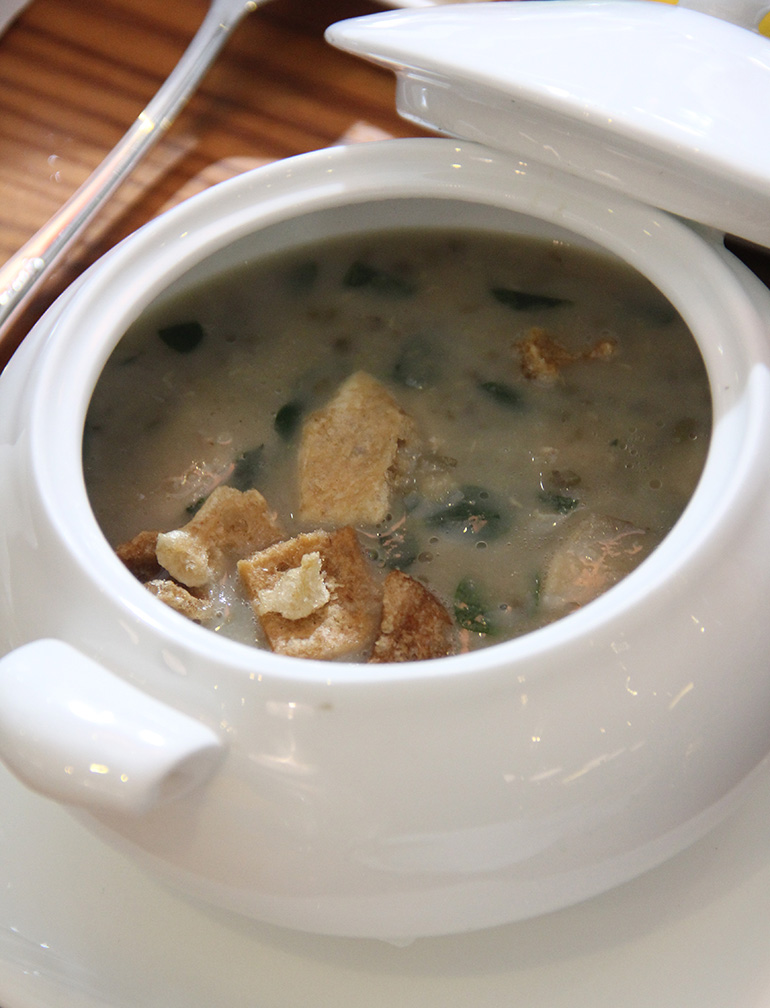
Then came the soup, Minestrone with Corn Rice, which was a flavorful rendition of the classic soup made more interesting with the addition of corn rice.
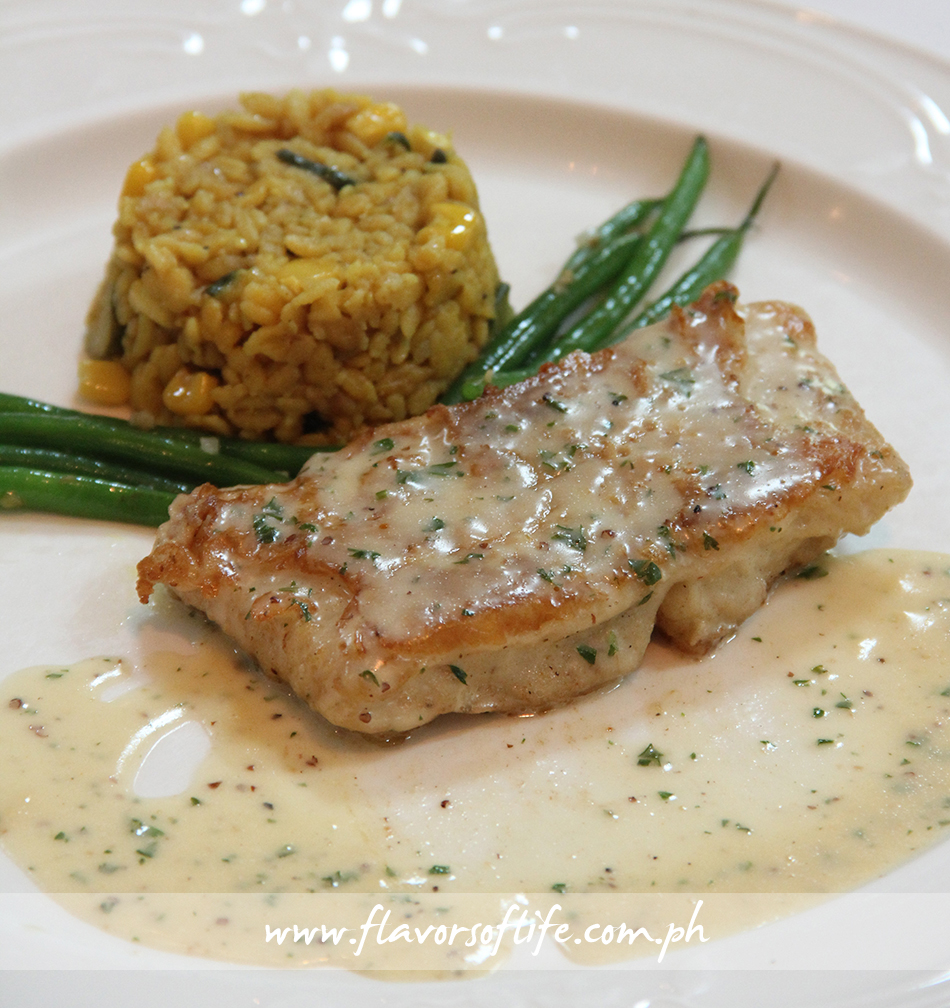
The two main course choices were Pan-fried Codfish Fillet in Pommery Mustard Sauce and Grilled Chicken Breast in Creamy Pepper Sauce. Both dishes were served with sautéed French beans and Corn Rice Pilaf. The Corn Rice Pilaf was particularly interesting, since it was RiCo Corn Rice cooked with actual corn kernels for texture and character.
The meal ended with a dessert of Corn Rice Crocant Roll. Beautifully plated, Chef Jessie had “painted” corn on the cob complete with the skin and then topped the Crocant Roll on top.
RiCo Corn Rice is available in 1kg., 2kg. and 5kg. packs at SM Supermarket, SM Hypermarket, Rustan’s Supermarket, Walter Mart Supermarket, Robinsons Supermarket, Ever Supermarket, Landmark Supermarket, Sta. Lucia East Supermarket, Pioneer Centre Supermart, Hi-Top Supermart, Cherry Foodarama, South Supermarket, NCCC Supermarket, Gaisano Mall and other leading supermarkets nationwide.